



Commercial Roof Repair in Carlsbad, NM
Swift, quality commercial roof repair in Carlsbad to tackle leaks and damage, ensuring minimal downtime. Contact us for protective restoration solutions.
Is Compromised Roofing Threatening Your Commercial Operations?
Facing unexpected leaks or wear from Carlsbad's harsh climate can halt production and damage inventory instantly. Our commercial roof repair services are designed to rapidly restore your facility, ensuring robust protection against both intense desert heat and heavy seasonal rainfalls. Contact us or inquire about our financing options immediately to secure your property.
We understand that in a commercial setting, time is money. A compromised roof is not just a structural issue; it is a liability that threatens your employees, your equipment, and your bottom line. Whether you are dealing with storm damage from high spring winds or membrane failure due to thermal shock, effective intervention is required to prevent total system failure:
- Quick and reliable service appointments available to minimize downtime.
- Comprehensive solutions ranging from minor leak patching to extensive membrane restoration.
- High-quality materials specifically selected to withstand the distinct climatic challenges of the region.
Rest assured, all repairs are backed by industry-leading warranties and proper licensing for complete peace of mind. Design Roof Services LLC is prepared to handle the complexities of your commercial infrastructure today.
Commercial Roof Repair Services Available Today
When you request service for a commercial property, the goal is to address the immediate point of failure while assessing the overall health of the roofing system. Commercial roofs differ significantly from residential structures in terms of materials, drainage requirements, and load-bearing capacities. The scope of repair services covers a wide array of common and complex issues found in flat and low-slope roofing systems.
One of the most frequent issues addressed is membrane damage on TPO, EPDM, and PVC roofs. Over time, UV radiation and heat exposure can cause these single-ply membranes to shrink, crack, or pull away from parapet walls. Repair services involve heat-welding patches over punctures, resealing seams that have delaminated, and replacing sections of the membrane that have become brittle. This process restores the waterproof integrity of the building without requiring a full tear-off.
Another critical service area involves flashing and penetration repairs. Commercial roofs are often crowded with HVAC units, vents, skylights, and piping. The metal flashing around these penetrations is the most vulnerable point for water entry. Differential movement between the roof deck and these units can tear the flashing seals. Repair technicians remove damaged caulk and rusted metal, installing new, heavy-gauge flashing and counter-flashing to create a watertight seal that accommodates building movement.
Drainage correction is also a vital component of repair services. Standing water, or "ponding," is a major threat to flat roofs. If water remains on the roof for more than 48 hours, it accelerates material degradation and adds immense weight to the structure. Services include clearing clogged scuppers and internal drains, installing crickets (diverters) to improve water flow, and repairing tapered insulation systems that may have compressed over time, creating low spots.
- TPO and PVC Welding: utilizing hot-air welding to bond patches and seams for a monolithic barrier.
- Built-Up Roof (BUR) Restoration: applying layers of bitumen and aggregate to resurface aging asphalt roofs.
- Metal Roof Coating and Sealing: tightening fasteners, replacing washers, and applying elastomeric coatings to stop rust and leaks.
- Spray Polyurethane Foam (SPF) Repairs: removing saturated foam and reapplying new insulation to restore thermal efficiency and waterproofing.
The Commercial Repair Process: From Inspection to Restoration
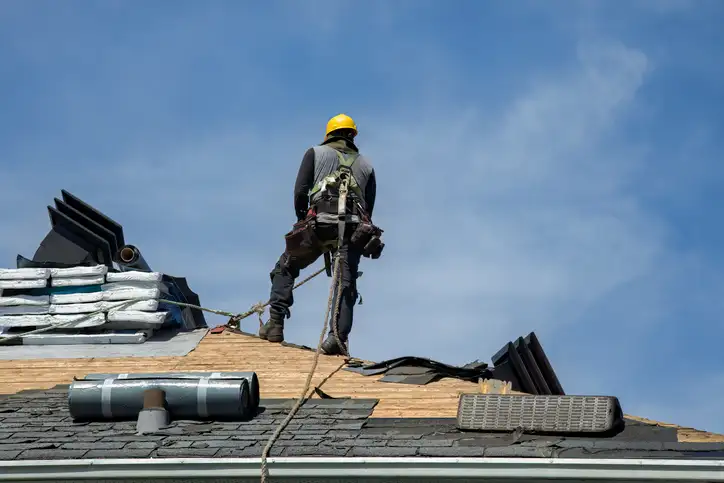
Understanding how a professional repair team operates helps facility managers prepare for the work and ensures internal operations continue smoothly. The process is systematic, prioritizing safety and diagnostic accuracy before any material is applied. This structured approach prevents "band-aid" fixes that fail after the next storm.
Initial Assessment and Leak Detection:
- The process begins with a thorough walk-through of the roof surface. Technicians look for visible signs of damage such as blisters, cracks, open seams, and debris accumulation.
- Moisture scanning technology, such as infrared thermography, may be used to identify trapped water beneath the membrane. This step is crucial for defining the exact boundaries of the damage, ensuring that repairs extend far enough to cover all compromised areas.
Proposal and Scope Definition:
- Once the damage is mapped, a detailed proposal is generated. This document outlines the specific repair methods, materials to be used, and the estimated timeline.
- This stage also involves coordinating with the facility manager regarding logistics, such as where materials will be staged, parking for service vehicles, and any necessary interior access.
Site Preparation and Safety Setup:
- Before work begins, the crew establishes safety perimeters and fall protection systems in compliance with OSHA regulations.
- The repair area is cleaned thoroughly. Dirt, algae, and loose gravel must be removed to ensure that new patches and sealants bond correctly to the existing substrate.
Execution of Repairs:
- Technicians cut out and remove wet insulation and damaged membrane materials.
- New, dry insulation is installed to match the thermal value of the existing roof.
- The waterproofing layer, whether it is a single-ply membrane, modified bitumen, or liquid coating, is applied using the appropriate adhesion method (mechanical fastening, bonding adhesive, or heat welding).
Quality Assurance and Cleanup:
- The final step involves probing seams and inspecting the repair work to ensure it meets quality standards.
- All debris is removed from the roof and the job site.
- A final report is often provided, detailing the work performed and offering recommendations for future maintenance.
Assessing the Damage: When to Repair vs. When to Replace
Making the financial decision between repairing a commercial roof and authorizing a full replacement is a significant responsibility. While repairs are cost-effective for isolated issues, there comes a tipping point where continuing to patch a failing system becomes a drain on resources. Knowing the specific criteria for this decision helps in forecasting budgets and capital expenditures.
When to Choose Repair:
Repairs are the optimal choice when the roof system is relatively new and the problems are localized. If the roof is less than 15 years old and has been generally well-maintained, a repair can extend its service life significantly.
- Localized Damage: If the damaged area covers less than 25% of the total roof surface, repair is usually the most logical path.
- Intact Insulation: If the underlying insulation is dry and the deck is structurally sound, surface-level repairs are sufficient.
- Human Error: If damage was caused by a specific event, such as a dropped tool by an HVAC technician or wind-blown debris, and not by general aging, a repair will restore integrity.
When to Choose Replacement:
Replacement becomes necessary when the roofing system has reached the end of its lifecycle or when the underlying structure is compromised.
- Saturated Substrate: If moisture scans reveal that a large percentage of the insulation is wet, repairs will not hold. Trapped moisture boils in the heat, causing blisters and delamination of new patches.
- Exceeding Lifespan: Most commercial roofs have a lifespan of 20 to 30 years. If the roof is past this age and leaks are appearing in random locations frequently, the membrane has likely become brittle and porous. Design Roof Services LLC can provide a core analysis to determine the remaining viability of the material.
- Cost Ratio: As a general rule, if the cost of necessary repairs approaches 30-50% of the cost of a new roof, replacement offers better long-term value due to new warranties and energy savings.
Navigating Carlsbad’s Climate, Codes, and Permits
Operating in Carlsbad, NM requires a roofing strategy that specifically addresses the local environment. The high desert climate presents a unique set of stressors that commercial roofs must endure. Understanding these factors is essential for ensuring that any repair work lasts:
- Handling Thermal Shock: Summer temperatures in the region frequently soar into the 90s and low 100s, while nights can cool down significantly. This rapid fluctuation causes "thermal shock," where roofing materials expand and contract dramatically within a 24-hour cycle. Metal flashings and roof membranes move at different rates, putting immense stress on seams and fasteners. Repair materials must possess high elasticity and elongation properties to accommodate this movement without cracking.
- Wind Uplift and Dust: Spring in Carlsbad brings high winds that can tear at the perimeter of a commercial roof. The edges and corners are subject to the highest wind uplift pressures. Repairs often involve reinforcing perimeter securement with additional fasteners or termination bars. Furthermore, wind-blown dust and sand can accumulate on the roof, acting as an abrasive that wears down coatings and clogs drainage systems. Regular cleaning and abrasion-resistant coatings are often recommended.
- Seasonal Rains and Drainage: While the climate is generally dry, late summer monsoons can dump significant amounts of water in a short period. Flat roofs must have efficient, clear drainage paths. If the roof structure has settled, water may pond in areas away from drains. In Carlsbad, ensuring that scuppers are sized correctly and that overflow drains are functional is a critical part of the repair process to handle these sudden deluges.
- Permitting and Compliance: Commercial roof repairs often trigger local building code requirements. In Carlsbad and the surrounding Eddy County, structural repairs or work exceeding a certain square footage may require a building permit. This ensures that the work complies with current energy codes (IECC) and fire safety standards. Professional contractors handle the submission of drawings and permit applications, ensuring that your facility remains compliant and avoiding potential fines or insurance issues.
- HVAC and Utility Coordination: Commercial rooftops in the area are often the location for heavy HVAC machinery. Repairing the roof around these units requires careful coordination to avoid disrupting climate control inside the building. Technicians must work around gas lines, electrical conduits, and condensate lines, requiring specialized knowledge of utility safety on the roof deck.
Why Operational Continuity Matters in Commercial Roofing
The roof is the first line of defense for your business assets. A failure here impacts everything below it, from electrical systems to inventory storage. Choosing a service provider that prioritizes operational continuity means selecting a team that works efficiently, safely, and correctly.
Effective commercial roofing service goes beyond stopping water; it improves the energy efficiency of the building. Reflective roof coatings can lower cooling costs during the hot summer months, reducing the load on HVAC systems. Additionally, a well-maintained roof contributes to the structural longevity of the entire building, preserving real estate value.
You need a partner who understands the specific demands of the local commercial sector. This includes the ability to mobilize quickly for emergency repairs, the financial stability to handle large-scale projects, and the technical expertise to diagnose complex water intrusion issues accurately. The focus is always on delivering a result that allows you to return to business as usual without the lingering worry of overhead hazards.
Secure Your Commercial Infrastructure
Ignoring minor roofing issues inevitably leads to major structural expenditures. Whether your building requires immediate leak intervention, preventative maintenance, or a comprehensive assessment of storm damage, taking action now prevents costly disruptions later.
Design Roof Services LLC delivers the expertise and reliability required to protect your commercial investment against the elements. Ensure your facility remains watertight, compliant, and efficient.
Contact us today to schedule your commercial roof inspection and secure the longevity of your business.

Customer Testimonials
Go With Experience