




Stop Leaks and Water Damage at the Source
Water intrusion often starts at the joints of your roofing system, specifically where flashing has failed, rusted away, or pulled loose. If you notice signs of leakage, water stains on ceilings, or visible damage to your roof's metal edges in Tatum, Contact us immediately to schedule a comprehensive inspection and repair. Flashing acts as the final line of defense against the elements, and ignoring compromised metalwork inevitably leads to expensive structural rot and mold remediation.
- Secure same-day assessment and rapid flashing repair to prevent structural rot.
- Access affordable, high-quality materials including aluminum, copper, and galvanized steel tailored to your specific roof type.
- Professional installation that meets all Lea County building codes and withstands high desert winds.
All services are fully licensed, strictly adhering to safety standards, and backed by extended workmanship warranties.
Comprehensive Roof Flashing Services Available Now
When you engage a professional service for roof flashing, you are paying for the integrity of your home’s weatherproofing system. Flashing is not merely an accessory; it is a critical component installed at every transition point on your roof. This includes areas where the roof deck meets a vertical wall, around chimneys, surrounding vents, and inside valleys where water runoff is heaviest.
Design Roof Services LLC provides a complete audit of your current roofing system to identify every point of potential failure. The service scope includes the removal of compromised materials, inspection of the underlying wood for rot, and the custom fabrication of new metal flashing to fit the unique angles of your structure. Residents in Tatum can expect a streamlined process that prioritizes sealing the building envelope against moisture before the next weather event occurs.
Services typically include:
- Custom Metal Fabrication: Cutting and bending metal sheets to fit precise angles around dormers and chimneys, ensuring a watertight seal that generic, pre-cut flashing cannot match.
- Step Flashing Installation: Interweaving metal cards with shingles along sidewalls to direct water away from the wall assembly and back onto the roof surface.
- Counter Flashing Application: Installing a second layer of metal embedded into masonry or siding to cover the top edge of step flashing, providing a double barrier against driving rain.
- Drip Edge Replacement: Securing metal strips along the eaves and rakes to guide water into gutters and prevent capillary action from drawing moisture under the shingles.
- Vent and Pipe Boot Sealing: Replacing cracked rubber or plastic boots around plumbing vents with durable metal and neoprene alternatives.
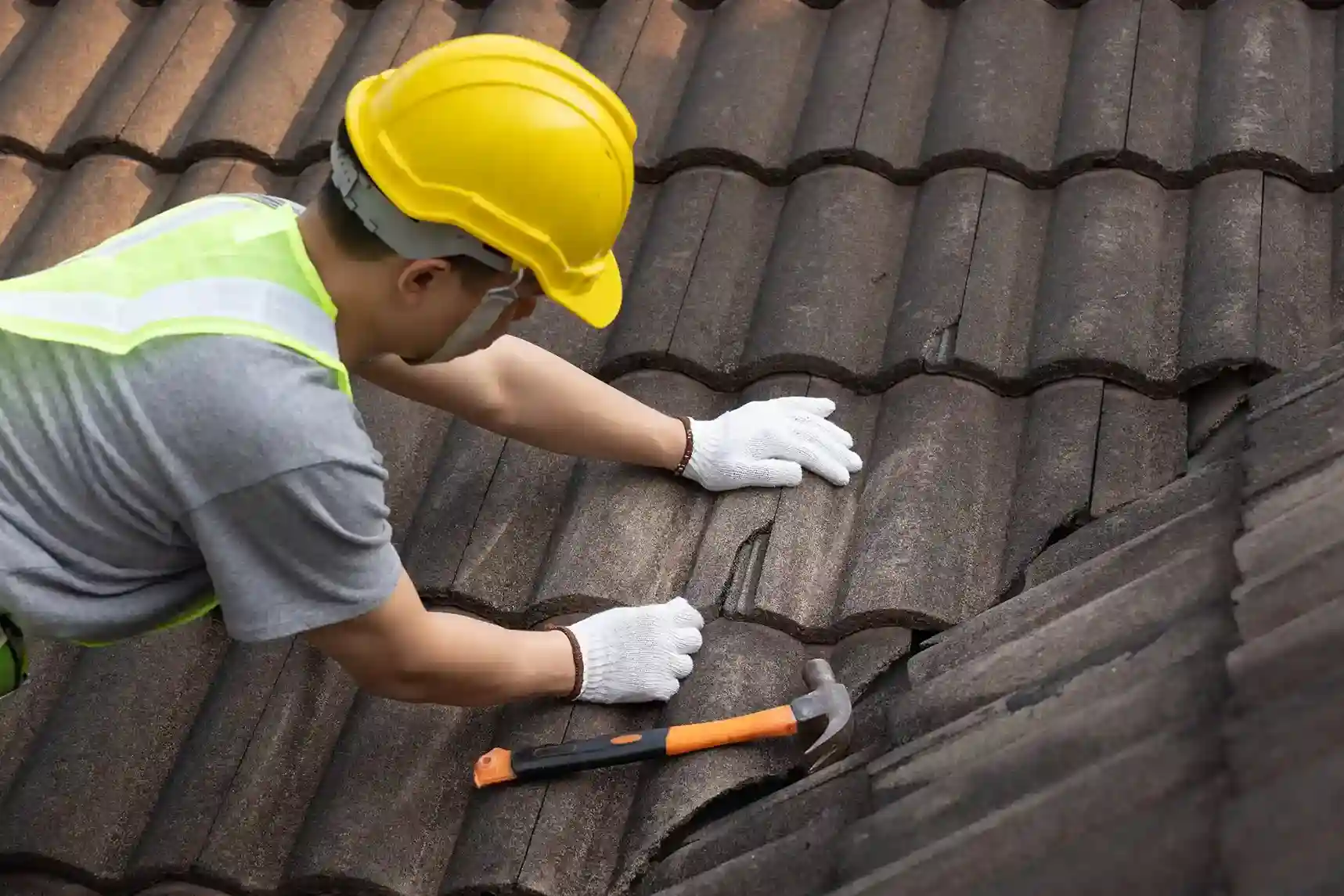
The Installation and Replacement Process
A systematic approach to flashing installation is necessary to guarantee long-term performance. Incorrect installation is the leading cause of roof leaks, often resulting from "reverse lapping," where materials are layered in a way that traps water rather than shedding it.
The process begins with a tear-off of the surrounding roofing material. Technicians carefully remove shingles or tiles adjacent to the flashing area to expose the roof deck. This step is vital because simply caulking over old flashing is a temporary patch that masks deeper issues. Once the deck is exposed, the crew inspects the plywood or OSB sheathing for signs of water damage. If the wood is soft or rotting, it is replaced before any new metal is installed.
Next, a high-quality ice and water shield or waterproof underlayment is applied to the bare deck. This self-sealing membrane provides a secondary layer of protection beneath the metal. The new flashing is then installed. Fasteners are kept to a minimum in exposed areas to reduce potential leak points. When nails are necessary, they are placed high up under the overlap of the shingles or sealed with high-grade roofing cement.
Finally, the surrounding roofing materials are re-installed or replaced. New shingles are integrated with the step flashing, and counter flashing is sealed against the siding or masonry. A final water test or visual inspection confirms that all overlaps are oriented correctly to shed water via gravity.
Critical Areas Requiring Flashing Attention
Different areas of a roof require specific flashing techniques and materials. Understanding these distinctions helps in recognizing why generic repairs often fail.
Chimneys and Skylights
Chimneys and skylights are large penetrations in the roof deck that interrupt the flow of water. Without proper flashing, they act as funnels for rain. Chimney flashing usually involves a two-part system: base flashing (step flashing) at the bottom and counter flashing embedded into the chimney mortar. Skylights often come with integrated flashing kits, but these must be tied correctly into the underlayment. In an area like Tatum, where wind can drive rain sideways, the height and seal of the counter flashing are paramount.
Valleys
Valleys are the V-shaped channels where two roof slopes meet. These areas handle the highest volume of water runoff. Open valleys use a visible metal lining, usually steel or copper, to carry water down the roof. Closed valleys cover the lining with shingles. Metal valley flashing is superior for durability, as it prevents the friction of rushing water from eroding the granule surface of shingles.
Vent Pipes and Exhausts
Every plumbing vent or exhaust fan protruding through the roof requires a boot or flange. These are common failure points because rubber gaskets degrade under UV exposure faster than the rest of the roof. Replacing these with lead or localized metal flashing units extends the lifespan of the penetration seal significantly.
Repair vs. Replacement: Making the Right Decision
Homeowners often struggle to decide between a quick patch and a full flashing replacement. While repairs are cheaper upfront, they are often insufficient for flashing issues.
Replacement is the necessary choice when:
- Rust and Corrosion: If the metal is rusted through, sealants will not bond, and structural integrity is gone. Galvanized steel eventually loses its zinc coating; once red rust appears, the metal must be swapped out.
- Physical Distortion: High winds or thermal expansion can warp metal, pulling it away from the roof deck. Once flashing is bent out of shape, it cannot be hammered back into a perfect seal.
- Re-roofing: If you are replacing the shingles, you should almost always replace the flashing. Reusing old flashing with new shingles compromises the lifespan of the new roof.
- Bitumen/Tar Build-up: If previous repairs involved slathering roofing tar over the flashing, the underlying metal is likely damaged, and the tar itself will crack over time. A clean install is required.
Repair is only a viable option when:
- Minor Sealant Failure: If the metal is in perfect condition but the caulk at the top edge has cracked, a simple re-sealing job may suffice.
- Loose Fasteners: If a wind gust has pried a piece of flashing loose but not bent it, it can sometimes be re-secured with new fasteners and sealant.
Navigating Local Climate and Building Requirements
Roofing work in Tatum is dictated by the specific environmental challenges of the region. The high desert climate presents a unique set of stressors that roofing materials must withstand.
Impact of Monsoons and Heat
The annual cycle involves intense summer heat followed by the monsoon season. High temperatures cause metal flashing to expand. If the flashing is nailed too tightly without room for movement, it will buckle or pull nails out of the decking. Conversely, during the rapid cooling of a rainstorm, the metal contracts. This thermal cycling puts immense stress on joints and sealants.
Late summer storms bring sudden, heavy downpours. Flashing systems must be sized to handle high-volume runoff without overflowing. Standard residential flashing might be insufficient for larger roof surface areas during a monsoon event; wider flashing profiles are often recommended to prevent water from backing up under the shingles.
Permitting and Compliance
Roofing repairs and alterations in New Mexico generally require adherence to the New Mexico Construction Industries Division (CID) codes. Structural modifications or significant replacements often trigger the need for a permit. Professional contractors handle the acquisition of these permits, ensuring that the work passes inspection. This is critical for insurance purposes; unpermitted work may lead to denied claims in the event of future storm damage. Compliance also extends to fire codes, particularly regarding chimney flashing and flue clearances.
Why Professional Execution Matters
Attempting to DIY roof flashing is dangerous and typically ineffective. The intricate layering required to make a roof watertight is not intuitive. A single shingle placed under, rather than over, a piece of step flashing will channel water directly into the wall cavity.
Professional roofers understand the principle of gravity-shedding water management. They possess the tools to bend metal on-site for a custom fit, which is impossible to achieve with store-bought, pre-bent pieces. Furthermore, professionals understand material compatibility. For example, placing copper flashing in direct contact with aluminum siding leads to galvanic corrosion, where one metal eats away at the other. Design Roof Services LLC ensures that all materials used are compatible and installed to last the lifetime of the roof.
Safety is another non-negotiable factor. Working on a roof, particularly around edges and valleys, carries significant fall risks. Professional crews are equipped with safety harnesses, roof jacks, and the training to navigate steep pitches safely.
Material Selection for Longevity
Choosing the right metal for your flashing impacts both the aesthetic and the durability of the repair.
- Aluminum: Lightweight and resistant to rust, making it a popular choice. It must be coated or anodized to prevent corrosion if used near concrete or masonry. It is easily bent on-site for custom fits.
- Galvanized Steel: Strong and affordable, but relies on a zinc coating for protection. Over decades, this coating wears off, leading to rust. It is best used with a high-quality paint finish.
- Copper: The premium option. It never rusts, is naturally fungicidal (preventing moss growth below it), and develops a protective patina over time. It requires skilled craftsmanship to solder joints correctly.
- Lead: primarily used for chimney flashing and pipe boots due to its extreme malleability. It can be molded over irregular tile shapes to create a perfect seal.
Call Now
Protecting your property requires decisive action when flashing vulnerabilities are detected. Water travels the path of least resistance, and a small gap in the flashing can lead to thousands of dollars in insulation, drywall, and structural repairs. By choosing professional installation, you ensure that the most vulnerable points of your roof are turned into its strongest assets.
Don't wait for the next storm to reveal a leak. Secure your home with industrial-grade flashing solutions designed for the local climate.
Protect your investment and ensure your home stays dry. Schedule your roof flashing inspection and replacement today.

Customer Testimonials
Go With Experience