



Roof Asset Management in Eunice, NM
Discover our roof asset management services in Eunice, NM for strategic maintenance and financial forecasting. Reduce costs and extend your roof's lifespan. Book your audit today!
End Your Roofing Worries Today with Professional Asset Management
Struggling with frequent roof repairs or unsure about your roof's current condition due to a lack of documented history? Our roof asset management services ensure your peace of mind with comprehensive inspections, data-driven maintenance plans, and financial forecasting. Contact us immediately at Design Roof Services LLC to secure a comprehensive audit of your facility.
Property owners and facility managers in Eunice, NM often face the challenge of managing aging infrastructure without a clear roadmap. We provide the strategy you need to maximize your return on investment.
- Extend your roof's lifespan with targeted maintenance and timely repairs.
- Reduce sudden roofing costs with our proactive inspection schedules.
- Get expert advice on roof management tailored to Eunice's climate.
Fully licensed and compliant with local building codes, our services are backed by solid warranties and industry-standard best practices.
Comprehensive Asset Management Scope and Deliverables
Roof asset management is more than just fixing leaks as they appear; it is a strategic financial and operational approach to building maintenance. When you engage a professional team for this service, you shift from reactive spending to proactive investment. The goal is to maximize the service life of your existing roof system while accurately predicting future capital expenditure requirements.
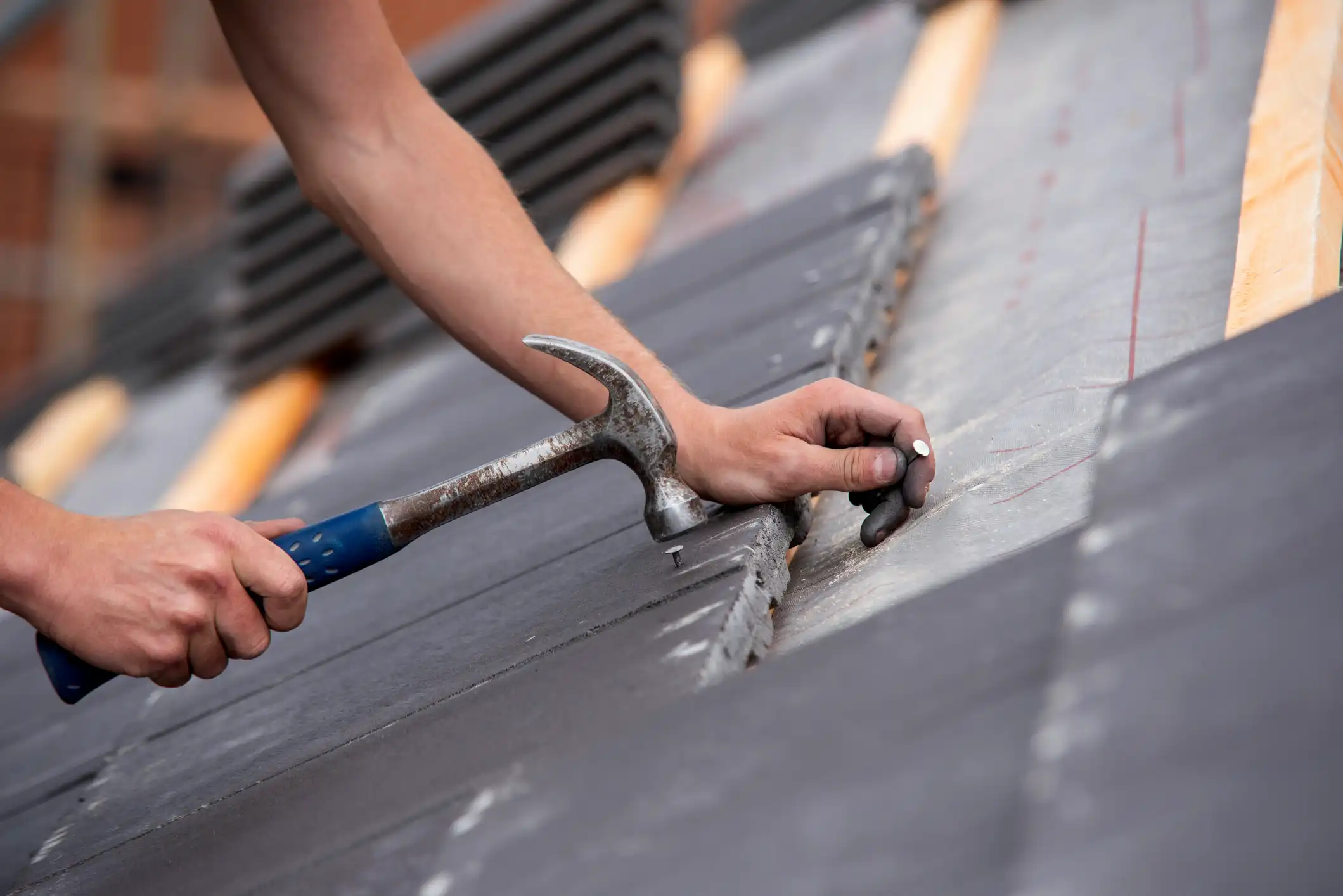
This process begins with establishing a baseline. We do not guess the condition of your roof; we verify it through rigorous data collection. The service scope typically includes a full inventory of all roofing sections, an analysis of the current warranty status, and a detailed deficiency report. You receive a clear picture of what you own, its current value, and its projected lifespan.
A robust asset management program delivers specific, actionable data. You will receive reports that categorize roof sections based on urgency. This allows you to prioritize spending where it is needed most. For a facility manager, this means you can justify budgets to stakeholders with concrete evidence rather than speculation. We provide a timeline that outlines immediate stabilization needs versus long-term replacement projects.
The components of our management program include:
- Detailed Condition Assessment: A physical inspection of the membrane, flashings, metal edge details, and drainage systems.
- Deficiency Mapping: Visual documentation of all defects, from blistering and cracking to puncture damage.
- Life Cycle Cost Analysis: Calculations showing the cost of repair versus the cost of replacement over time.
- Budget Forecasting: Estimated costs for maintenance, restoration, or replacement over 1, 3, and 5-year horizons.
- Online Data Access: Many programs offer portal access to view your portfolio’s health in real-time.
By centralizing this data, you eliminate the chaos of lost paperwork and forgotten warranty expiration dates. Every repair, inspection, and modification is logged, creating a permanent service history that adds value to the property if you ever decide to sell.
The Process: From Audit to Execution
Implementing a roof asset management plan follows a structured workflow designed to minimize disruption to your daily operations while gathering critical data. The process is systematic, ensuring that no square foot of your roofing system is overlooked.
First, the team conducts an initial intake and historical review. We gather existing blueprints, previous leak logs, and warranty documents. Understanding the history of the building helps in identifying chronic issues versus new developments. If you are managing multiple properties in the Eunice area, this step consolidates disparate information into a single management framework.
Next, the physical audit takes place. Certified inspectors walk the roof in a grid pattern. They inspect every penetration, including HVAC curbs, plumbing vents, and skylights. These penetration points are often the first to fail, and they receive special attention. The field team uses non-destructive testing methods where necessary, such as infrared thermography, to detect trapped moisture beneath the membrane that is not visible to the naked eye.
Following the physical inspection, the data is analyzed and compiled. The raw data is converted into a graded rating system for each roof section. A common method is the Red-Yellow-Green system. Red indicates immediate failure risk requiring emergency action. Yellow suggests manageable defects that require scheduled repairs to prevent deterioration. Green indicates a roof in good standing that only requires routine preventative maintenance.
Finally, the execution phase begins based on the approved budget. Design Roof Services LLC moves from analysis to action. We schedule the "Red" priority repairs immediately to stop water ingress. Once the building is watertight, we implement the "Yellow" maintenance tasks. Throughout this entire process, you receive progress reports and photographic evidence of the repairs, ensuring total transparency.
Determining When to Repair vs. When to Replace
The central question in roof asset management is determining the tipping point between repair and replacement. Making the wrong choice can drain your operational budget or result in a catastrophic failure that halts business operations. Our management strategy uses specific metrics to guide this decision, removing emotion and guesswork from the equation.
A roof should typically be repaired or restored if it has retained more than 70% of its expected service life and if the insulation remains dry. Restoration, such as applying a fluid-applied coating, can often extend a roof's life by 10 to 15 years at a fraction of the cost of a tear-off. If the membrane is intact but flashings are failing, a targeted repair project is the most fiscally responsible choice.
However, replacement becomes the necessary path when the structural integrity of the roof is compromised. If moisture scans reveal that more than 25-30% of the underlying insulation is saturated, repair is often throwing good money after bad. Wet insulation ruins thermal efficiency and can degrade the roof deck, leading to safety hazards.
We also look at the frequency and cost of repairs. If your annual repair costs equal or exceed the annualized cost of a new roof (the total cost of a new roof divided by its expected years of life), it is time to replace. Continuing to patch a failing system is a drain on resources known as "reactive churning."
Key decision indicators include:
- Membrane Brittleness: If the material cracks under pressure rather than flexing, it has lost its chemical plasticizers and cannot withstand thermal movement.
- Seam Integrity: Widespread seam failure often indicates the adhesive or welding bond has reached the end of its life.
- Deck Condition: Any sign of corrosion (in metal decks) or rot (in wood decks) mandates immediate replacement to ensure occupant safety.
- Energy Efficiency Goals: Older roofs may not meet current energy standards; replacement offers an opportunity to increase R-value and lower utility bills.
Local Climate Considerations and Compliance
Operating in southeastern New Mexico presents specific environmental challenges that directly impact roof performance. A generic maintenance plan will not suffice; the strategy must be adapted to the local realities of the high desert climate.
Thermal Shock and UV Degradation:
The region experiences significant temperature swings. Intense daytime heat followed by rapid cooling at night causes roofing materials to expand and contract. Over time, this thermal movement stresses seams and flashings, leading to separation. High UV exposure is another critical factor. The sun in this area is relentless, breaking down the chemical bonds in older asphalt and single-ply membranes. Our management plans focus heavily on checking seam integrity and monitoring UV wear on cap sheets.
Monsoon Season Management:
While winters are relatively mild, the summer brings the monsoon season, characterized by intense, short-duration thunderstorms. These storms test the limits of your drainage system. A roof that holds water (ponding) is at high risk during these events. Asset management in this region prioritizes drainage efficiency. We inspect scuppers, downspouts, and internal drains to ensure they are free of debris and capable of handling rapid water flow.
Wind Uplift and Security:
Open terrain around the city can lead to high wind events. Loose metal edging or poorly adhered membranes can peel back during high winds. Regular inspections verify that perimeter securement meets current code requirements to prevent blow-offs.
Regulatory and Utility Landscape:
Compliance with local building codes is non-negotiable. When a roof requires more than a simple patch, permits may be required. We handle the logistical burden of permitting, ensuring that all work meets municipal standards. Furthermore, we stay informed about local utility rebate programs. Energy-efficient roofing upgrades can sometimes qualify for incentives, and we help you identify these opportunities to offset capital costs.
Why Proactive Management Drives ROI
The primary differentiator of a structured asset management program is the shift from "spending" to "investing." Unmanaged roofs are a liability; managed roofs are an asset. By documenting every interaction with the roof, you build a case for warranty claims if materials fail prematurely. Manufacturers often void warranties if the owner cannot prove that routine maintenance was performed. Our documentation provides that proof.
Safety is another critical component. Roofs are hazardous environments. Our management protocols include assessing safety risks, such as skylight cages, hatch rails, and walkway pads. Ensuring that your roof is safe for HVAC technicians and other tradespeople is a legal and ethical responsibility for building owners.
We also focus on tenant relationships. For commercial lessors, a leaking roof is the fastest way to lose a tenant. Proactive management ensures that leaks are prevented before they disrupt your tenants' business operations. This reliability justifies lease rates and improves tenant retention.
Finally, we emphasize data transparency. You are never in the dark about the status of your portfolio. Whether you manage a single warehouse or a campus of buildings, our reporting structures give you the high-level view needed for executive decision-making and the granular detail needed for facility maintenance.
Secure Your Facility's Future
Ignoring your roof until water drips onto the production floor is a costly strategy. It disrupts operations, damages inventory, and results in emergency repair premiums. Transitioning to a managed asset model gives you control over your facility's budget and performance.
We invite you to take control of your building's envelope. By partnering with Design Roof Services LLC, you ensure that your roofing assets are monitored, maintained, and optimized for the unique challenges of the New Mexico climate.
Protect your investment and plan for the future with confidence.
Contact our team today to schedule your comprehensive roof asset audit.

Customer Testimonials
Go With Experience