



Commercial Roof Repair in Malaga, NM
Urgently needing roof repair in Malaga, NM? Protect your business with our experienced commercial service. Contact now for reliable, quick solutions!
Immediate Commercial Roof Repair Services
Facing sudden roof damage in Malaga, NM can disrupt operations and threaten inventory, requiring immediate professional attention to mitigate financial loss. Our expert team provides fast, reliable commercial roof repairs to protect your business assets, so contact us or apply for financing immediately to secure your facility.
- Emergency services available 24/7 to handle any roofing crisis.
- Free, no-obligation estimates—know the costs upfront.
- Experienced with all commercial roofing materials, from flat to pitched roofs.
All work is fully licensed, insured, and complies with NM roofing regulations.
Addressing Critical Commercial Roofing Failures
Commercial roofing systems in Malaga face unique stress factors due to the high-desert climate. Intense ultraviolet radiation, thermal shock from rapid temperature fluctuations, and sudden wind events can degrade roofing membranes faster than in other regions. When a leak occurs, it is rarely an isolated incident; it is often a symptom of a systemic failure in the flashing, drainage, or membrane seams. Waiting to address these issues leads to moisture infiltration, which rots decking, ruins insulation efficiency, and compromises the structural integrity of the building.
Design Roof Services LLC prioritizes rapid mobilization to stop water ingress immediately. The goal is not just to patch a hole but to restore the watertight integrity of the building envelope. Whether the facility is a warehouse, retail center, or industrial complex, the focus remains on minimizing downtime and preventing secondary damage to interior assets.
What You Get With Professional Repair Services
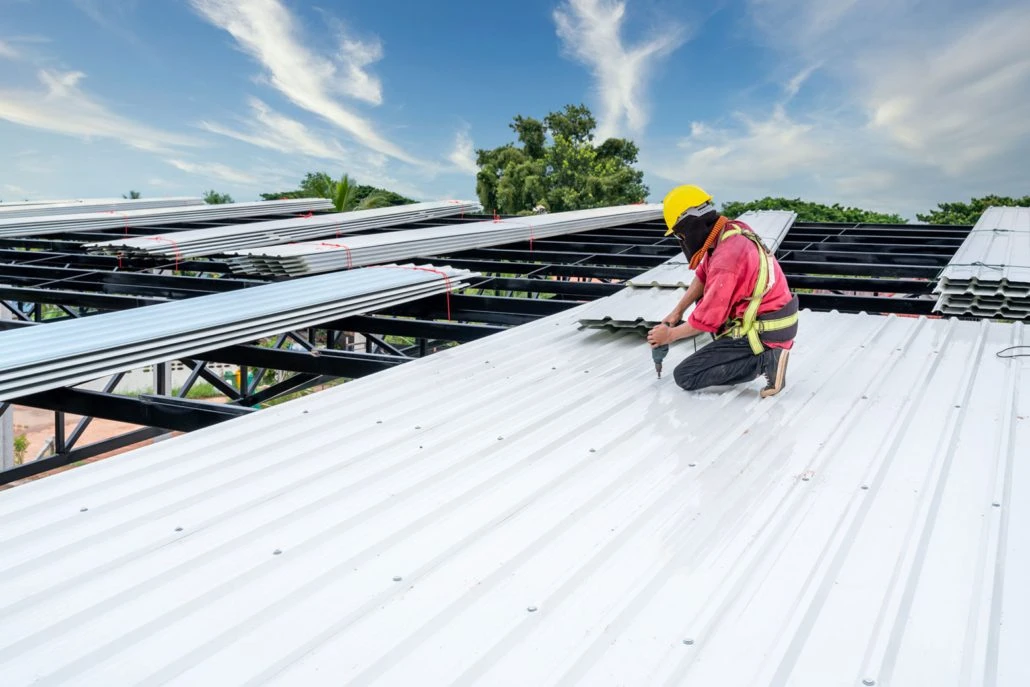
Engaging a professional service for commercial repair ensures a comprehensive approach to building maintenance. The scope of work goes beyond applying sealant; it involves a forensic approach to identifying the root cause of failure.
Comprehensive Moisture Detection:
Technicians utilize advanced diagnostic tools to identify trapped moisture beneath the membrane. This step is crucial because repairing a surface over saturated insulation will eventually lead to blistering and structural rot.
Debris and Sediment Removal:
Before any repair material is applied, the affected area is thoroughly cleaned. In the arid climate of New Mexico, dust and sand accumulation can compromise the adhesion of patches and coatings. Professional preparation ensures a bond that withstands thermal expansion.
Targeted Membrane Restoration:
Depending on the material—whether TPO, EPDM, PVC, or Modified Bitumen—specific repair protocols are utilized. This includes heat-welding patches for thermoplastics or applying compatible mastics for asphalt-based systems to ensure chemical compatibility and longevity.
Flashing and Penetration Reinforcement:
The majority of commercial roof leaks occur at penetrations such as HVAC curbs, vents, and parapet walls. Services include re-flashing these vulnerable points and replacing deteriorated sealants with industrial-grade termination bars and counter-flashing.
Drainage Correction:
Ponding water is a significant enemy of flat roofs. Repairs often involve clearing blocked scuppers and drains or installing crickets to divert water away from low spots, ensuring positive drainage is restored.
How The Commercial Repair Process Works
Understanding the workflow helps facility managers plan for necessary maintenance without disrupting daily operations — visit our blog for maintenance tips. The process is designed to be efficient, transparent, and compliant with safety standards.
Initial Assessment and Leak Sourcing:
The process begins with a physical inspection of the roof. Technicians walk the perimeter and grid the roof surface to identify visible damage, open seams, and blisters. If necessary, core cuts are taken to verify the condition of the substrate.
Detailed Proposal and Scope Definition:
Once the damage is assessed, a detailed scope of work is generated. This document outlines the specific repair methods, materials to be used, and the estimated timeline. This eliminates ambiguity regarding what is included in the service.
Site Preparation and Safety Setup:
Upon approval, crews arrive to set up safety perimeters in accordance with OSHA regulations. This protects both the workers and the building occupants. Staging areas for materials are established to minimize impact on parking and loading docks.
Execution of Repairs:
Technicians execute the repairs according to manufacturer specifications. This phase involves cutting out damaged membrane, replacing wet insulation, and installing new repair materials. Particular attention is paid to achieving a watertight seal at all transition points.
Quality Control Inspection:
After repairs are completed, a supervisor performs a final walkthrough. This quality assurance step verifies that all items in the scope of work have been addressed and that the repairs meet industry standards for adhesion and waterproofing.
Site Cleanup and Documentation:
The final step involves removing all debris and old materials from the site. Documentation, including photos of the completed repairs, is provided for facility records and warranty purposes.
When to Opt for Roof Replacement Over Repair
Deciding between repairing a current system or investing in a full replacement is a critical financial decision for any property owner. While repairs are often the most cost-effective immediate solution, there are specific thresholds where replacement becomes the more prudent long-term investment.
Insulation Saturation:
If moisture surveys reveal that more than 25% of the underlying insulation is saturated, repair is often throwing good money after bad. Wet insulation loses its R-value, increasing energy costs, and trapped moisture will continue to degrade the deck regardless of surface repairs.
Age and Material Condition:
Most commercial roofs have a lifespan of 20 to 30 years. If the roof is nearing the end of its warranty period and experiencing frequent, widespread failures, a replacement may be necessary. Signs of end-of-life include brittleness in single-ply membranes or alligatoring in built-up roofs.
Cost of Cumulative Repairs:
When the cost of necessary repairs approaches 30-40% of the cost of a new roof, replacement offers better value. A new roof resets the warranty clock and provides modern energy-efficient benefits that repairs cannot offer.
Structural Concerns:
If there is evidence of significant deck deflection or structural rot due to prolonged leaking, a simple patch will not suffice. Design Roof Services LLC helps owners evaluate these factors objectively to recommend the most viable path forward.
Compliance and Safety: Adhering to Local Standards
Operating in Malaga and the broader Eddy County area requires strict adherence to local building codes and safety regulations. Commercial roofing is a regulated trade, and ensuring compliance protects the building owner from liability and future legal complications.
Permitting and Inspections:
Major repairs often require permits from local building departments. Professional contractors handle the administrative burden of pulling permits and scheduling necessary municipal inspections to ensure all work is code-compliant.
NM Energy Conservation Code:
New Mexico has specific requirements regarding roof reflectivity and insulation values. Repairs are conducted in a manner that maintains the building’s compliance with current energy codes, helping to keep cooling costs manageable during hot summers.
Wind Uplift Ratings:
Given the open terrain and potential for high winds, repair materials and installation methods must meet specific wind uplift ratings. This ensures that patches and new flashing do not peel away during storm events.
OSHA Compliance:
Commercial roofs present fall hazards. Professional teams are trained in fall protection, utilizing harnesses, warning lines, and safety monitors. This commitment to safety minimizes the risk of accidents on your property.
Proof of Reliability and Technical Expertise
Selecting a commercial roofing partner involves looking for verifiable expertise and a track record of reliability. The technical requirements of commercial systems differ vastly from residential roofing, requiring specialized training and equipment.
Manufacturer Certifications:
Competent repair services are backed by certifications from major roofing manufacturers. This ensures that the technicians understand the specific chemistry and application techniques for materials like TPO, EPDM, and metal roofing.
Warranty Alignment:
Repairs are performed in a way that does not void existing manufacturer warranties. For buildings under warranty, proper documentation and approved repair methods are essential to maintain coverage.
Local Climate Expertise:
Experience in the local area translates to better material selection. Understanding how materials expand and contract in the New Mexico heat ensures that repairs are designed to handle thermal movement without cracking or separating.
Transparent Communication:
Clear communication regarding timelines, noise levels, and potential disruptions allows businesses to plan effectively. A professional approach involves keeping the client informed from the initial diagnosis to the final invoice.
Securing Your Commercial Facility
Maintaining a watertight roof is non-negotiable for commercial success. Neglected damage leads to compounded costs, halted operations, and safety hazards. By choosing a team that understands the specific challenges of Malaga, NM, you ensure your building remains compliant, safe, and efficient. Design Roof Services LLC is ready to deploy experienced technicians to assess and resolve your roofing challenges today.
Protect your investment and stop leaks before they spread. Contact us now to schedule your commercial roof assessment.

Customer Testimonials
Go With Experience