



Commercial Roof Inspection in Eunice, NM
Secure your commercial property's future with expert roof inspections in Eunice. Ensure safety and compliance with our thorough assessments. Schedule today!
Protect Your Property with Expert Roof Inspections
Worried about your commercial building's roof integrity in Eunice's harsh climate? Ensure your roof's longevity and safety with a professional inspection that identifies vulnerabilities before they become costly failures. Contact us today to schedule a comprehensive assessment or call us directly to discuss our financing options.
When you partner with Design Roof Services LLC, you secure a proactive approach to facility maintenance. Our inspections are designed to provide immediate clarity on the condition of your asset.
- Rapid response availability to address urgent concerns or post-storm assessments.
- Detailed inspections covering leaks, structural integrity, insulation efficiency, and membrane condition.
- Tailored service plans based on your specific roof type and local climate conditions.
All inspections meet New Mexico's building codes with guaranteed satisfaction, ensuring your facility remains compliant and safe.
What You Get With a Professional Commercial Roof Inspection
A commercial roof inspection is not merely a quick glance at the surface; it is a forensic analysis of your building's first line of defense against the elements. Business owners and facility managers in Eunice need precise data to make informed maintenance decisions. Our service provides a detailed roadmap of your roof’s current health, actionable insights for repairs, and a timeline for future capital expenditures.
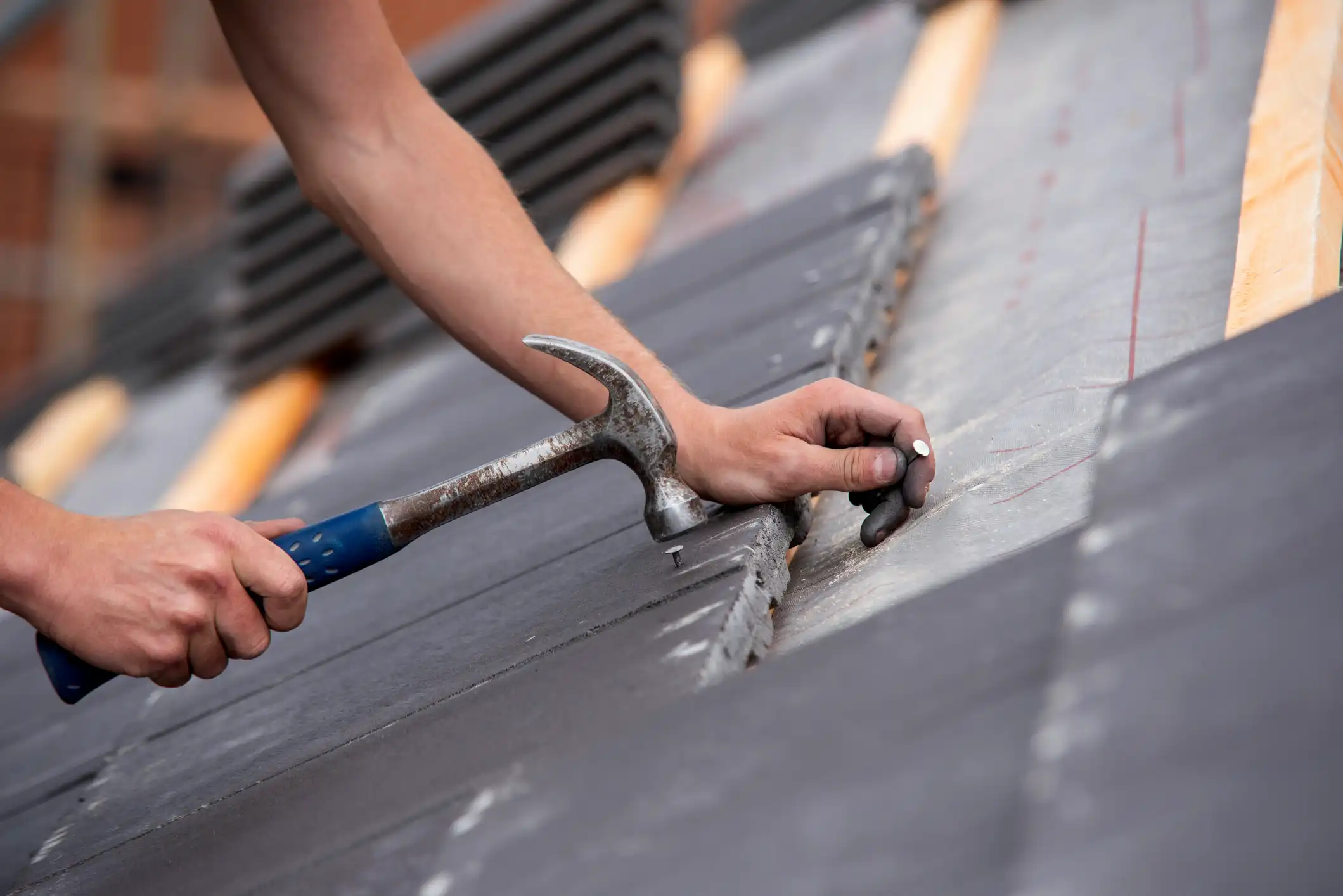
When our team arrives, we conduct a systematic evaluation of every component of the roofing system. We do not cut corners. The goal is to detect moisture intrusion, insulation damage, and structural weaknesses that remain invisible to the untrained eye. You receive a comprehensive report that documents every deficiency, accompanied by photographic evidence and technical recommendations.
Scope of Inspection Services
Our technicians analyze the following critical areas:
- Membrane Analysis: We check for blistering, cracking, punctures, and shrinkage in TPO, EPDM, PVC, or modified bitumen systems.
- Flashings and Penetrations: We examine areas around HVAC units, vents, skylights, and pipes, as these are the most common entry points for water.
- Drainage Systems: We verify that gutters, scuppers, and internal drains are clear of debris and slope correctly to prevent ponding water.
- Parapet Walls and Coping: We inspect the termination points of the roof system to ensure the building envelope is sealed against wind-driven rain.
- Structural Decking: Where necessary, we assess the condition of the underlying deck for signs of rot, corrosion, or deflection.
Expected Timelines and Deliverables
Time is money in the commercial sector. We streamline the inspection process to minimize disruption to your daily operations.
- Initial Site Visit: Most inspections for standard commercial properties are completed within a few hours.
- Report Generation: You receive a detailed status report typically within 24 to 48 hours of the site visit.
- Emergency Assessments: For urgent situations involving active leaks, we provide immediate verbal assessments followed by expedited written documentation.
How the Commercial Inspection Process Works
Understanding the flow of our inspection services helps you prepare your facility and staff. We utilize a structured methodology to ensure no detail is overlooked, moving from the interior of the building to the exterior rooftop.
- Initial Consultation and Interior Review:
- First, we discuss any known issues, leak history, or recent maintenance work with your facility manager.
- Next, we walk the interior of the building to inspect ceilings and walls for water stains, mold growth, or structural shifting that indicates roof failure above.
- Rooftop Access and Safety Setup:
- Once interior data is collected, we access the roof using OSHA-compliant safety protocols.
- We establish a perimeter and identify safety hazards such as skylights or soft spots before beginning the detailed grid search.
- Systematic Grid Inspection:
- We walk the roof in a grid pattern to visually inspect the field membrane.
- Our team probes seams and laps to ensure adhesion is intact, which is critical for preventing wind uplift.
- We check for thermal shock damage, common in New Mexico where temperature fluctuations cause materials to expand and contract rapidly.
- Core Cuts and Moisture Detection (If Required):
- If we suspect trapped moisture within the insulation layers, we may perform test cuts (core samples).
- These small samples reveal the composition of the roof assembly and the condition of the substrate.
- Any test cuts are immediately patched and sealed to restore the roof's watertight integrity.
- Final Reporting and Consultation:
- Finally, we compile our findings into a formal document.
- We schedule a follow-up meeting to review the report, explain the severity of any defects found, and present options for repair or restoration.
When to Replace vs. Repair Your Commercial Roof
One of the primary goals of a commercial inspection is to determine the most financial viability of repairing the existing system versus investing in a full replacement. This decision relies on objective data rather than guesswork. We help you weigh the immediate costs against long-term value.
Indicators for Repair
Repairing the roof is often the preferred route if the system is relatively young and the damage is localized.
- Localized Damage: If leaks are confined to less than 25% of the total roof area, targeted repairs are usually cost-effective.
- Good Insulation: If the underlying insulation is dry and the deck is sound, there is no need to tear off the entire system.
- Recent Installation: Roofs that are mid-lifecycle (typically under 10-15 years) often warrant repair and maintenance rather than replacement.
- Flashings Only: If the membrane is intact but flashings around penetrations have failed, these can be resealed or replaced without disturbing the main field of the roof.
Indicators for Replacement
There comes a tipping point where continuing to patch a failing roof becomes a financial drain.
- Saturated Insulation: If moisture has permeated the insulation layer, it loses its R-value and can degrade the structural deck. This requires a tear-off.
- Extensive Membrane Failure: When the membrane becomes brittle, cracks extensively, or shows "alligatoring" across more than 30% of the surface, repairs will not hold.
- Cost Ratio: If the estimated repair costs approach 30-50% of the cost of a new roof, replacement is generally the smarter financial investment.
- End of Lifecycle: If the roof has surpassed its warranty period and requires frequent emergency service, a new system offers better ROI through energy savings and lower maintenance costs.
Mid-page, it is important to note that Design Roof Services LLC provides honest assessments. We never recommend a full replacement when a repair and maintenance plan will suffice, nor do we suggest band-aid fixes for roofs that are structurally compromised.
Local Factors Impacting Roof Integrity in Eunice
Operating a commercial facility in Eunice presents specific challenges regarding building maintenance. The local environment plays a significant role in how quickly roofing materials degrade and what specific issues inspectors must look for.
Regional Climate Challenges
The semi-arid climate creates a harsh environment for roofing materials.
- UV Degradation: High exposure to ultraviolet radiation accelerates the aging process of TPO, EPDM, and asphalt-based roofs. This causes materials to become brittle and prone to cracking.
- Thermal Shock: The significant difference between daytime highs and nighttime lows causes repeated expansion and contraction. This thermal cycling puts immense stress on seams, flashings, and metal coping caps.
- Wind Uplift: High winds common in the region can lift perimeter edges and scour protective granules from modified bitumen roofs.
- Sporadic Heavy Rainfall: While precipitation may not be constant, sudden storms can dump large volumes of water, testing the capacity of drainage systems and revealing leaks instantly.
Permitting and Code Compliance
Commercial roofing in New Mexico is subject to strict building codes designed to ensure safety and energy efficiency.
- Energy Efficiency Standards: Inspections help verify that your roof contributes to the building's thermal envelope requirements. Reflective coatings or proper insulation levels are often mandated for new projects or re-roofing.
- Permit Requirements: Any significant repair or replacement work identified during an inspection requires proper permitting through local municipal channels.
- Drainage Codes: Plumbing and building codes dictate specific requirements for primary and secondary drainage to prevent roof collapse under water weight.
Why Professional Assessment Matters
Commercial roofing systems are complex assets. Relying on general maintenance staff or unqualified observers often leads to missed diagnosis and deferred maintenance that compounds over time. Professional inspectors bring specialized knowledge of hydrology, material science, and structural engineering to the table.
Risk Mitigation and Asset Management
A professional inspection transforms roofing from a reactive expense into a managed asset.
- Warranty Preservation: Most manufacturer warranties require documented annual or semi-annual inspections. Failure to provide proof of maintenance can void your coverage.
- Insurance Documentation: In the event of storm damage, having a pre-storm inspection report establishes a baseline for the condition of your roof, streamlining the claims process.
- Tenant Safety: Identifying structural hazards or mold risks protects your tenants and employees, reducing liability for property owners.
Accuracy in Budgeting
Unexpected capital expenditures cripple cash flow. Our reports provide the data necessary for accurate forecasting.
- Immediate Repairs: We itemize urgent fixes with associated costs.
- Short-Term Maintenance: We identify preventative measures to extend roof life 1-3 years.
Long-Term Capital Planning: We estimate the remaining service life of the roof, allowing you to budget for replacement years in advance.
Secure Your Facility's Future
Don't wait for a ceiling leak to disrupt your business operations. A proactive inspection strategy is the most cost-effective way to manage your commercial property. Whether you are dealing with an aging roof, preparing for a real estate transaction, or simply need to certify the condition of your building after a storm, we provide the expertise required to make the right decisions.
Design Roof Services LLC is dedicated to providing transparent, thorough, and technical inspections for businesses across the region. We deliver the facts you need to protect your investment.
Take control of your building maintenance today. Contact us now to schedule your commercial roof inspection.

Customer Testimonials
Go With Experience