



Commercial Roof Replacement in Eunice, NM
Explore top-tier commercial roof replacement in Eunice, NM. Ensure long-term protection with our expert services. Schedule a roof evaluation today!
Facing Roof Deterioration or Leaks?
Worried about the integrity of your commercial roof in the harsh Eunice climate? Unresolved leaks, pooling water, and aging materials can lead to costly operational disruptions and significant interior damage. Contact us today to schedule a structural assessment or inquire about available financing options for your project.
When your facility’s roof is compromised, you need more than a quick patch; you need a strategic solution that ensures long-term protection. We provide business owners in Eunice, NM, with comprehensive replacement services designed to withstand the region's specific environmental challenges.
- Immediate on-site roof evaluations to prevent further damage and identify structural vulnerabilities.
- Customized replacement solutions tailored to extreme weather, ensuring energy efficiency and durability.
- Full warranty coverage for all installation and services to protect your capital investment.
All services are fully licensed, bonded, and insured to provide you peace of mind throughout the construction process.
Comprehensive Scope of Commercial Roof Replacement
Replacing a commercial roofing system is a significant capital expenditure that impacts your building’s envelope, energy efficiency, and long-term asset value. A full replacement goes beyond simply rolling out new material; it involves a holistic approach to the building's structural health. When you commission a replacement project, the scope includes the removal of compromised layers, the inspection of the underlying deck, and the installation of modern insulation systems that meet current building codes.
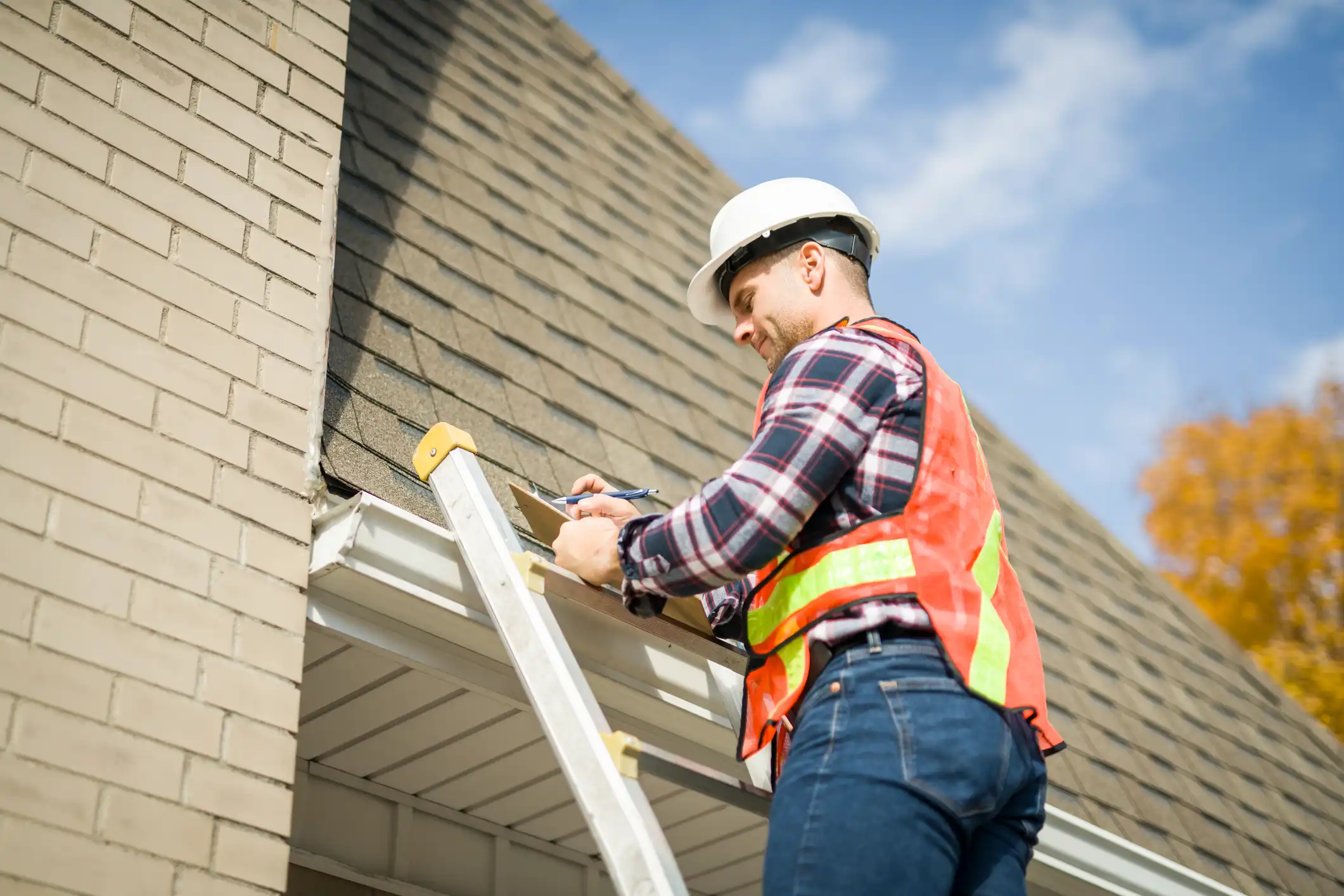
In the commercial sector, minimizing downtime is critical. The replacement process is engineered to allow your daily operations to continue with minimal interference. Logistics, safety protocols, and debris management are planned extensively before any materials arrive on site. The goal is to transition your building from a liability to an asset, utilizing materials that reflect UV rays and reduce cooling loads during the intense New Mexico summers.
Modern commercial roofing systems offer distinct advantages over legacy materials. Whether your building requires Single-Ply Membranes (TPO, PVC, EPDM), Modified Bitumen, or Built-Up Roofing (BUR), the focus remains on watertight integrity and thermal performance. A proper replacement includes the installation of tapered insulation systems to correct drainage issues, preventing the standing water that often leads to premature failure in flat roofs.
The Installation Process: From Assessment to Completion
A systematic approach to roof replacement ensures that every component, from the deck to the flashing, is installed according to manufacturer specifications. This process is linear and transparent, allowing facility managers to track progress against the project timeline.
- Initial Site Evaluation and Planning: The process begins with a rigorous audit of the existing roof assembly. Technicians conduct moisture scans to determine if water has saturated the insulation or damaged the structural deck. This data informs the scope of work, ensuring that all wet materials are removed. During this phase, a staging plan is developed to organize material delivery and crane placement in a way that respects your property’s access points and traffic flow.
- Tear-Off and Surface Preparation: Once the project commences, the existing roof system is removed down to the structural deck. This is a critical step, as laying a new roof over a compromised substrate invites future failure. The deck is cleaned and inspected for rust, rot, or structural deficiencies. Any necessary deck repairs are completed immediately to ensure a solid foundation for the new system.
- Insulation and Membrane Installation: After the deck is prepped, high-density insulation layers are mechanically attached or adhered to the surface. In many cases, a tapered insulation system is installed to create positive drainage, directing water away from the center of the roof toward scuppers and drains. Following insulation, the waterproofing membrane, such as TPO or EPDM, is rolled out and secured. Seams are heat-welded or chemically adhered to create a monolithic, watertight barrier that is impervious to moisture.
- Flashing and Detail Work: The integrity of a commercial roof relies heavily on the quality of the detail work. Technicians pay special attention to penetrations, such as HVAC curbs, plumbing vents, and skylights. Custom-fabricated metal flashing is installed at the perimeter and parapet walls to seal edges and prevent wind uplift. This stage is crucial, as the majority of roof leaks originate at flashings that were poorly detailed or rushed.
- Final Inspection and Cleanup: The project concludes with a thorough quality assurance inspection. Every seam is probed, and every penetration is checked to ensure compliance with manufacturer warranty requirements. The site is cleared of all debris, ensuring your property is left clean and safe. Only after a final walkthrough confirms that all specifications have been met is the project considered complete.
Determining When to Replace Versus Repair
Making the decision between repairing a problematic section of the roof and investing in a full replacement is a common dilemma for facility managers. While repairs may offer a lower upfront cost, they are often a temporary fix for a systemic issue. Design Roof Services LLC helps stakeholders analyze the lifecycle costs of their roofing assets to determine the most financially sound path forward.
There are specific indicators that shift the logic from repair to replacement. If your roof has exceeded its expected service life, typically 20 years for many commercial systems, materials become brittle and prone to cracking. At this stage, repairs become frequent and increasingly expensive, often costing more annually than the financing payments on a new roof.
Consider the extent of moisture saturation. If moisture scans reveal that more than 25% to 30% of the underlying insulation is wet, replacement is generally the only viable option. Trapped moisture degrades the roof deck, promotes mold growth, and drastically reduces the R-value (thermal resistance) of the building, leading to higher energy bills.
Another critical factor is the condition of the membrane seams and flashings. Widespread seam failure or "alligatoring" (cracking) across the surface indicates that the chemical structure of the roof has degraded. In these instances, patching is merely a stopgap measure. A full replacement resets the warranty clock, provides access to modern, energy-efficient materials, and eliminates the unpredictability of emergency leak repairs.
Local Climate Considerations and Compliance
Operating a commercial facility in Eunice presents unique challenges regarding the building envelope. The local climate is characterized by high summer temperatures, intense UV radiation, and seasonal thunderstorms that can drop significant amounts of water in a short period. These environmental factors dictate specific material choices and installation methods to ensure longevity.
- Thermal Shock and UV Degradation: The fluctuation between daytime highs and cooler evening temperatures causes roofing materials to expand and contract. This thermal cycling can pull seams apart and loosen flashings over time. Replacement systems in this region often utilize reflective, cool-roof membranes (like white TPO) which reflect sunlight, reducing surface temperature and mitigating thermal shock while lowering indoor cooling costs.
- Drainage and Storm Management: While rainfall may not be daily, when storms occur, they can be intense. Flat roofs must have adequate drainage systems to prevent ponding water. Standing water acts as a magnifying glass for the sun’s rays, accelerating membrane deterioration, and adds immense weight to the structure. Replacement projects prioritize the installation of tapered ISO insulation to ensure water flows efficiently to drains, reducing the risk of leaks during heavy downpours.
- Building Codes and Permits: Commercial roofing projects are subject to strict local building codes and energy conservation standards. Compliance involves securing the necessary permits before work begins and adhering to regulations regarding wind uplift ratings and insulation values. Professional contractors handle the administrative burden of permitting, ensuring that the new roof meets all municipal requirements and passes necessary city inspections. This adherence to code is vital for maintaining the building’s insurability and resale value.
Operational Standards and Project Integrity
The success of a commercial roof replacement hinges on the technical proficiency of the installation team and the quality of the materials selected. High-quality commercial roofing is a complex construction project that requires specialized knowledge of thermodynamics, structural engineering, and waterproofing chemistry.
Safety is a paramount concern during any commercial construction project. Established protocols ensure that the installation crew operates safely at heights, protecting both the workers and the building’s occupants. This includes the use of fall protection systems, perimeter warning lines, and strict adherence to OSHA regulations. A safe job site is indicative of a professional operation that values precision and risk management.
Furthermore, the warranty attached to a new commercial roof is a major component of its value. Manufacturer warranties, specifically No Dollar Limit (NDL) warranties, cover both labor and materials for defects. However, these warranties are only valid if the system is installed by a certified contractor according to strict specifications. This certification acts as a vetting mechanism, ensuring that the installers have been trained on the specific products being used.
Choosing a replacement allows for the integration of modern sustainability features. Beyond cool roofing membranes, owners can opt for increased insulation thicknesses that exceed basic code requirements, providing a return on investment through reduced HVAC expenditures over the lifespan of the roof.
Design Roof Services LLC is committed to delivering roofing solutions that align with the strategic goals of your business, ensuring that your facility remains watertight and efficient for decades.
Secure Your Commercial Property Today
Don’t wait for a catastrophic failure to address your aging roof. A proactive replacement strategy protects your inventory, equipment, and personnel while enhancing the energy efficiency of your building. Ensure your facility is prepared for the elements with a professionally installed, high-performance roofing system.
Schedule your comprehensive roof evaluation now to discuss your replacement options.

Customer Testimonials
Go With Experience