



Roof Restoration System in Lovington, NM
Discover top-tier roof restoration services in Lovington, NM. Revitalize your roof with seamless, durable solutions. Schedule a consultation today to enhance your property's longevity!
Revitalize Your Roof with Proven Restoration Solutions
Facing issues with your aging or damaged roof in Lovington, NM? Our expert roof restoration services can bring new life to your property, ensuring durability against the severe local weather conditions, so contact Design Roof Services LLC today to schedule a comprehensive evaluation of your roofing system.
Aging commercial and residential roofs often present a difficult choice between expensive tear-offs and temporary patch jobs, but a complete restoration system offers a middle ground that restores performance without the capital expense of replacement.
- Quick turnaround with same-day service options for urgent inspections.
- Detailed assessment and personalized solutions tailored to your roof’s condition.
- Transparent pricing with no hidden fees or unexpected costs.
All services are fully licensed with extensive warranties and flexible financing options.
Comprehensive Roof Restoration Systems for Long-Term Performance
A roof restoration system is fundamentally different from a simple repair or a patch job. It involves the application of a fluid-applied membrane or coating system that integrates with your existing roof structure to form a seamless, monolithic barrier against the elements. For property owners in Lovington, this means addressing the entire roof surface rather than chasing individual leaks as they appear. The goal is to extend the service life of the existing roof by ten to twenty years while improving the building's energy efficiency.
When you invest in a restoration system, you are receiving a fully renewed waterproofing layer. This process covers every inch of the roof, including the most vulnerable areas such as seams, fasteners, flashings, and penetrations. Unlike sheets of TPO or EPDM which must be taped or glued together, a restoration system has no seams. This is critical because seam failure is the leading cause of leaks in traditional roofing systems. By eliminating the seams, you eliminate the primary entry point for water during the intense rainstorms common in New Mexico.
The scope of this service includes a thorough cleaning and preparation of the substrate, reinforcement of weak points, and the application of a base coat and top coat. This results in a reflective surface that repels UV radiation. In an area with high solar exposure, this reflectivity significantly reduces thermal shock, the expansion and contraction of roof materials caused by daily temperature fluctuations. By keeping the roof surface cooler, the underlying structure undergoes less stress, preventing cracks and premature aging.
The Installation and Application Process
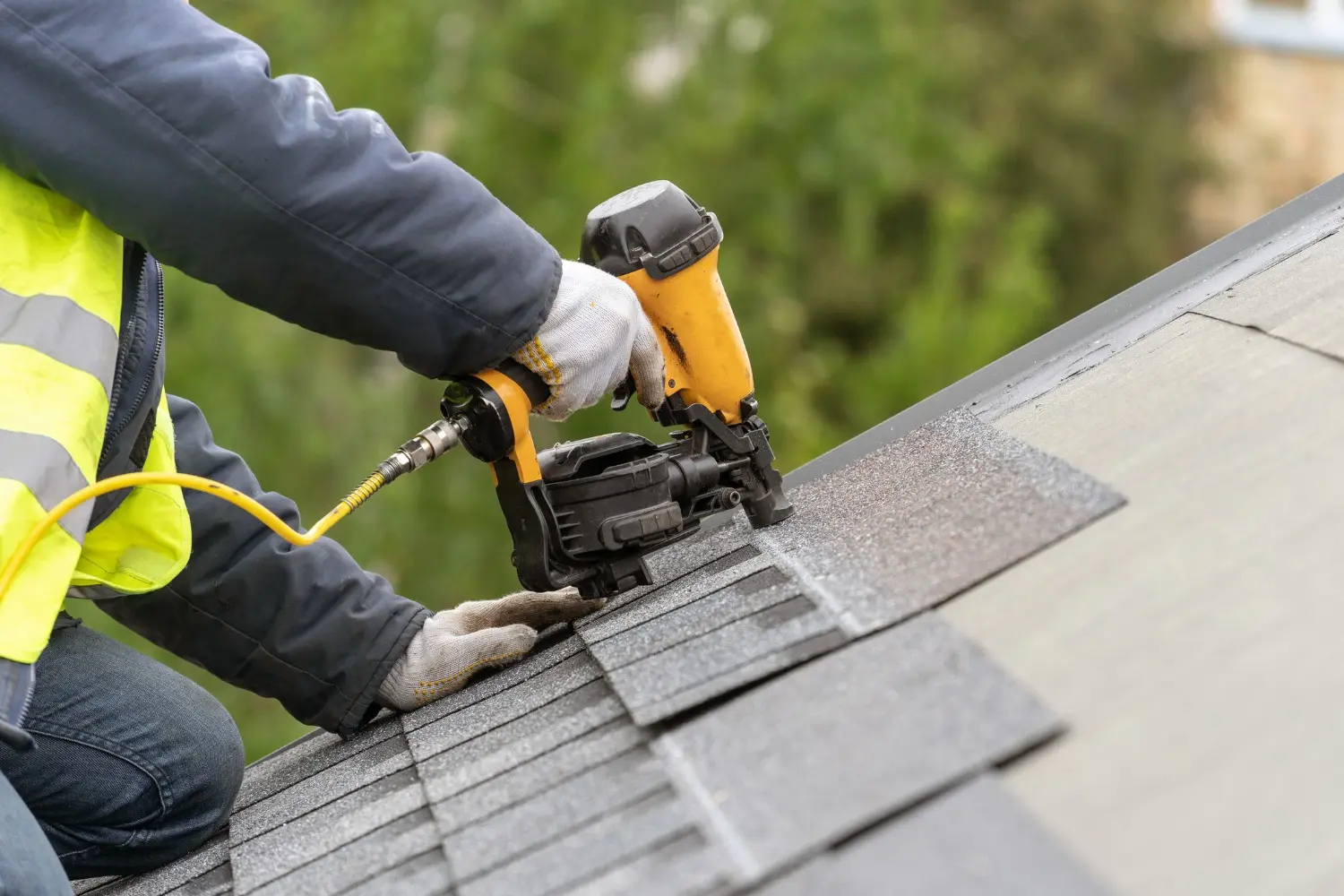
Applying a restoration system requires a methodical approach to ensure proper adhesion and long-term performance. The process is designed to be less intrusive than a replacement, allowing daily operations inside the building to continue with minimal disruption.
- The first phase involves a rigorous inspection and moisture survey. Technicians identify areas where water may be trapped beneath the existing membrane. It is crucial to locate saturated insulation, as coating over wet materials will lead to failure. Any wet insulation is removed and replaced to ensure a dry foundation for the coating.
- Following the inspection, the entire roof surface undergoes a specialized cleaning process. High-pressure washing or abrasive cleaning is used to remove dirt, debris, oxidation, and loose granules. This step is vital because the restoration membrane must bond directly to the substrate; contaminants will prevent adhesion and cause the coating to peel.
- Once the surface is clean and dry, the preparation phase begins. This involves tightening or replacing loose fasteners and reinforcing all seams, transitions, and flashings with heavy-duty mastic or reinforcing fabric. These detail areas are treated first because they endure the most movement and stress.
- Next, a primer is applied if the specific roof type requires it. The primer creates a chemical bond between the existing roof surface (whether it is metal, asphalt, TPO, or modified bitumen) and the new coating system. It also acts as a "bleed blocker" to prevent asphalt oils from staining the new white coating.
- The base coat is then applied over the entire surface. This layer provides the primary waterproofing capability. It is applied to a specific thickness, measured in mils, to ensure adequate coverage and protection.
- Finally, the top coat is applied. This layer provides UV stability, reflectivity, and physical durability. It protects the base coat from degradation and creates the final, aesthetically pleasing finish. The result is a seamless, rubber-like shell that encapsulates the building.
Deciding Between Restoration and Full Replacement
Determining whether to restore your existing roof or tear it off completely is a significant financial decision. While restoration is often the preferred choice due to cost savings and speed, it is not suitable for every situation. Understanding the criteria for each option helps property owners make informed decisions based on the health of their building.
Restoration is the ideal path when the roof membrane is nearing the end of its warranty but remains structurally sound. If the underlying insulation is dry and the roof deck is intact, a restoration system can renew the warranty and performance for a fraction of the cost of replacement. This option is typically viable if less than 25% of the underlying insulation is wet. Restoration is also categorized as maintenance for tax purposes, allowing owners to expense the cost in the current year rather than capitalizing it over decades, offering immediate financial benefits.
Conversely, full replacement becomes necessary when the roof system is compromised beyond the point of surface-level repair. If moisture surveys reveal that more than 25% to 30% of the insulation is saturated, trapping water against the deck, restoration is no longer a safe option. Trapped moisture causes rot, mold, and structural corrosion, which a top coating cannot fix. Additionally, if the existing roof has already been recovered (meaning there are already two layers of roofing material present), building codes generally require a complete tear-off before any new system can be installed.
Design Roof Services LLC evaluates the core integrity of the roof system to determine if the substrate is stable enough to support a coating. If the existing attachment method, whether mechanical fasteners or adhesives, is failing, a coating will not secure the roof against wind uplift. In such cases, mechanical repairs or full replacement are required to ensure the building meets safety standards.
Regional Considerations for Roofing in Lovington
The climate and regulatory environment in Lovington exert specific pressures on roofing systems that must be addressed during the restoration process. The local weather patterns dictate the timing and material selection for any roofing project.
- Extreme Heat and UV Exposure: With average summer highs exceeding 90°F, roofs in this region are subjected to intense ultraviolet radiation. Standard asphalt roofs absorb this heat, causing the material to dry out, become brittle, and crack over time. Restoration systems often utilize white, highly reflective silicone or acrylic coatings. These materials reflect up to 85% of the sun’s rays, keeping the roof surface near ambient temperature. This not only prolongs the roof's life but also reduces the cooling load on the building’s HVAC system during the hottest months.
- Monsoonal Rainfall: The area receives the majority of its precipitation between June and September. These storm events are often sudden and heavy, leading to flash flooding on flat roofs with poor drainage. Restoration systems are hydrophobic, meaning they shed water effectively. However, it is critical that the roof has positive drainage. "Ponding water", water that sits on the roof for more than 48 hours, can degrade certain types of acrylic coatings. In these cases, high-solids silicone is preferred as it withstands standing water without breaking down.
- Freeze-Thaw Cycles: Although winters are mild, nighttime lows can drop below freezing. If water enters a crack in the roof and freezes, it expands, widening the crack and causing significant damage. The elasticity of a restoration membrane allows it to stretch and contract with the roof through these temperature swings without cracking, maintaining a watertight seal year-round.
- Permitting and Regulations: Local building codes in New Mexico govern roofing modifications. While restoration is often classified as maintenance, specific applications or structural repairs preceding the coating may require permits. Navigating these requirements ensures that the work remains compliant with local ordinances and does not void insurance policies. Visit our blog for details.
Why Technical Precision Matters in Restoration
The effectiveness of a roof restoration system relies heavily on the technical precision of the application. Unlike painting a wall, applying a roofing membrane requires strict adherence to manufacturer specifications regarding dew point, temperature, and film thickness. If a coating is applied when the humidity is too high or the temperature is too low, it will not cure properly, leading to wash-off if it rains or blistering when the sun comes out.
Surface preparation is the most critical differentiator in the success of the project. A rushed cleaning job leaves dust and oxidation on the surface. When the new material is applied over this debris, it adheres to the dirt rather than the roof. Over time, the coating will delaminate, creating large bubbles or peeling sheets that allow water to enter. Professionals utilize adhesion tests before full application to verify that the chosen product bonds correctly to the specific existing membrane, whether it is an aged TPO, EPDM, or metal roof.
Furthermore, the treatment of penetrations, such as vents, skylights, and HVAC units, determines the system's reliability. These are the most difficult areas to seal and are the most common sources of leaks. A high-quality restoration involves "flashing" these areas with a thick, butter-grade mastic before the main coating is sprayed or rolled. This creates a reinforced seal around pipes and curbs that can withstand vibration from machinery and building movement.
Choosing the right chemistry is also essential. Acrylics, silicones, and polyurethanes each have distinct strengths. Acrylics are cost-effective and excellent for UV protection but struggle with ponding water. Silicones offer superior waterproofing and water resistance but attract dirt and can be slippery. Polyurethanes offer extreme durability for roofs with high foot traffic. Selecting the wrong chemical composition for a specific building’s usage and drainage profile will result in premature failure.
Extending Asset Value Through Restoration
For property owners, the primary motivation for restoration is asset management. A roof is one of the most expensive capital components of a building. By restoring it, owners reset the clock on the roof's aging process. This delays the significant capital expenditure of a full replacement, allowing funds to be allocated to other business needs.
Beyond the immediate cost avoidance, restoration adds value through energy efficiency. The "cool roof" effect generated by white restoration coatings lowers the internal temperature of non-air-conditioned workspaces, such as warehouses, improving comfort for occupants. In air-conditioned facilities, it reduces peak energy demand, lowering utility bills. This energy efficiency can sometimes qualify for local utility rebates or green building certifications.
Restoration is also the environmentally responsible choice. Roof waste contributes significantly to landfill volume. By restoring the existing membrane, tons of roofing debris are kept out of landfills. The process requires fewer raw materials and less transportation energy than manufacturing and shipping a new roof system.
Investing in a restoration system acts as a shield for the building's interior. It protects inventory, equipment, and personnel from water damage and mold growth. A proactive approach to roof maintenance shifts the focus from emergency leak response to planned asset preservation. This predictability allows for better budgeting and peace of mind during the storm season.
Secure the future of your property with a solution that combines durability, efficiency, and cost-effectiveness.
Unlock the full potential of your existing roof structure with Design Roof Services LLC. Contact us today.
Recovery Systems That Deliver Measurable Results
A well-executed roof restoration system in Lovington, NM, allows property owners to extend roof life without the disruption of full replacement. Design Roof Services LLC offers restoration services that seal, reinforce, and optimize existing systems using proven materials and techniques. We tailor every project to your structure’s needs for compliance, performance, and cost efficiency. Our team ensures each phase is planned and executed with complete transparency. Restore value while maintaining operational continuity.
Restore Function And Extend Roof Service Life

Customer Testimonials
Go With Experience