



Storm Damage Repair in Lovington, NM
Immediate storm damage repair in Lovington. Contact us for 24/7 support, insurance claims help, and expert roof restoration. Secure your property today!
Immediate Help for Storm Damage Repair
Facing sudden roof damage after a storm can be overwhelming. You need quick, reliable solutions to prevent further loss. Contact us immediately to secure your property and begin the recovery process.
We provide the following outcome-focused solutions:
- Rapid response teams available 24/7 to assess and commence repairs.
- Comprehensive damage assessment and tailored repair solutions.
- Coordination with insurance firms to streamline claims and repairs.
Fully licensed and insured with options for flexible financing.
In the semi-arid climate of Lovington, weather patterns can shift rapidly, bringing severe thunderstorms that leave homes vulnerable. When wind tears shingles loose or hail compromises the integrity of your roofing system, waiting is not an option. Water intrusion can quickly turn a minor exterior issue into major structural damage or mold growth within the home. Design Roof Services LLC specializes in identifying these specific local threats and neutralizing them before they escalate.
The aftermath of a storm requires a strategic approach. It is not simply about patching a hole; it is about restoring the building envelope to its pre-loss condition or better. Homeowners in Lovington need a partner who understands both the urgency of the situation and the technical requirements of dealing with insurance adjusters. Our process ensures that every aspect of the damage is documented, validated, and repaired according to current building codes.
What You Get Today: Emergency Stabilization
When a storm hits, the immediate priority is mitigation. This phase is distinct from permanent repair and focuses entirely on stopping the bleeding. Leaving a compromised roof exposed to the elements for even one night can result in thousands of dollars in secondary interior damage.
Our emergency response protocols include:
- Temporary Tarping: We deploy heavy-duty, weather-resistant tarps to cover exposed areas immediately. This is not a simple plastic sheet; it is a secured installation designed to withstand wind and rain until permanent repairs can be scheduled.
- Board-Up Services: If the storm has broken windows or compromised siding, we secure these openings to prevent unauthorized entry and further weather damage.
- Debris Clearance: Hazardous debris, such as fallen tree limbs resting on the roof, is carefully removed to allow for a proper assessment without causing additional harm to the structure.
- Moisture Detection: We utilize tools to detect if water has already breached the underlayment and entered the attic space, allowing for immediate drying protocols if necessary.
This initial stage provides you with peace of mind. Once the property is stabilized, the rush is over, and we can proceed with a calculated, thorough assessment of the permanent repairs needed.
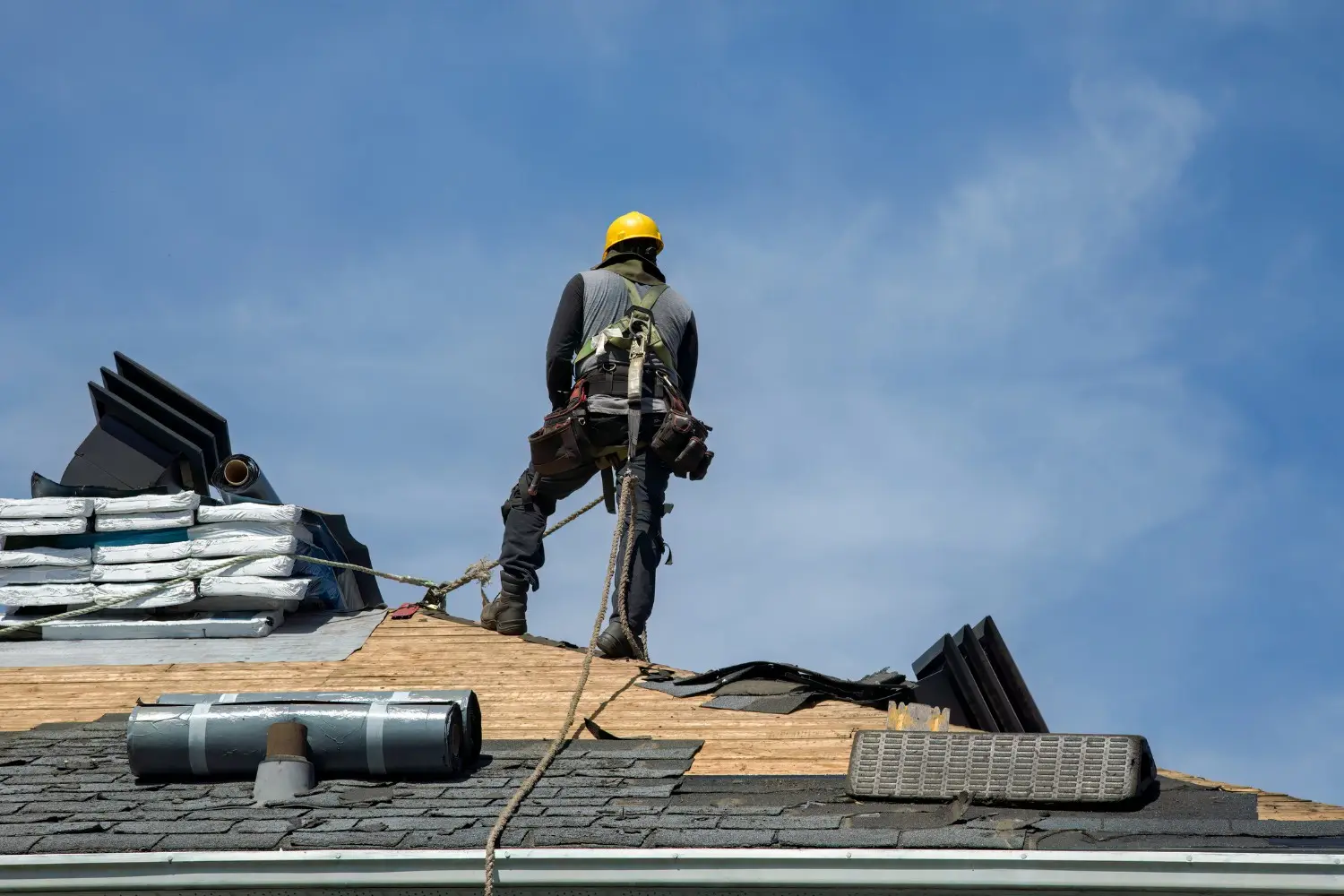
How Storm Repair Works
Navigating the path from a damaged roof to a fully restored home involves several technical steps. Many homeowners find the process of dealing with insurance claims and construction schedules daunting. We manage the project from start to finish, ensuring that technical specifications match insurance allowables.
The restoration workflow proceeds as follows:
- Forensic Inspection: A qualified inspector walks the entire roof system. We do not just look for missing shingles; we look for bruised shingles from hail, creased tabs from wind lift, and damaged flashing. We also inspect gutters, vents, and siding for collateral damage.
- Evidence Collection: Every instance of damage is photographed and documented. We create a comprehensive report that differentiates between storm damage, mechanical damage, and wear and tear. This distinction is vital for insurance approval.
- Insurance Coordination: We present our findings to your insurance carrier. Often, adjusters may miss subtle signs of damage during their initial visit. We meet them on-site to point out specific areas of concern, ensuring the Scope of Work covers all necessary repairs.
- Material Selection: Once the claim is approved, we help you select materials. In Lovington, this often means choosing impact-resistant shingles or materials capable of withstanding high UV exposure and thermal cycling.
- Execution and Installation: Crews arrive to strip the damaged materials (if necessary) or perform the specific repairs. We ensure that all underlayment, ice and water shields, and flashing are installed to code.
- Site Cleanup: Storm repair often generates debris, including nails and old shingles. We use magnetic sweeps and meticulous cleanup procedures to leave your property safe.
- Final Inspection: A supervisor inspects the work to ensure quality and adherence to manufacturer specifications before signing off on the project.
When Replacement Beats Repair
One of the most critical decisions in the storm restoration process is determining whether a roof can be effectively repaired or if a full replacement is required. This decision is based on data, engineering principles, and long-term cost-effectiveness, not guesswork.
We recommend replacement over repair in the following scenarios:
- Widespread Shingle Bruising: If a hailstorm has caused granule loss and bruising across more than 30% of the roof plane, spot repairs are often ineffective. The integrity of the remaining shingles is likely compromised, leading to premature failure.
- Age of the Roof: If your asphalt shingle roof is approaching the end of its manufacturer-rated lifespan (typically 20-25 years), repairing a large section may not be viable. Old shingles become brittle and can break when technicians attempt to interweave new shingles with the old ones.
- Discontinued Materials: If the existing shingles are no longer manufactured, finding a color and size match is impossible. While some insurance policies have "line of sight" exclusions, many will cover a full replacement if a reasonable match cannot be found to maintain the home’s value and aesthetic.
- Structural Damage: If the storm damage extends to the decking (the wood foundation of the roof) or the truss system, a simple shingle patch is insufficient. The entire system must be stripped to repair the structural components.
- Recurring Leaks: If a roof has been repaired multiple times and continues to leak after storms, it suggests a systemic failure. Continuing to patch a failing system is throwing good money after bad.
Local Considerations for Lea County Residents
Operating in this region requires specific knowledge of local environmental factors and building regulations. Lovington is situated in a semi-arid zone, which presents unique challenges for roofing materials and installation techniques.
Key local factors include:
- Thermal Shock: The significant temperature difference between day and night causes roofing materials to expand and contract rapidly. This thermal movement puts stress on fasteners and sealants. Repairs must utilize high-grade sealants and flexible materials that can handle this movement without cracking.
- High Wind Resistance: This area is prone to high wind events. Repairs and replacements must prioritize wind resistance. We ensure that starter strips are properly adhered and that the nailing pattern specifically meets the high-wind zone requirements for Lea County.
- UV Degradation: The intense New Mexico sun accelerates the aging of asphalt shingles. When repairing storm damage, we assess the level of UV degradation on the surrounding roof. If the existing roof is severely sun-damaged, new repairs may not adhere properly, which influences the recommendation for repair versus replacement.
- Permitting and Codes: All significant structural repairs and reroofing projects in Lovington require adherence to local building codes. We handle the acquisition of necessary permits and coordinate inspections with city officials to ensure the work is compliant. This prevents legal issues for the homeowner down the road, particularly when selling the property.
- Seasonality: While storm damage often happens in spring and summer, repairs must be timed to avoid the most extreme heat of the day for crew safety and material integrity. Conversely, winter repairs require special handling of shingles to prevent cracking during installation.
Evaluating Damage Types
Understanding the specific type of damage your property has sustained helps in formulating the right repair plan. Different weather events leave distinct "fingerprints" on your exterior.
Common damage signatures include:
- Hail Impact: Hail damage is not always visible from the ground. It appears as dark spots where granules have been knocked off, exposing the asphalt substrate. Over time, UV rays degrade this exposed asphalt, leading to leaks. Large hail can also dent metal vents, gutters, and flashing.
- Wind Lift: High winds can break the adhesive seal that holds shingles down. Once lifted, dust and debris can get underneath, preventing the shingle from resealing. This is often visible as creased lines across the top third of the shingle tab.
- Debris Impact: Falling branches or flying debris can puncture the roof deck. This is immediate, structural damage that requires emergency boarding up.
- Water Intrusion: Signs of water damage inside the home (stains on ceilings, bubbling paint) indicate that the roof system has failed. However, the entry point on the roof may be several feet away from where the water manifests inside.
Why Professional Restoration Matters
Attempting to handle storm damage repairs through general handyman services or DIY methods often leads to denied insurance claims and inadequate fixes. Storm restoration is a niche within the roofing industry that requires specific expertise in insurance phraseology and forensic damage assessment.
Expertise ensures the following:
- Maximizing Policy Benefits: Insurance adjusters operate based on what they can see and document. A professional contractor knows how to document damage that justifies a full and proper repair, ensuring you receive the coverage you have paid for.
- Code Compliance: Local building codes change. A professional ensures that when a roof is repaired or replaced, it is brought up to current standards. This might include adding ventilation or upgrading underlayment, which are often covered by code upgrade provisions in insurance policies.
- Warranty Preservation: Roofing materials come with manufacturer warranties that are voided if installed incorrectly. Professional installation ensures these warranties remain valid. Furthermore, Design Roof Services LLC provides workmanship warranties, guaranteeing that the repair holds up against future weather events.
- Safety: Inspecting a storm-damaged roof is dangerous. Granules make surfaces slippery, and structural integrity may be compromised. Professional crews have the safety gear and training to navigate these hazards without liability falling on the homeowner.
Securing Your Property's Future
The window to file an insurance claim and repair storm damage is not infinite. Ignoring signs of damage or delaying the inspection allows moisture to rot decking, insulation, and framing, significantly increasing repair costs. Taking decisive action protects your investment and restores the safety of your home.
We provide the expertise, local knowledge, and technical skill required to navigate the aftermath of a storm in Lovington. From the initial emergency tarping to the final nail of the restoration, we handle the heavy lifting.
Contact us today to schedule your comprehensive storm damage assessment and ensure your home is protected against the elements.

Customer Testimonials
Go With Experience