




Protect Your Home with Professional Roof Flashing Repair
Struggling with roof leaks every time it rains? Faulty or aged flashing might be the culprit, allowing water to seep into the vulnerable intersections of your roof structure. If you notice damp spots on your ceiling or water running down interior walls, call us immediately or ask about our financing options to address the issue before structural damage occurs.
Homeowners in Lovington, NM often overlook flashing until a storm hits, but this metal barrier is your roof's primary defense against water intrusion at joints and transitions. Design Roof Services LLC provides comprehensive inspection and repair services designed to seal these critical areas permanently.
- Quick, reliable repairs that prevent water damage and safeguard your home against mold and rot.
- Expert assessments to ensure your roof flashing meets all local building codes and manufacturer specifications.
- Flexible financing options to manage unexpected roof repair costs easily without delaying necessary work.
Backed by a full warranty and streamlined permit handling for peace of mind.
What to Expect From Professional Flashing Services
When you schedule a flashing service, the objective is to restore the watertight integrity of your roofing system immediately. Flashing is not merely a cosmetic trim; it is a structural necessity installed at every angle where the roof face is interrupted. This includes areas around chimneys, skylights, vent pipes, and where roof planes meet walls or other roof sections.
The scope of a professional repair goes beyond applying a layer of sealant. It involves a detailed audit of the metal components to detect corrosion, improper overlapping, or physical displacement caused by wind or thermal expansion. Most residential roofing projects utilize galvanized steel, aluminum, or copper flashing. The choice of material affects longevity and compatibility with your existing shingles or tiles.
Services typically included in a flashing restoration or replacement:
- Chimney Flashing Systems: Evaluation and replacement of step flashing, counter flashing, and cricket installation to divert water around the chimney stack.
- Valley Flashing Repair: Securing the metal channels that run down the intersection of two roof slopes, which handle the highest volume of water runoff.
- Vent and Pipe Boot Replacement: Swapping out cracked rubber or plastic boots around plumbing vents with durable lead or neoprene alternatives.
- Drip Edge Installation: Ensuring the metal edge at the eaves and rakes effectively guides water into the gutters rather than behind the fascia board.
- Wall Abutment Sealing: repairing the flashing where a roof deck meets a vertical wall, often requiring the removal of siding to ensure a proper water barrier.
Most flashing repairs can be completed within a single day, minimizing disruption to your routine. However, the timeline may extend if underlying wood rot is discovered during the removal of the old metal. In such cases, the priority shifts to structural repair to ensure the new flashing has a solid substrate for adhesion and fastening.
The Installation and Replacement Process
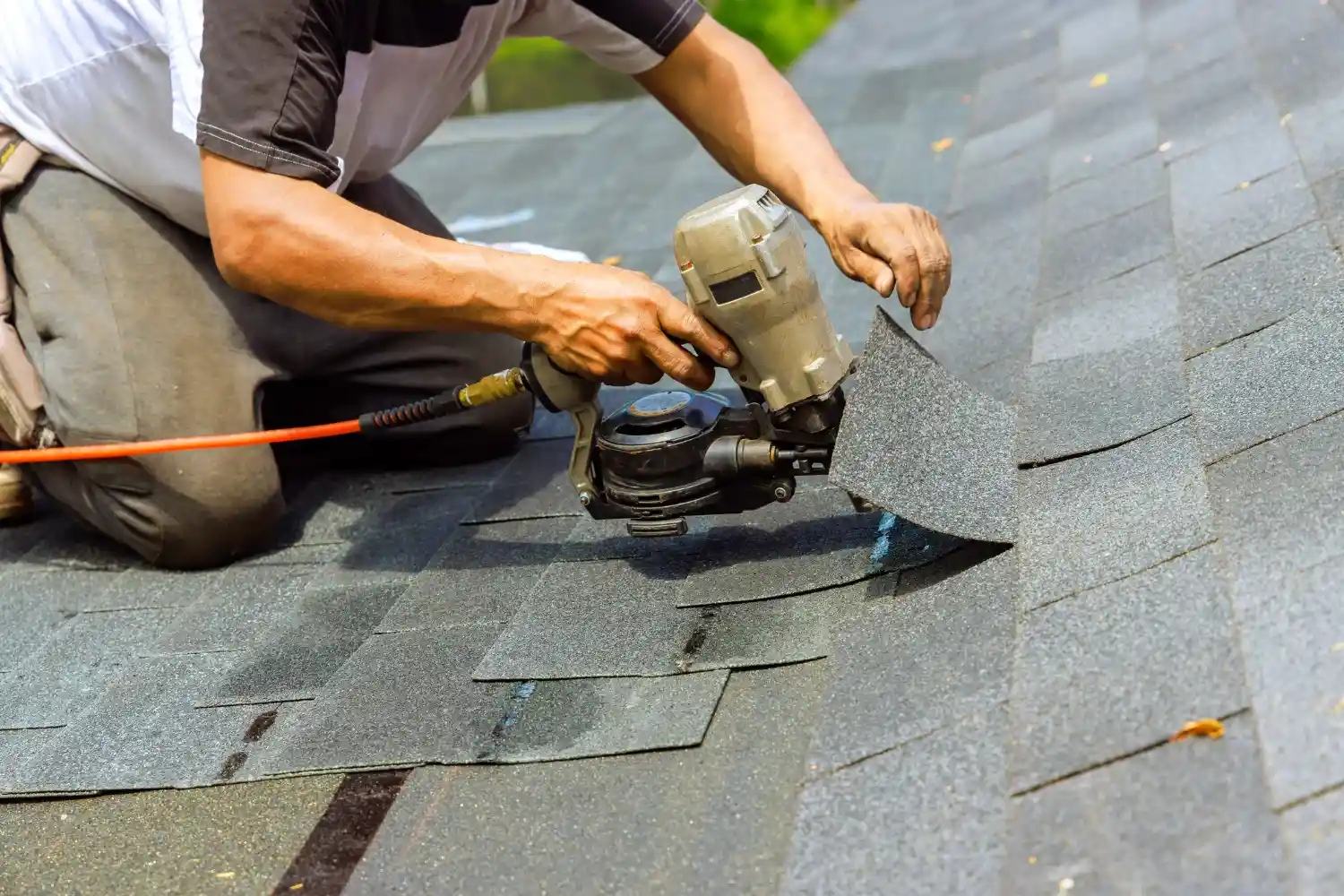
Understanding how flashing is installed helps homeowners appreciate the complexity of the task. It is not a job for general handymen; it requires specific knowledge of water management and roofing mechanics. A systematic approach ensures that water is always directed downward and outward, away from the interior of the home.
- Initial Assessment and Material Selection: The process begins with identifying the source of the leak and the type of existing flashing. The technician selects the appropriate gauge and metal type to prevent galvanic corrosion, which occurs when incompatible metals touch (such as aluminum touching copper).
- Removal of Surrounding Materials: To access the base of the flashing, shingle courses or siding adjacent to the repair area must be carefully lifted or removed. This step is delicate; preserving the integrity of the surrounding roofing material is essential to avoid expanding the scope of the project unnecessarily.
- Substrate Preparation: Once the old metal is removed, the underlying deck is inspected. Any rotted wood or torn underlayment is replaced. A high-quality ice and water shield or self-adhering waterproof membrane is applied directly to the deck. This secondary barrier provides backup protection should water ever bypass the metal.
- Fabrication and Installation: Metal is often bent and cut on-site to fit the specific angles of the roof. For step flashing, individual L-shaped pieces are interwoven with each course of shingles. For counter flashing, the metal is often tucked into mortar joints (in chimneys) or secured to the wall surface. Fasteners are placed strategically to avoid creating leak points, typically high up on the flashing flange where they will be covered by siding or shingles.
- Sealing and Integration: While mechanical overlapping is the primary method of water diversion, sealants are used in specific areas to ensure a tight bond. High-grade architectural caulk or polyurethane sealants are applied to exposed edges. However, the system relies primarily on gravity and proper layering rather than caulk, which can degrade over time.
- Final Inspection and Cleanup: The surrounding shingles are re-secured, and the work area is cleared of metal shards and debris. A final water test may be conducted to simulate rainfall and verify that the water flows correctly over the new installation.
Determining When to Replace vs. Repair
Making the decision between a simple repair and a full replacement of the flashing system depends on the severity of the deterioration and the age of the roof. While a quick patch might stop a leak temporarily, it is often more cost-effective in the long run to replace aging metal components.
Scenarios Where Repair is Sufficient:
- Sealant Failure: If the metal itself is in good condition but the caulk or sealant around the edges has cracked or dried out, a re-sealing service is usually adequate.
- Loose Fasteners: High winds can sometimes loosen the nails or screws holding the flashing. If the holes are not stripped and the metal is not bent, re-fastening and sealing the heads is a viable solution.
- Minor Impact Damage: If a falling branch has dented a piece of step flashing but hasn't pierced the metal or compromised the shingle overlap, it can often be manipulated back into shape or spot-repaired.
Scenarios Requiring Full Replacement:
- Corrosion and Rust: Rust is a sign that the galvanized coating on steel flashing has failed. Once rust sets in, pinholes develop, allowing water to pass through. You cannot repair rust; the metal must be replaced.
- Improper Initial Installation: If the original flashing was installed without proper overlapping (e.g., relying solely on tar to keep water out), it must be ripped out and redone correctly. No amount of patching will fix a fundamental design flaw.
- Re-Roofing Projects: If you are replacing your shingles, you should almost always replace the flashing. Reusing old flashing with new shingles compromises the lifespan of the new roof, as the metal has likely already endured years of wear.
- Structural Movement: If the house has settled and caused the flashing to pull away significantly from the brick or siding, custom-bent metal is required to bridge the new gap securely.
At Design Roof Services LLC, the focus is on long-term value. If a repair is likely to fail within a year due to the condition of the metal, a replacement will be recommended to save you the hassle of repeat service calls.
Navigating Local Requirements in Lovington
Operating in Lovington involves understanding the specific environmental stressors that affect roofing materials in this region. The semi-arid climate presents a unique set of challenges that flashing must withstand.
- Thermal Expansion and Contraction: Lovington experiences significant temperature swings, with hot summers reaching the 90s and cool winters dropping below freezing. This cycle causes metal flashing to expand and contract. If the flashing is nailed too tightly or without allowance for movement, it can buckle or pull away from the roof. Professional installation techniques account for this movement to prevent warping.
- UV Exposure: The intense New Mexico sun degrades sealants and rubber boots rapidly. Standard rubber pipe boots may crack within a few years. In this climate, utilizing lead jacks or UV-resistant collars is critical for longevity.
- Wind and Dust: High winds can drive rain horizontally, pushing water up and under standard flashing overlaps. In this area, wider flanges and tighter overlaps are often necessary to prevent wind-driven rain from entering the home. Additionally, accumulated dust can trap moisture against the metal, accelerating corrosion if debris is not cleared from valleys and behind chimneys.
- Permitting and Codes: Structural repairs or significant replacements often require adherence to local building codes. Ensuring that the work complies with Lovington regulations prevents issues when selling the home later. Professional contractors handle the logistics of permits, ensuring that the flashing height, overlap distance, and material gauge meet all safety and durability standards.
Why Technical Precision Matters
Roof flashing is the most technical aspect of roofing. While laying shingles covers the broad flat surfaces, flashing handles the "geometry" of the roof. It requires the skills of a sheet metal worker combined with the knowledge of a roofer. The margin for error is nonexistent; a gap of a fraction of an inch can lead to thousands of dollars in water damage inside the walls.
Inexperienced installers often make critical mistakes, such as nailing through the bottom of the valley flashing (which puts holes directly in the water path) or failing to install a "kick-out" flashing where a roof edge meets a wall. A kick-out diverter is essential to stop water from running down inside the siding, a common cause of rot that remains hidden for years until the wall structure fails.
Proper flashing also involves aesthetic considerations. The metal should blend cleanly with the roofline or provide a neat, finished contrast. Sloppy cuts, exposed tar, and mismatched metal colors reduce the curb appeal of the property. Precision cutting and bending ensure that the flashing looks as good as it performs.
Furthermore, safety is a major factor. Working on valleys, chimneys, and steep transitions requires proper harnessing and stability equipment. Attempting DIY flashing repairs on steep slopes poses significant injury risks. Professionals come equipped with the necessary safety gear to access difficult areas without damaging the roof or endangering themselves.
Effective water management extends the life of the entire roof. When flashing functions correctly, it keeps the underlayment dry and prevents the decking from soaking up moisture. This preserves the structural integrity of the trusses and rafters, ensuring the home remains safe and dry regardless of the weather intensity.
Don't let a small leak turn into a major renovation project. If you suspect your flashing is compromised, or if you are seeing signs of water intrusion, take action immediately.
Secure your home against the elements today. Contact Design Roof Services LLC now to schedule a comprehensive evaluation and get the durable repair your roof needs.
Sealing Services That Secure High Risk Areas
Precision roof flashing in Lovington, NM, reinforces the most vulnerable areas of your roofing system to prevent moisture intrusion and long-term damage. Design Roof Services LLC installs and repairs flashing at penetrations, edges, and transitions using materials that match system specifications. We ensure watertight performance while maintaining system integrity. Each detail is installed with care, craftsmanship, and code compliance. Safeguard critical points with expert flashing solutions.
Secure Roofing Transitions With Professional Flashing Detail

Customer Testimonials
Go With Experience