




Protect Your Home with Expert Roof Flashing
Dealing with roof leaks or water damage around your chimney or vents requires immediate professional attention to prevent structural failure. Proper roof flashing installed by certified professionals acts as the primary defense against water intrusion, safeguarding your Hobbs home against costly interior repairs. Call Design Roof Services LLC immediately to schedule an inspection or to discuss financing options for your repair.
When you secure your home with our specialized services, you receive:
- Long-term durability achieved through the use of heavy-gauge, corrosion-resistant materials designed for the high desert climate.
- Property protection via expert, code-compliant installation that addresses specific leak-prone areas like valleys and penetrations.
- Peace of mind provided by comprehensive warranties and dedicated post-service support.
All services are fully licensed, with extended warranties available to ensure your complete satisfaction.
Why Effective Roof Flashing is Essential for Your Home
Roof flashing is the unsung hero of a watertight roofing system. While shingles or tiles cover the majority of the surface area, they are not designed to handle the complex angles and joints where the roof meets a wall, a chimney, or a plumbing vent. These intersections are the most vulnerable points on any structure. Without correctly installed metal barriers, water inevitably finds its way into the decking, insulation, and eventually the drywall of your living space.
In the specific climate of Hobbs, NM, the importance of high-quality flashing is amplified. The region experiences significant thermal cycling, intense heat during the day followed by rapid cooling at night. This fluctuation causes roofing materials to expand and contract. If the flashing is poor quality or improperly fastened, this movement creates gaps. Over time, sealants crack and nails back out, breaking the waterproof seal.
Furthermore, while annual precipitation may be low, the rain that does fall often comes in the form of sporadic, heavy downpours accompanied by high winds. This wind-driven rain can be pushed upward under shingles and against vertical surfaces. Only a robust, multi-layered flashing system can divert this water back onto the roof surface where it can drain away harmlessly. Failing to address flashing issues often leads to rot that remains undetected until major structural damage has occurred.
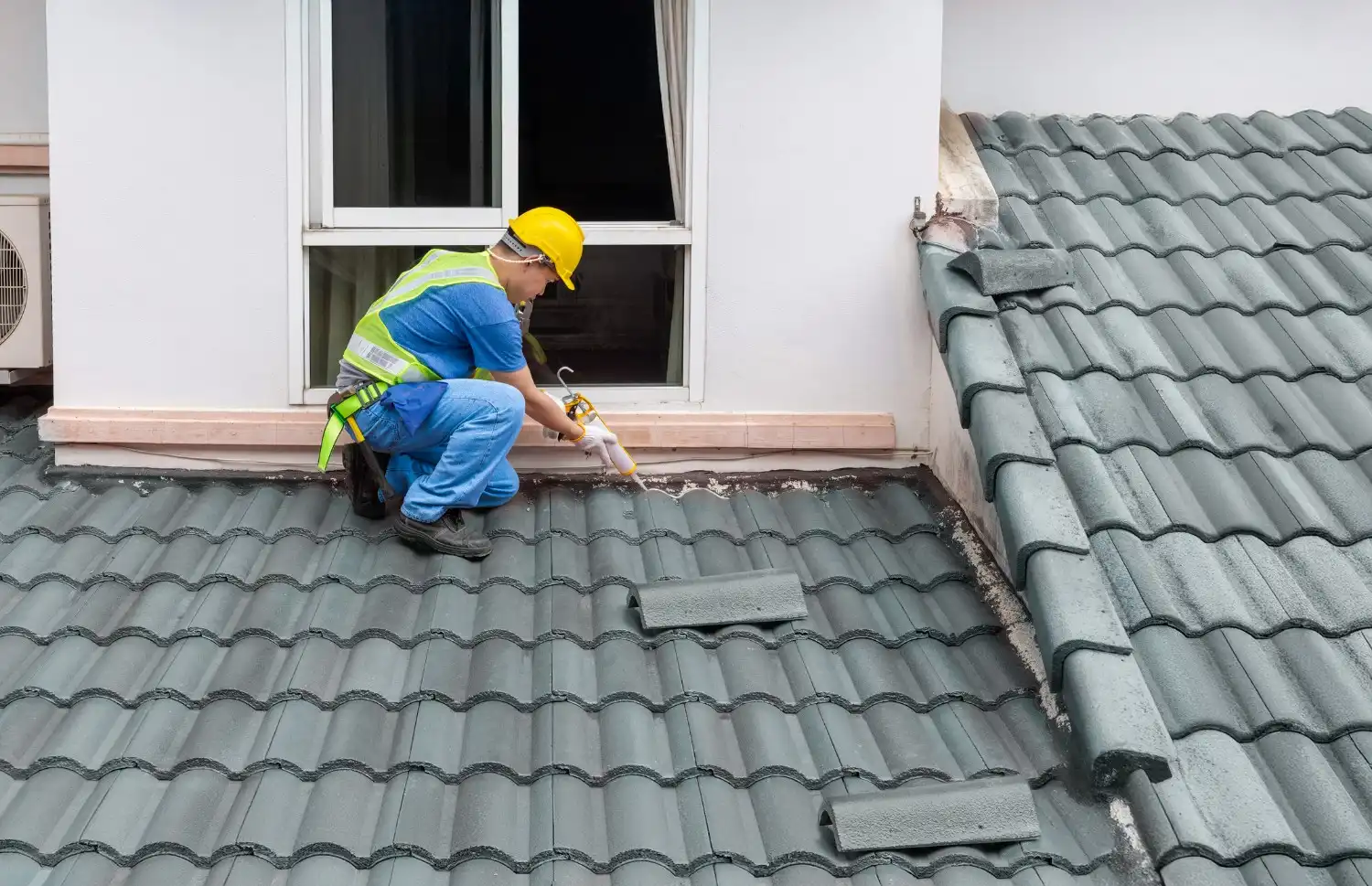
Our Roof Flashing Services: What We Offer
We provide a comprehensive suite of flashing solutions tailored to the specific architecture of your home and the demands of the local environment. Our approach moves beyond simple caulking repairs; we focus on structural integration and long-term water management.
Chimney Flashing Systems
Chimneys are notoriously difficult to seal because they are often independent structures that settle at a different rate than the house. We install two-part flashing systems consisting of base flashing (step flashing) and counter flashing. This allows the two structures to move independently without breaking the water seal. For wider chimneys, we fabricate and install crickets (saddles) to divert water around the chimney rather than letting it pool behind it.
Valley Flashing
Roof valleys, where two roof slopes meet, channel high volumes of water. We utilize heavy-gauge galvanized steel or aluminum valley flashing. This provides a smooth, durable trough that handles rapid water flow better than woven shingles, which can trap debris and moisture.
Vent and Pipe Penetration Flashing
Every pipe that exits your roof is a potential leak source. We replace cracked or sun-damaged rubber boots with high-grade lead or heavy-duty synthetic pipe jacks that withstand UV radiation and resist cracking for years.
Drip Edge and Rake Edge
Protecting the edges of your roof deck is critical to preventing wind uplift and water absorption. We install custom-bent drip edges that guide water directly into gutters and away from the fascia board.
Wall Abutment Flashing
Where a roof slope meets a vertical wall, we employ step flashing techniques. This involves installing individual pieces of metal interwoven with each course of shingles. This method ensures that even if water gets under one shingle, it hits the metal and is directed out, rather than seeping into the wall cavity.
Design Roof Services LLC utilizes only industry-standard or better materials to ensure every installation withstands the elements.
Roof Flashing Installation Process Detailed
Our installation protocol is rigorous and follows a specific sequence to ensure water is always shed away from the structure. We do not rely on sealants alone; we rely on gravity and physics.
The typical workflow for a complete flashing replacement involves the following steps:
- Site Preparation and Safety: The work area is secured, and safety protocols are established to protect both the crew and the property.
- Removal of Existing Materials: Old, damaged flashing and surrounding shingles are carefully removed to expose the roof deck. This allows us to inspect the wood substrate for rot or water damage that must be repaired before new metal is installed.
- Substrate Inspection and Repair: Any rotted decking or fascia is replaced. We then install a high-quality ice and water shield or self-adhering underlayment directly to the deck in critical areas to provide a secondary layer of defense.
- Metal Fabrication: Flashing components are often custom-bent on-site or in the shop to match the precise angles of your roof. This ensures a tight fit that generic, store-bought flashing cannot achieve.
- Base Flashing Installation: For walls and chimneys, step flashing is installed course by course with the shingles. Each piece overlaps the one below it by at least two inches, ensuring water runs down, not in.
- Counter Flashing Installation: On masonry surfaces, a reglet (groove) is cut into the brick or stone. The counter flashing is inserted into this groove, sealed, and mechanically fastened. This covers the top of the base flashing, preventing water from running behind it.
- Sealing and Fastening: We use compatible fasteners that will not react chemically with the flashing material. High-grade, UV-resistant sealants are applied only where necessary to finish joints, not as a primary water barrier.
- Final Inspection: A thorough walkthrough is conducted to verify that all laps are correct, fasteners are seated properly, and the aesthetic integration is clean.
Deciding Between Roof Flashing Repair or Replacement
Homeowners often struggle to determine whether a simple repair will suffice or if a full component replacement is necessary. Making the right decision depends on the age of the roof, the extent of the damage, and the type of material currently in place.
Situations warranting repair include:
- Minor Sealant Failure: If the metal is in good condition but the caulk around a vent pipe has cracked due to sun exposure, a professional reseal is often a cost-effective solution.
- Displaced Fasteners: Occasionally, a nail may back out due to thermal expansion. If the flashing itself is not bent or rusted, replacing the fastener and sealing the head may resolve the issue.
- Loose Counter Flashing: If the metal covering the step flashing has pulled away from a brick wall but is otherwise intact, it can sometimes be re-secured and re-sealed.
Situations requiring full replacement include:
- Rust and Corrosion: Once galvanized steel begins to rust through, it loses its structural integrity. Painting over rust is a temporary aesthetic fix, not a waterproofing solution. The metal must be replaced.
- Improper Initial Installation: If the original flashing relies entirely on tar or caulk rather than proper layering (lapping), it needs to be torn out and installed correctly. No amount of additional sealant will fix a system that fights gravity.
- Re-roofing Projects: If you are replacing your shingles, it is critical to replace the flashing simultaneously. Reusing old flashing with new shingles compromises the lifespan of the new roof system.
- Physical Damage: Flashing that has been crushed, bent significantly by hail, or stepped on during previous maintenance cannot channel water effectively and must be swapped out.
Adhering to Hobbs, NM Building Codes and Standards
Operating in Hobbs requires a deep understanding of local building regulations and the specific challenges posed by the Lea County environment. Building codes regarding roofing are designed to ensure safety and durability, and strict adherence is non-negotiable for professional contractors.
The local codes dictate specific requirements for flashing materials, including minimum thickness gauges and corrosion resistance ratings. For example, valley flashing typically requires a specific width to handle the water volume expected during heavy storms. Adhering to these standards prevents inspection failures and ensures that insurance claims are valid in the event of storm damage.
Furthermore, the local climate dictates specific installation nuances. The intense UV exposure in New Mexico degrades standard rubber and plastic components faster than in other regions. Consequently, we prioritize metal components and UV-stabilized synthetics that meet local energy and durability standards. We also ensure that all installations account for high wind uplift ratings, securing flashing elements so they do not peel back during the intense wind gusts common to the area. All work is performed in compliance with city permitting requirements, ensuring that your home improvement project is legal and documented.
Why Choose Us: Our Commitments and Credentials
Selecting a contractor for flashing work means trusting someone to protect the most vulnerable parts of your home. We distinguish ourselves through technical precision and an unwavering commitment to quality materials.
- Material Quality: We do not use "economy" grade flashing that acts as a temporary fix. We utilize heavy-gauge steel, aluminum, and copper that offers superior resistance to oxidation and physical damage. Our selection process ensures that the materials on your roof will last as long as, or longer than, the shingles themselves.
- Technical Expertise: Roof flashing is sheet metal work; it requires a higher level of skill than general shingle installation. Our technicians are trained in the geometry of water flow. They understand how to cut, bend, and fold metal to create watertight corners and transitions without relying on excessive caulking.
- Warranty and Accountability: We stand behind our craftsmanship. While many defects in flashing may not reveal themselves immediately, our installation warranties provide long-term protection. We are fully licensed and insured, protecting you from liability during the project.
- Transparent Communication: From the initial assessment to the final walkthrough, we provide clear explanations of the problems found and the solutions proposed. We provide photographic evidence of damage and completed repairs so you can see exactly where your investment went.
Whether you are addressing an active leak or preventing future damage, Design Roof Services LLC delivers the expertise required to seal your home effectively.
Secure Your Home Today
Don't wait for a ceiling stain to turn into a major renovation project. Ensure your roof penetrations and intersections are watertight and code-compliant.
Schedule your professional roof flashing inspection and protect your investment.

Customer Testimonials
Go With Experience