



Commercial Roof Coating in Hobbs, NM
Discover commercial roof coating solutions in Hobbs, NM. Protect and extend your roof's lifespan with our rapid, reliable services. Schedule your roof evaluation today!
Solve Urgent Roofing Issues with Expert Coating Application
Facing immediate leaks or weather damage in Hobbs, NM? Our commercial roof coating solutions provide rapid, reliable protection to mitigate damage and restore integrity to your building's envelope. Design Roof Services LLC specializes in extending the lifespan of your existing roof system through advanced fluid-applied restoration technologies that stop water intrusion immediately. Contact us to schedule a comprehensive roof evaluation or inquire about financing options.
The intense climate in New Mexico demands a roofing solution that can handle thermal shock and UV degradation without failure. Our restoration services offer:
- Quick application processes that significantly reduce downtime for your business operations.
- Extended roof life and enhanced leak protection through seamless membrane creation.
- Energy-efficient solutions to lower indoor temperatures and reduce AC costs during peak summer heat.
All services are warranty-backed with options for expedited processing at no extra charge.
Immediate Restoration Capabilities and Material Selection
When you choose a restoration system over a complete tear-off, you are selecting a solution designed for speed and minimal disruption. The primary goal of a commercial roof coating is to create a monolithic, seamless barrier over your existing substrate. This eliminates the most common point of failure on commercial roofs: the seams. Whether your facility has an aging metal roof, a weathered TPO single-ply system, or a drying built-up roof (BUR), applying the correct coating system halts deterioration instantly.
We utilize distinct chemical formulations based on the specific drainage and exposure conditions of your roof.
Silicone Restoration Systems
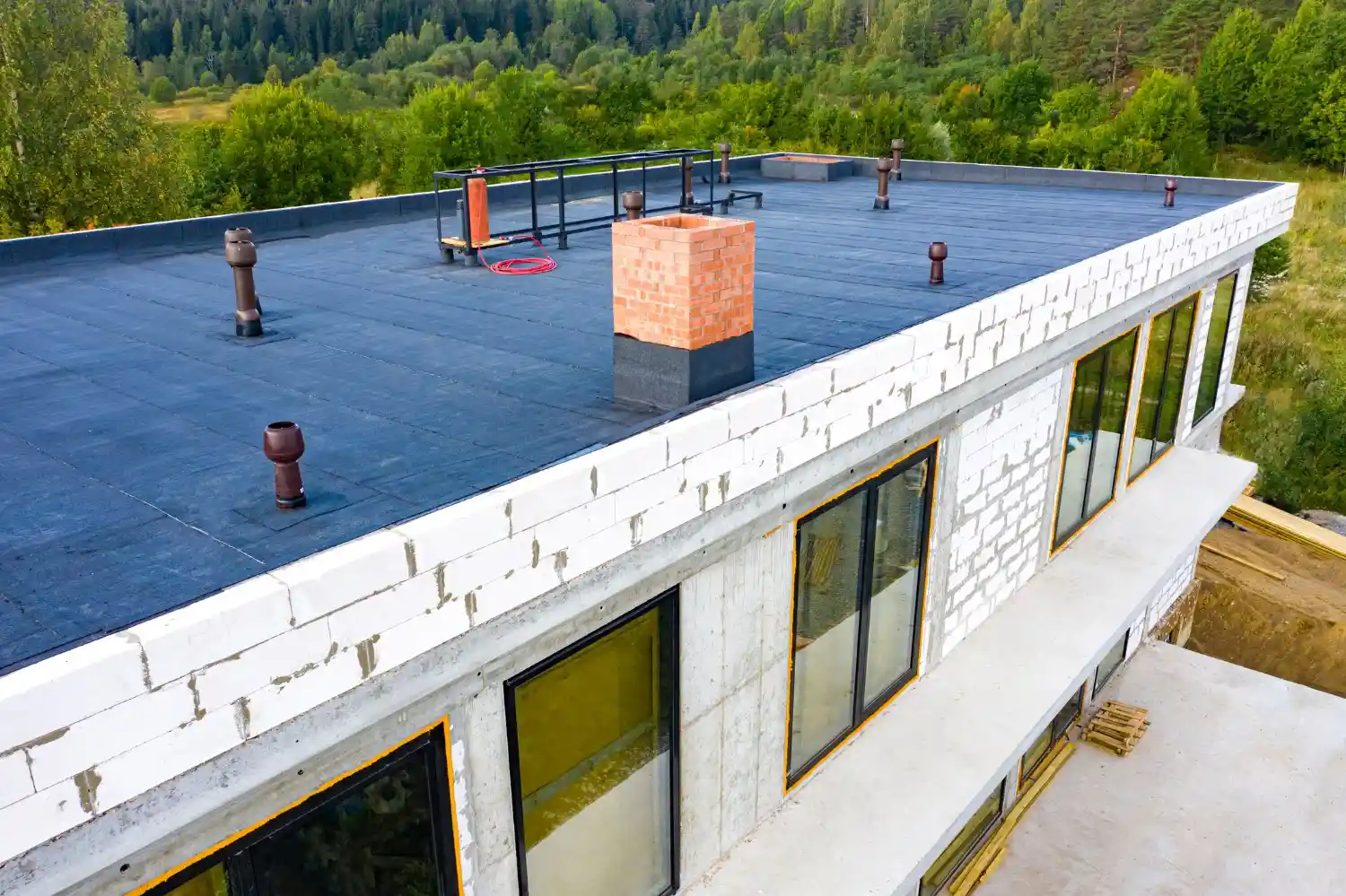
Silicone is the premier choice for roofs that experience ponding water or have low slopes where water does not drain immediately. Because silicone is inorganic, it does not degrade or break down under standing water, unlike acrylics. It offers superior UV stability and maintains high reflectivity over decades.
- Resists biological growth and fungal degradation.
- Permanent flexibility that accommodates building movement and thermal expansion.
- Solvent-free options that comply with strict environmental regulations.
Acrylic Coating Systems
For roofs with positive drainage and high UV exposure, acrylic elastomeric coatings provide a cost-effective shield against the sun. These water-based systems are highly reflective, bouncing a significant percentage of solar heat away from the building.
- Excellent tensile strength to withstand foot traffic.
- High albedo rating to reduce cooling loads on HVAC systems.
- Environmentally friendly formulation with low VOC emissions.
Polyurethane Coatings
When the roof requires exceptional durability and impact resistance, such as roofs with heavy equipment or frequent maintenance traffic, polyurethane is the preferred material. It creates a harder surface than silicone or acrylic.
- Superior abrasion resistance for high-traffic zones.
- high tensile strength for bridging gaps and cracks.
- Excellent chemical resistance for industrial environments.
The Execution Process: From Evaluation to Waterproofing
Applying a roof coating is not merely painting a surface; it is a manufacturing process occurring directly on your building. The success of the system depends entirely on surface preparation and adherence to manufacturer specifications. If the substrate is not properly prepared, adhesion will fail, and the coating will peel. We follow a rigorous, non-negotiable protocol to ensure the new membrane bonds permanently to the existing roof.
Detailed Assessment and Moisture Detection
Before any product is ordered, the roof structure must be analyzed for trapped moisture. Coating over wet insulation seals the water inside, causing rot and structural rust.
- Technicians conduct a physical inspection to identify open seams, punctures, and flashings that have pulled away.
- Infrared scans or moisture probes are used to map out wet insulation that must be removed and replaced before coating.
- Adhesion tests are performed on the existing membrane to determine if a primer is required and which coating chemistry will bond best.
Surface Preparation and Cleaning
A chemical bond cannot form on a dirty or chalky surface. Years of dust, oxidation, and environmental fallout in Hobbs must be removed.
- High-pressure washing is utilized to scour the surface, often using specialized biodegradable detergents to lift grease and pollutants.
- On metal roofs, rust is mechanically removed or treated with a rust-inhibiting primer to prevent bleed-through and further corrosion.
- The roof is allowed to dry completely to ensure no moisture is trapped under the new system.
Seam Reinforcement and Detailing
The majority of leaks occur at penetrations, curbs, and seams. These areas are treated before the field of the roof is coated.
- All flashings, drains, vents, and HVAC curbs are sealed with a thick, mastic-grade sealant.
- Seams on single-ply or metal roofs are reinforced with polyester fabric mesh embedded into the base coat, creating a "three-course" reinforced detail.
- Fasteners on metal roofs are tightened or replaced, and each fastener head is encapsulated in sealant.
Application of Base and Top Coats
Once the details are cured, the fluid-applied membrane is installed.
- A base coat is applied to the specified millage (thickness) to provide a foundation and bleed-blocking layer.
- If a fabric reinforced system is chosen, the polyester mesh is rolled into the wet base coat across the entire roof surface.
- The final top coat is applied in a cross-hatch pattern to ensure uniform coverage and eliminate pinholes.
- Final inspection involves checking wet film thickness (WFT) during application and dry film thickness (DFT) after curing to guarantee warranty compliance.
Analyzing the Decision: Restoration vs. Replacement
Building owners and facility managers often grapple with the choice between restoring the existing roof or paying for a full replacement. While a new roof is sometimes necessary, restoration is frequently the more logical financial and operational decision. Understanding the specific criteria for this decision helps in allocating capital budgets effectively , visit our blog.
Cost Efficiency and Tax Incentives
Restoration projects typically cost half to one-third of a complete tear-off and replacement. Furthermore, under current tax codes, roof maintenance and restoration can often be expensed as a repair in the year it is completed, whereas a new roof is a capital improvement that must be depreciated over 39 years.
- Restoration avoids the labor-intensive tear-off process.
- Disposal fees for sending old roofing materials to the landfill are eliminated.
- Energy savings from cool roof coatings provide a faster return on investment (ROI).
Speed and Convenience
A full roof replacement is a major construction project that involves noise, debris, and potential liability. It requires removing the old system, exposing the building interior to the elements temporarily.
- Coating applications generate minimal noise and no hazardous fumes, allowing your business to operate without interruption.
- The timeline for restoration is significantly shorter than replacement.
- The risk of interior damage from sudden storms during the project is negated since the old roof remains in place during application.
When Replacement is Required
Restoration is not a magic fix for a roof that has passed the point of no return. Replacement is the only viable option if:
- More than 25% of the underlying insulation is saturated with water.
- The structural deck (steel or wood) is severely compromised or rusted.
- The existing roofing system is failing to adhere to the deck.
Climate-Specific Considerations for Hobbs, NM
The environmental conditions in Hobbs present specific challenges to commercial roofing systems. The semi-arid climate, characterized by intense solar radiation and significant temperature fluctuations, accelerates the aging process of traditional roofing materials. Design Roof Services LLC tailors coating strategies to combat these specific local stressors.
UV Degradation and Thermal Shock
In high-altitude, high-sun environments, ultraviolet (UV) rays break down the chemical bonds in asphalt and single-ply membranes (like TPO or EPDM). This leads to chalking, cracking, and brittleness. Additionally, the temperature swing between peak daytime heat and cooler desert nights causes roofs to expand and contract violently. This "thermal shock" pulls seams apart and loosens fasteners.
- Elastomeric coatings act as "sunscreen" for the roof, reflecting up to 85% of UV rays.
- The flexibility of the coating accommodates thermal movement without cracking, maintaining a watertight seal even during rapid temperature shifts.
Protection Against Seasonal Storms
While precipitation averages are low, summer storms in New Mexico can be intense, bringing wind-driven rain and hail.
- Fluid-applied systems leave no seams for wind to lift or water to penetrate.
- Many coating systems carry Class 4 hail ratings, providing superior impact resistance compared to aged, brittle membranes.
Energy Efficiency in High Heat
Cooling costs are a major operational expense in Hobbs. A dark roof absorbs heat, transferring it into the building and forcing HVAC units to work harder.
- White, reflective coatings can lower roof surface temperatures by up to 50°F.
- Reduced heat transfer lowers internal ambient temperatures, reducing the strain on air conditioning units and prolonging their lifespan.
Professional Standards and Operational Differentiators
Selecting a contractor for commercial roof coating requires vetting their adherence to safety and quality standards. We operate with a focus on compliance and long-term asset protection. Our approach ensures that every project meets local building codes and manufacturer requirements for warranty issuance.
Code Compliance and Safety
Commercial roofing in New Mexico requires adherence to specific building codes regarding energy efficiency and wind uplift.
- We ensure all materials meet local fire ratings and energy code requirements.
- Safety protocols are strictly enforced, including fall protection and proper handling of materials to protect your employees and customers.
Warranty and Long-Term Support
A warranty is only as good as the installation quality. We provide manufacturer-backed warranties that cover both material and labor.
- Renewable warranties allow for the roof to be cleaned and recoated at the end of the warranty term, further extending the roof life indefinitely.
- Documentation of the installation, including thickness readings and material usage, is provided to validate the warranty.
Investing in a commercial roof coating system transforms a liability into a sustainable, energy-efficient asset. By sealing the building envelope against the specific climate challenges of Hobbs, you prevent costly water damage and reduce operational overhead. Our team is ready to evaluate your facility and determine the most effective restoration path.
Secure your commercial property with a professional roof analysis and coating application today.
Commercial Coating Services Delivered With Precision
Applying a commercial roof coating in Hobbs, NM, protects your building investment and improves system longevity. Design Roof Services LLC handles the full process, including prep, product application, and post-service review. Our team ensures coatings bond properly and deliver energy and surface performance benefits. Each project meets specifications and is managed by certified professionals. Extend usability through protective commercial-grade solutions.
Reinforce Commercial Roofing With Surface Coating Application

Customer Testimonials
Go With Experience