



Roof Asset Management in Hobbs, NM
Address roofing issues with our Roof Asset Management Program in Hobbs, NM. Gain budget control and extend roof life. Schedule your audit today!
Facing Roof Issues? Discover Our Comprehensive Roof Asset Management Program
Are you grappling with frequent roofing issues and unpredictable repair costs in the varied climate of Hobbs, NM? Contact us to schedule a comprehensive audit and secure the longevity of your commercial roofing system. Our Roof Asset Management Program is tailored to address and prevent common and severe roofing problems effectively before they impact your bottom line or interrupt daily operations.
By shifting from a reactive approach to a strategic management plan, you gain control over your facility's maintenance budget.
- Extend your roof's lifespan with our expert seasonal maintenance and inspection services.
- Prevent costly repairs with our proactive damage detection and immediate resolution.
- Enjoy peace of mind with comprehensive warranties and expertly guided maintenance solutions.
Licensed and insured, we ensure compliance with local building codes while offering flexible financing options for necessary capital improvements.
What You Get With a Dedicated Asset Management Plan
Roof asset management is more than just fixing leaks as they appear; it is a strategic business process intended to maximize the return on investment for your building’s envelope. In Hobbs, where the semi-arid climate subjects roofing materials to intense UV radiation and thermal shock, a passive approach often leads to premature failure. Our service provides a structured inventory and maintenance schedule that transforms your roof from a liability into a managed asset.
When you engage in a management program, the immediate scope involves a total digitization of your roof’s data. This includes mapping every penetration, flashing, and mechanical unit on the rooftop. You receive a clear, actionable baseline regarding the current condition of the membrane and insulation.
Core components of the program include:
- Detailed Inventory and Mapping: We create a CAD drawing or digital map of your roof system, identifying all sections, drainage points, and equipment curbs. This map serves as the foundation for all future maintenance logs.
- Condition Assessment Reports: You receive comprehensive reports detailing the current life expectancy of the roof, backed by photographic evidence of defects such as blistering, alligatoring, or open seams.
- Defect Categorization: We classify issues based on urgency. Critical safety hazards or active leaks are flagged for immediate action, while cosmetic or minor wear is scheduled for routine maintenance.
- Financial Forecasting: Design Roof Services LLC provides budget projections for the next one to five years. This allows facility managers to plan for minor repairs (OpEx) versus major restoration or replacement (CapEx) without surprise expenditures.
- Online Data Access: Many management plans include access to a portal where you can view your roof’s history, warranty documents, and upcoming service schedules at any time.
How the Management and Maintenance Process Works
Implementing a roof asset management strategy follows a rigorous, step-by-step methodology designed to gather data and execute repairs with minimal disruption to your building's occupants. The process moves from data collection to execution and long-term planning.
Initial Audit and Data Collection
- First, a team of certified inspectors conducts a physical audit of the entire roofing system. This is not a quick visual check; it involves core cuts to determine the composition of the roof assembly and infrared moisture surveys to detect trapped water within the insulation.
- Next, we verify the installation details against the manufacturer's original specifications to determine if existing warranties are still valid.
- Then, we inspect perimeter details, coping caps, and flashings, as these are the most common points of failure in high-wind events common to New Mexico.
Analysis and Strategy Formulation
- Once data is collected, we analyze the findings to assign a "grade" or condition index to the roof sections.
- We then develop a customized maintenance schedule. This schedule accounts for the specific roofing material (TPO, EPDM, Modified Bitumen, or Metal) and its aging characteristics.
- A customized scope of work is drafted for immediate repairs to bring the roof to a maintainable standard.
Execution and Routine Maintenance
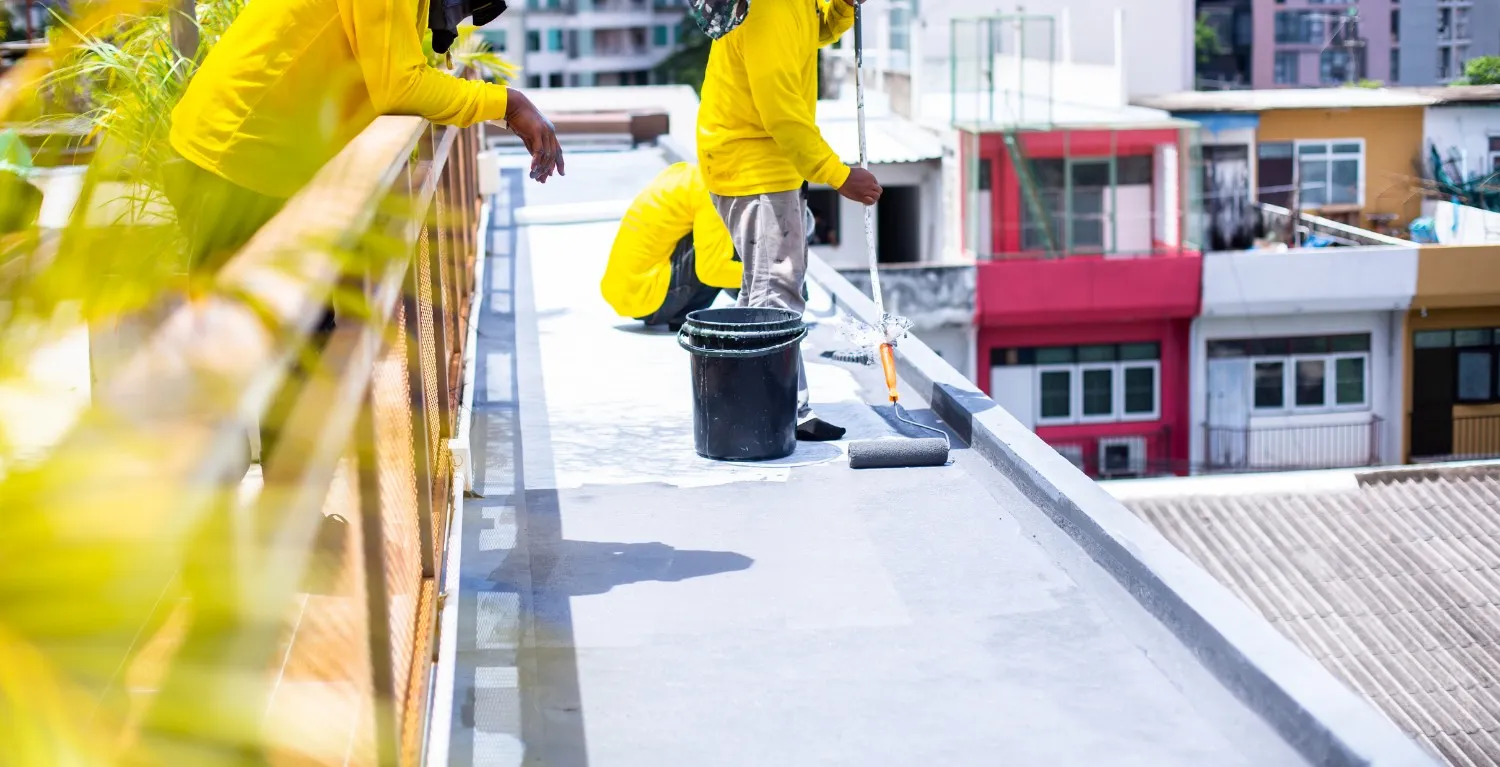
- The maintenance phase begins with clearing debris from drains, scuppers, and gutters to ensure positive drainage. Ponding water is a leading cause of membrane deterioration in flat roofs.
- Technicians perform "housekeeping" repairs, such as refilling pitch pans, caulking termination bars, and patching minor punctures found during the inspection.
- Finally, all activities are documented in the asset management log, ensuring a continuous history of care that proves invaluable for insurance claims or future property sales.
When to Replace vs. Repair: Making the Decision
A primary goal of asset management is extending service life, but there comes a point where repair is no longer economically viable. Making the distinction between a roof that can be restored and one that must be replaced is a critical financial decision. We utilize data-driven metrics to guide this choice, removing guesswork from the equation.
Indicators that repair and restoration are the right path:
- The roof is less than 15 years old and has been relatively well-maintained.
- Moisture surveys indicate that less than 20% of the insulation is saturated. In this scenario, wet insulation can be removed and replaced locally, preserving the rest of the system.
- The membrane is intact but the surface coating has degraded. A fluid-applied restoration system can often extend the warranty by 10 to 20 years at a fraction of the cost of tear-off.
- Leak history is isolated to specific areas, such as flashings or mechanical curbs, rather than systemic membrane failure.
Indicators that total replacement is necessary:
- The cost of necessary repairs exceeds 30-50% of the cost of a full replacement. Spending half the price of a new roof to patch an old one typically yields a poor return on investment.
- Core cuts reveal widespread moisture saturation. Trapped water reduces thermal efficiency and can degrade the structural deck, posing a safety risk.
- The membrane has become brittle and cracks under foot traffic. This signals that the chemical plasticizers in the material have completely evaporated, and patches will no longer adhere properly.
- The existing system has already been recovered (a second layer added). Building codes typically forbid a third layer, necessitating a complete tear-off.
Local Considerations: Weather and Regulations
Managing a roof in Hobbs requires specific attention to regional environmental factors and regulatory requirements. The local climate presents unique challenges that generic maintenance plans often overlook.
Climate-Specific Stressors
- Thermal Shock: The semi-arid climate results in high daytime temperatures and significant drops at night. This rapid expansion and contraction puts immense stress on seams and flashings. Our management plan emphasizes checking seam integrity and fastener back-out caused by thermal cycling.
- High UV Exposure: The intense New Mexico sun degrades roofing materials faster than in cloudier regions. We monitor the mil-thickness of membranes and the condition of reflective coatings to prevent premature UV cracking.
- Wind Uplift: High winds can peel back edge metal and scour loose gravel from built-up roofs. Regular inspections focus heavily on the perimeter securement to ensure the roof meets current wind uplift ratings.
Permits and Utilities
- Building Codes: Compliance with New Mexico building codes is mandatory for major repairs or reroofing projects. We handle the permitting process to ensure all work meets state and local standards.
- Energy Efficiency: Local energy codes may dictate specific insulation R-values or reflectivity standards for roof replacements. We guide you through these requirements to ensure compliance and potential eligibility for energy rebates.
- Utility Coordination: If roof work requires moving HVAC units or gas lines, we coordinate with local utility providers and mechanical contractors to ensure safety and code compliance.
The Financial Logic of Proactive Management
Adopting a proactive asset management strategy changes how your organization budgets for facilities. Instead of treating roofing as a surprise emergency expense, it becomes a predictable line item. This shift has significant implications for cash flow and asset value. Visit our roofing insights blog.
Capital Expenditure vs. Operating Expense
- Routine maintenance is typically categorized as an operating expense (OpEx), which is often easier to approve and manage than large capital expenditures (CapEx).
- By extending the life of the roof through OpEx spending, you delay the massive CapEx hit of a full replacement, allowing you to invest that capital elsewhere in your business.
- Detailed records of maintenance validate the asset's value. If you choose to sell the building, a documented history of professional roof management provides leverage and assurance to potential buyers.
Warranty Preservation
- Most manufacturer warranties specifically state that the building owner must perform and document regular maintenance to keep the warranty valid. Negligence can void coverage.
- Our program ensures that all conditions of your manufacturer’s warranty are met. We act as your advocate if a warranty claim is necessary, providing the documentation required to prove that the failure was a material defect rather than a lack of care.
- We also help you identify when a repair should be covered by the manufacturer, saving you from paying for work that is rightfully the manufacturer's responsibility.
Securing Your Facility’s Future
Your roof is likely the most expensive building component to replace. Ignoring it until water enters the building is a strategy that guarantees disruption and inflated costs. By partnering with a dedicated service provider for asset management, you ensure that your roof performs reliably year after year, regardless of the harsh weather conditions in Hobbs.
Design Roof Services LLC is ready to help you take control of your roofing assets. Whether you manage a single facility or a portfolio of properties, our comprehensive management program provides the data, maintenance, and strategic planning necessary to maximize service life and minimize unexpected costs.
Stop reacting to leaks and start managing your assets. Contact us today to initiate your roof management assessment.

Customer Testimonials
Go With Experience