




Stop Water Intrusion With Immediate Flashing Repair
Facing urgent roof issues due to recent storms or noticing sudden leaks near your chimney or vents? You are not alone; the unique climate in Loving, NM challenges roof components, specifically flashing, more than you might expect. If you suspect a breach in your roof's defense, call us immediately to schedule an emergency inspection.
Design Roof Services LLC provides comprehensive solutions to seal your home against the elements. We understand that water damages compounds quickly, turning a minor drip into a major structural renovation if left unaddressed.
- Get 24/7 emergency response for all roofing needs.
- Expert repair and replacement to prevent future damage.
- Quick, reliable service with a satisfaction guarantee.
All services are fully licensed, insured, and compliant with local building codes.
Immediate Roofing Solutions for Unexpected Leaks
Roof flashing is the unsung hero of your roofing system. It consists of thin pieces of impervious material installed to prevent water from passing into a structure from a joint or as part of a weather-resistant barrier system. In the Loving area, intense UV exposure and rapid temperature shifts often cause these metal components to warp, rust, or detach long before the shingles themselves fail. When a leak appears, it is rarely in the middle of a flat shingle; it is almost always at a transition point where flashing has failed.
We address the root cause of these leaks immediately. Most homeowners do not realize that a water stain on the ceiling often originates from a flashing failure ten feet away from the visible damage. Water travels along trusses and beams before dripping. Our team specializes in tracing these complex paths back to the source. Whether the issue is a rusted valley, a detached apron, or a compromised chimney cricket, we arrive equipped to stop the water ingress immediately.
Our approach focuses on the critical "weak points" of the roof:
- Chimneys: Where the masonry meets the roof deck.
- Vent Pipes: The rubber boots or lead jacks surrounding plumbing vents.
- Valleys: The V-shaped channels where two roof slopes meet.
- Skylights: The perimeter seals that often dry out and crack.
- Walls: Step flashing where the roof meets a vertical wall.
Ignoring these issues leads to rotted decking, compromised insulation, and mold growth. We provide the immediate intervention required to secure the building envelope and protect the interior of your property.
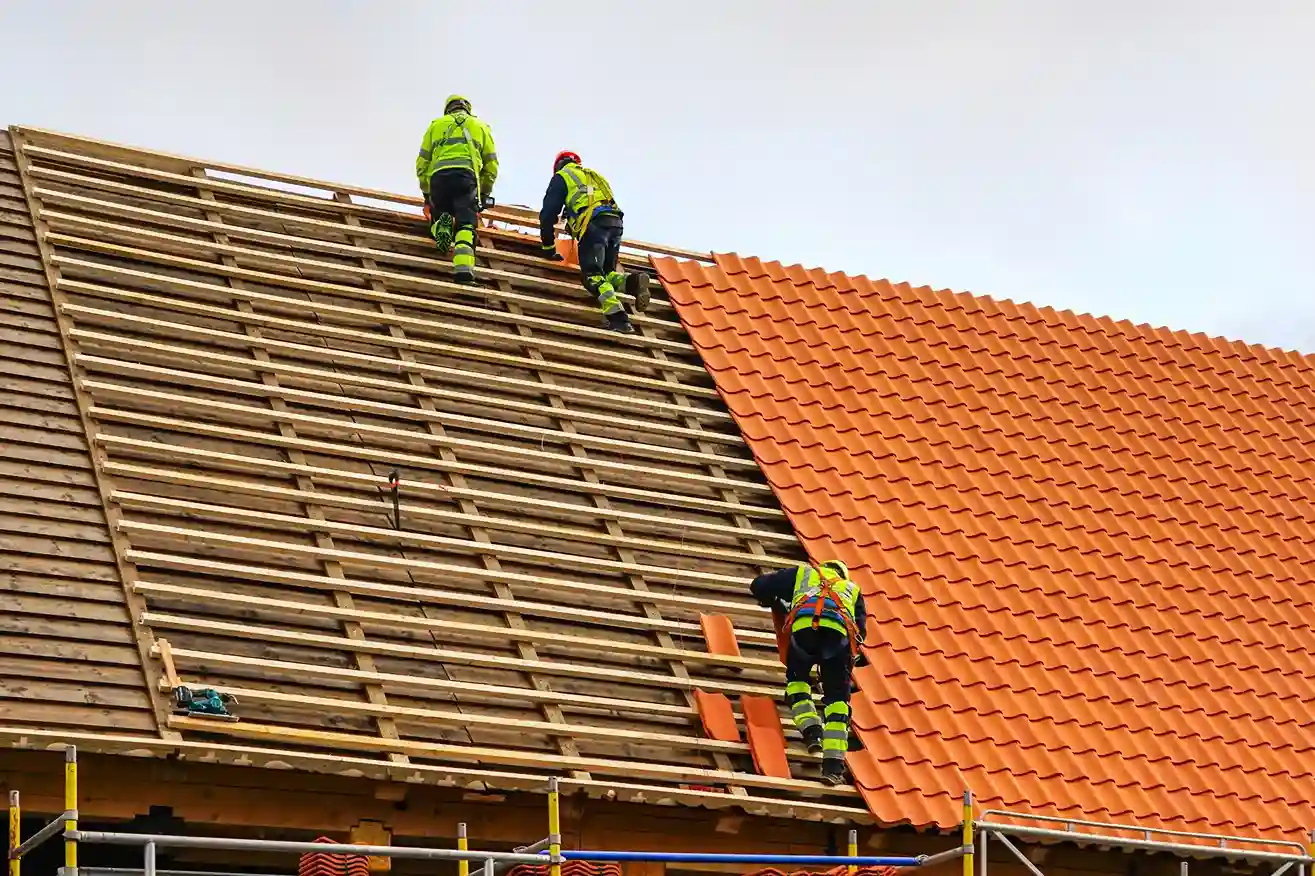
Emergency Services Available Within Hours: What to Expect
When water is entering your home, you need clarity on the timeline and the scope of work. We prioritize emergency calls because we understand that active leaks cannot wait for business hours. Upon contacting us, you can expect a streamlined response designed to mitigate damage first and repair permanently second.
The immediate scope of work often involves:
- Rapid Assessment: We deploy a team to Loving to physically inspect the roof. We do not rely on drone footage alone; we get on the roof to manually check the integrity of the metal seals.
- Temporary Mitigation: If the weather is still active (rain is falling), we install emergency tarping or temporary sealants to stop the water immediately. This buys time for a proper, dry-weather repair.
- Damage Documentation: We photograph all damage, including rusted metal, lifted shingles, and water tracks. This documentation is vital for your records.
Once the immediate threat is neutralized, we move to the permanent repair phase. You will receive a clear outline of what needs to be replaced. We do not believe in slathering roof cement over a problem and calling it a day. While sealants have their place, they are temporary. Our standard service involves removing the surrounding shingles, tearing out the defective flashing, and installing new, custom-bent metal integrated properly with the underlayment.
Materials matter in this phase. We utilize high-grade materials suited for the New Mexico environment:
- Galvanized Steel: Durable and cost-effective, often coated to resist rust.
- Aluminum: Resistant to corrosion and easy to form around complex shapes.
- Copper: The longest-lasting option, which develops a patina over time and acts as a natural fungicide.
- Lead: typically used for plumbing vent stacks due to its malleability.
Our Roof Flashing Repair Process Explained
Correctly installing or repairing flashing is a surgical process. It requires disrupting the surrounding roofing material to access the deck, installing the new metal, and then reintegrating the shingles so the roof remains watertight. A mistake here—such as nailing the bottom of step flashing—can effectively guarantee a future leak.
We follow a rigorous protocol to ensure every repair holds up against wind and rain:
Site Preparation and Protection
- We begin by securing the area around the house to protect landscaping and outdoor furniture from falling debris.
- Safety gear is deployed to ensure our technicians can work efficiently and safely on the roof.
Removal of Compromised Materials
- Technicians carefully remove shingles surrounding the affected area. We aim to preserve as many original shingles as possible to match the existing roof aesthetic, though damaged shingles are discarded.
- The old, damaged flashing is pried up and removed. We inspect the wood decking underneath for signs of rot. If the wood is soft or wet, it must be replaced before new metal is installed.
Waterproofing and Underlayment
- Before the metal goes down, we install a self-adhering ice and water shield directly to the deck. This provides a secondary barrier that seals around the nails used to secure the flashing.
- This step is critical in valleys and around penetrations, acting as a gasket between the metal and the wood.
Custom Metal Installation
We measure and cut the new flashing on-site or in our metal shop to ensure a perfect fit.
- Step Flashing: For wall intersections, we install individual pieces of metal for every course of shingles. This "step" method ensures water is directed on top of the shingle below it, utilizing gravity to shed water away.
- Counter Flashing: For brick chimneys, we cut a reglet (a groove) into the mortar, insert the metal, and seal it. This prevents water from running behind the metal.
- Valley Flashing: We install a "W" valley or V-valley metal piece that allows water to flow freely while preventing it from rushing under the shingles on the opposite slope.
Re-shingling and Sealing
- New or salvaged shingles are installed over the flashing. We ensure nails are placed outside the critical water channels.
- High-grade exterior sealant is applied only where necessary, such as on exposed nail heads or at complicated junctions, to provide a final layer of protection.
Final Inspection and Water Test
- Once assembly is complete, we conduct a final visual inspection.
- In some cases, we perform a controlled water test to verify the repair is 100% watertight before leaving the property.
Determining When You Need More Than Just a Repair
Homeowners often ask if a patch job is sufficient or if the entire flashing system needs replacement. The answer depends on the age of the roof, the extent of the damage, and the material condition. While Design Roof Services LLC aims to be as cost-effective as possible, we will not recommend a repair that will fail in six months.
You likely need a full replacement of the flashing system (and potentially the surrounding roofing) if:
- Widespread Corrosion: If the flashing is rusted through in multiple areas, it indicates the galvanization has failed completely. Patching one hole will not stop rust from opening a new hole inches away next week.
- Improper Original Installation: We frequently encounter roofs where the flashing was never installed correctly to begin with—for example, "continuous" flashing used instead of "step" flashing against a wall. In this case, the entire run must be ripped out and redone to meet code.
- Re-roofing History: If the roof was replaced previously but the old flashing was reused to save money, that metal is likely at the end of its life. Flashing should generally be replaced whenever the shingles are replaced.
- Structural Movement: If the house has settled or shifted, pulling the flashing away from the brick or siding, simple caulking is insufficient. The metal must be re-formed and re-secured to accommodate the new geometry of the structure.
- Bitumen Degradation: On flat roofs, if the membrane flashing has become brittle, cracked, or "alligatored" from UV exposure, it cannot be patched effectively. The section must be cut out and replaced.
Conversely, a simple repair is often appropriate if the damage is localized—such as a single wind-damaged vent boot or a piece of counter-flashing that has come loose due to a failed mortar joint.
Understanding Local Roofing Requirements in Loving, NM
Roofing in Loving involves specific challenges dictated by the high-desert geography. The most significant factor is thermal shock. During the summer, roof surface temperatures can soar during the day and drop significantly at night. This expansion and contraction cycle puts immense stress on metal flashing and the sealants used to bond them.
- Thermal Movement: We use installation techniques that allow for thermal movement. Nailing flashing too tightly without allowing for expansion can cause the metal to buckle or tear. We utilize clips and floating installation methods where appropriate to accommodate this shift.
- UV Resistance: Standard rubber boots for plumbing vents often disintegrate within a few years under the New Mexico sun. We recommend lead or UV-resistant synthetic collars that last significantly longer.
- Wind Uplift: Thunderstorms in the area bring high winds. Flashing must be mechanically fastened according to strict patterns to prevent it from acting like a sail and ripping off, which would expose the roof deck to torrential rain.
Permits and codes are also a major consideration. All significant structural repairs and flashing replacements must adhere to local building codes. This ensures that the water management system of the roof is up to standard and will pass inspection if you ever decide to sell your home. We handle the verification of code requirements, ensuring that specific mandates regarding drip edge installation and valley lining are met.
Furthermore, we account for the specific drainage patterns required for local homes. Flat roofs, common in the region, rely entirely on perimeter flashing and scuppers to evacuate water. If these are undersized or blocked, water pools on the roof (ponding), accelerating material breakdown. We verify that all flashing directs water effectively toward drainage points, preventing standing water issues.
Why Choose Us: Our Commitment to Loving, NM Homes
Selecting a contractor for flashing repair is a decision that impacts the longevity of your entire home. The integrity of your roof is only as good as its weakest joint. We pride ourselves on precision and transparency. We do not upsell unnecessary services; we identify the leak, explain the physics of the failure, and propose a durable solution.
- Licensed and Insured: We operate with full professional licensing, protecting you from liability.
- Detailed Diagnostics: We don't guess. We trace leaks to their source using experience and logic.
- Material Quality: We use heavy-gauge metals and top-tier sealants designed for the Southwest climate.
- Workmanship Warranty: We stand behind our installations. If our repair fails, we make it right.
Ready to Stop Roof Leaks Now?
Your roof protects your biggest investment. Don't let a small flashing failure turn into a mold remediation project. Secure your home against the elements with professional intervention.
Protect your property from water damage—Contact Design Roof Services LLC today to schedule your evaluation.

Customer Testimonials
Go With Experience