




Storm Damage Repair in Loving, NM
Our specialists in Loving offer immediate assistance and expert full-scale restoration services for storm damage at your doorstep. Call now to protect your home.
Immediate Help for Severe Weather Damage on Your Property
Struck by sudden storm damage? Our 24/7 emergency response team in Loving, NM, offers rapid and reliable repair services to secure your property immediately, so contact us now for emergency tarping and financing options. Design Roof Services LLC understands that when severe weather hits, the safety of your home is compromised, requiring swift action to mitigate risks and prevent secondary issues like mold or structural rot.
- Fast onsite arrival to prevent further damage.
- Certified experts manage all repair and claims processes.
- Complete restoration using advanced techniques and materials.
All repairs are backed by robust warranties and are fully compliant with local building codes.
Comprehensive Storm Damage Restoration Services
When a storm moves through the area, the aftermath can range from obvious structural breaches to subtle, hidden compromises in your roofing system. Our service focuses on two critical phases: immediate mitigation and permanent restoration. The goal is not just to patch a hole but to return the building to its pre-storm condition—or better.
We begin with emergency stabilization. If your roof has been penetrated by falling debris, stripped of shingles by high winds, or battered by hail, leaving it exposed is not an option. We deploy crews to install emergency tarps and board-ups. This temporary shield prevents water from entering the home during subsequent rainfall, protecting your insulation, drywall, and electrical systems while the permanent repair plan is finalized.
Once the property is secure, we move to a forensic-level assessment. Storm damage is not always visible from the ground. High winds can lift shingles and break the adhesive seal without removing the shingle entirely. This "lifted shingle" phenomenon allows wind-driven rain to seep underneath, rotting the decking over time. Similarly, hail impacts can bruise the matting of a shingle, displacing the granules that protect against UV rays. Over time, these bruised spots degrade, leading to premature failure. Our assessment identifies every point of failure to ensure the scope of work covers everything required for a full recovery.
Identifying Wind Damage
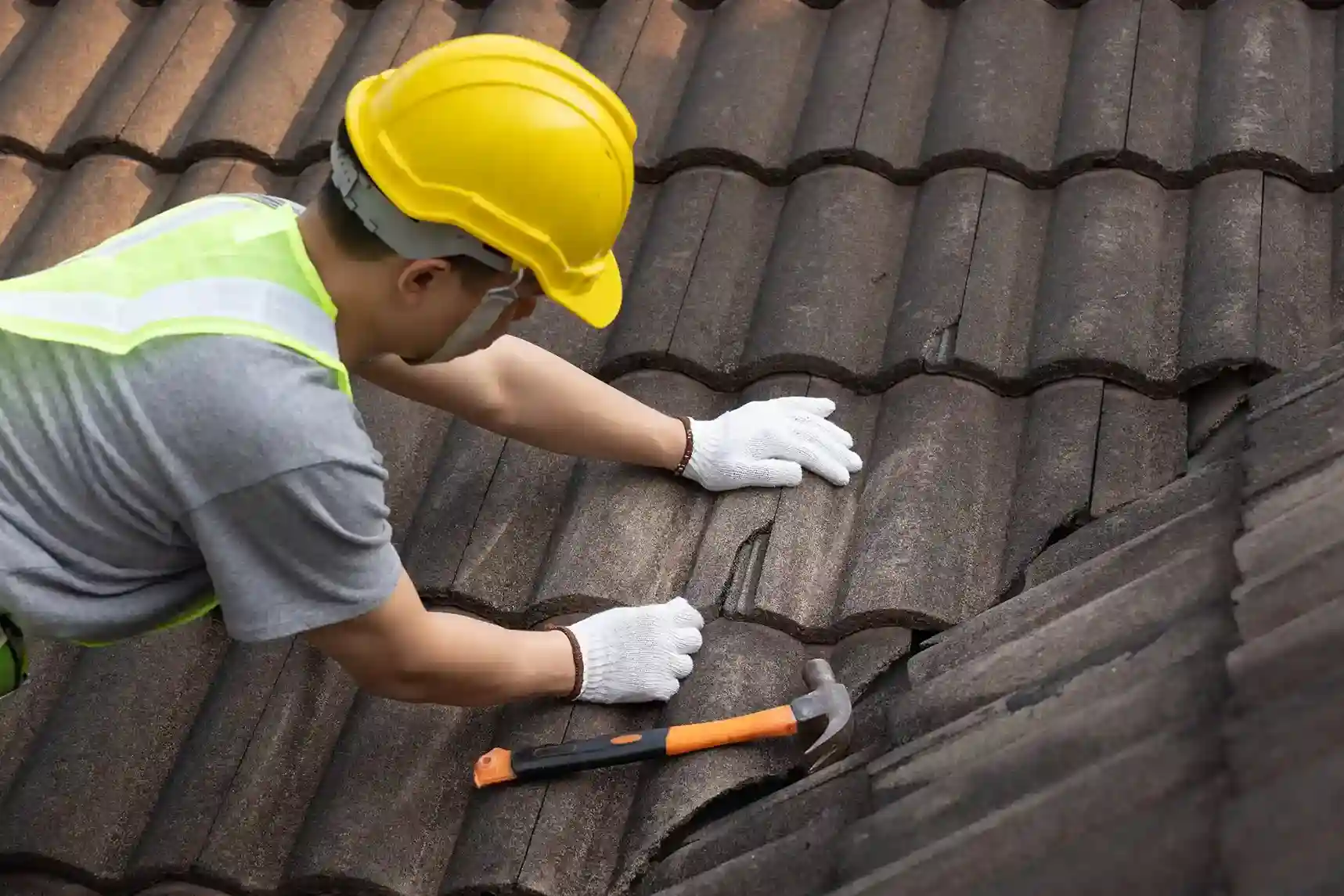
Wind damage manifests in several ways depending on the velocity and direction of the gust. You might notice creased shingles, which indicate that the material was bent backward by the wind. Missing shingles are the most obvious sign, but we also look for debris marks and damaged flashing. In severe cases, wind can tear guttering away from the fascia or damage roof vents, compromising the intake and exhaust systems of your attic.
Identifying Hail Impact
Hail damage is deceptive. It may not look like much to the untrained eye, but it significantly shortens the lifespan of a roof. We look for distinct impact marks where granules are missing, exposing the asphalt layer. We also inspect soft metals on the roof, such as box vents, turtle vents, and flashing. If there are dents in the metal, there is almost certainly corresponding damage to the shingles. Our team documents this evidence thoroughly, as it is critical for justifying a full replacement or extensive repair during insurance discussions.
Water Intrusion and Leaks
The most dangerous outcome of storm damage is water intrusion. Water follows the path of least resistance, meaning a leak in one area of the roof may manifest as a stain on a ceiling in a completely different room. We trace the moisture path to its source. This involves checking the underlayment, the condition of the decking, and the integrity of valleys where water collects. Addressing the moisture immediately is vital to prevent the growth of mold and mildew, which can become a health hazard in the Loving area heat.
The Restoration and Claims Process
Navigating a storm damage project involves more than just swinging hammers; it involves navigating complex insurance paperwork and logistical planning. We handle the heavy lifting to ensure the process moves smoothly from the initial shock of the damage to the final cleanup.
- Emergency Assessment and Documentation: The first step is a thorough inspection. We document every square inch of damage with photos and notes. This documentation is essentially the evidence package used to verify the scope of work. We distinguish between old wear-and-tear and fresh storm damage, which is a crucial distinction for accurate processing.
- Scope Verification: We review the scope of work required to fix the property. This includes identifying the correct materials. If your current roof uses discontinued shingles, a simple patch job may not be feasible or code-compliant. We verify whether a partial repair is sufficient or if the damage warrants a full replacement based on material availability and manufacturer specifications.
- Material Selection and Prep: Once the scope is defined, we help you select materials. Modern roofing materials offer better impact resistance and wind ratings than those manufactured a decade ago. We strip the damaged areas down to the deck to inspect for rot. We do not recover over wet or damaged materials.
- Execution and Installation: Our crews install the new system according to current manufacturer guidelines. This includes installing ice and water shields in valleys and eaves, proper starter strips for wind resistance, and correct nailing patterns to ensure the warranty is valid.
- Final Inspection and Cleanup: A job site is not clear until it is safe. We use magnetic sweeps to collect nails and debris from your lawn and driveway. A final inspection ensures that flashing is sealed, vents are clear, and the roof is ready to withstand the next weather event.
Repair vs. Replacement: Making the Right Decision
After a storm, property owners often face the decision of whether to repair a specific section or replace the entire system. This decision relies on several technical factors.
- Age of the Roof: If your roof is nearing the end of its expected lifespan (typically 20-25 years for standard asphalt shingles), a repair may be throwing good money after bad. Storm damage on an old, brittle roof is difficult to repair because the surrounding shingles break when manipulated to install new ones. In these cases, replacement is usually the more fiscally responsible choice.
- Extent of Damage: There is a "tipping point" in repair costs. If 30% or more of the roof surface is damaged, the cost to repair each section individually often approaches the cost of a full replacement. Additionally, a roof with patches all over it may suffer from mismatched colors and uneven aging, affecting the property's resale value.
- Code Requirements: Local building codes may dictate that if a certain percentage of the roof is repaired, the entire slope or the entire roof must be brought up to current code. This often necessitates a replacement to ensure compliance with modern ventilation and impact standards.
- Future Insurability: Insurance carriers look at the condition of the roof when writing policies. A roof that has been patch-repaired multiple times may be viewed as a high risk, potentially affecting premiums or coverage eligibility. A full replacement resets the clock on the roof’s life and provides a fresh warranty.
Navigating Local Climate Challenges
Operating in Loving, NM, requires a specific understanding of the high-desert climate and how it interacts with roofing systems. The weather patterns here create unique stress points for building materials.
- Thermal Shock: We experience significant temperature fluctuations. The region sees hot summers with temperatures frequently exceeding 90°F, followed by cooler nights. This rapid expansion and contraction of roofing materials is known as thermal shock. It can cause shingles to blister or crack and flashings to pull away from brick or siding. When repairing storm damage, we use materials with high flexibility and thermal stability to withstand this cycle.
- Monsoon Season: The annual precipitation of 10-12 inches arrives mostly during thunderstorms from July through September. These storms are often intense, dumping large amounts of water in a short period. This leads to flash flooding on flat roofs or overwhelmed gutters on sloped roofs. Our repairs focus heavily on water diversion—ensuring crickets, valleys, and gutters are sized correctly to handle high-volume downpours without backing up under the shingles.
- UV Degradation: The low relative humidity and high altitude mean UV radiation is intense. UV rays dry out the volatile oils in asphalt shingles, making them brittle over time. When a hail storm hits a UV-degraded roof, the damage is far more severe than on a new roof. We recommend and install materials designed with UV-resistant granules to prolong the life of the repair.
- Wind Resistance in Open Areas: The geography around the area is open, allowing wind to build up speed before hitting structures. Standard wind ratings are often insufficient. We utilize six-nail installation patterns and reinforced starter strips to ensure the roof edge—the primary point of failure in wind storms—remains secure during gusts.
Why Professional Storm Restoration Matters
Attempting to handle storm damage with general contractors or handyman services often leads to overlooked issues. Storm restoration is a specialized field that sits at the intersection of construction and insurance expertise. Design Roof Services LLC brings a focused approach to these projects.
The difference lies in the details. A general repair might cover a hole, but a certified storm restoration ensures that the decking underneath is dry, the flashing is integrated correctly to prevent future leaks, and the ventilation remains balanced to prevent attic moisture buildup. We understand that after a storm, you are likely inundated with offers from out-of-town "storm chasers" who arrive, patch quickly, and leave. Our focus is on long-term stability and local reputation.
We prioritize using Class 4 Impact Resistant shingles where appropriate. These materials are tested to withstand the impact of steel balls dropped from varying heights, simulating hail. Installing this grade of material not only provides better protection against the next storm but may also qualify property owners for reductions in insurance premiums depending on their carrier.
Furthermore, we manage the logistics of immediate safety. If your home has suffered structural damage, we can coordinate the necessary trades to ensure that the roof repair integrates seamlessly with siding, gutter, and window repairs. This single-point accountability reduces the stress on the homeowner and ensures that no detail falls through the cracks between different contractors.
Safety First
Storm-damaged roofs are hazardous environments. Loose granules act like ball bearings, making the surface incredibly slippery. Structural integrity may be compromised in ways that are not visible. Our team is trained in safety protocols to navigate these environments without causing injury or further damage to the property. We utilize safety harnesses, roping systems, and ladder stabilizers to perform inspections and repairs efficiently and safely.
The Importance of Timing
Waiting to address storm damage is a critical error. The clock starts ticking the moment the storm passes. Moisture that enters the roof system begins to degrade insulation immediately. Wet insulation loses its R-value (thermal resistance) and becomes a breeding ground for mold within 24 to 48 hours. By engaging a professional team immediately, you arrest this cycle of degradation. We provide the documentation needed to prove to your insurance carrier that you took the necessary steps to mitigate loss, which is a requirement in most policies.
Comprehensive Warranty Protection
A repair is only as good as the guarantee behind it. Because we adhere to strict manufacturer installation guidelines, our work is backed by strong warranties. This covers both the materials installed and the workmanship. If a defect arises or if a repair fails under normal conditions, you have a local contact ready to address the issue. This peace of mind is essential when recovering from the chaos of severe weather.
Call Us Now!
When the skies clear and the damage is evident, you need a partner who can move fast and work correctly. We provide the expertise, the local knowledge, and the technical skill to turn a disaster into a restored, secure home.
Secure your property and protect your investment today. Contact our team to schedule your comprehensive storm damage assessment.

Customer Testimonials
Go With Experience