



Commercial Roof Replacement in Loving, NM
Opt for professional Commercial Roof Replacement in Loving, NM to enhance building efficiency and protect against harsh weather. Schedule your assessment today!
Protect Your Business with Expert Commercial Roof Replacement
Facing the harsh summer heat or stormy weather in Loving, NM, can take a toll on your commercial roof, leading to leaks, energy loss, and structural concerns. Contact Design Roof Services LLC today to schedule a comprehensive assessment or discuss financing options for your property.
Commercial properties in this region face specific environmental challenges, from intense UV radiation to sudden high winds. Ignoring signs of degradation can lead to compromised inventory, halted operations, and significantly higher repair costs down the line. A timely replacement secures your asset and improves the overall efficiency of your building envelope.
- Maximize energy efficiency with reflective roofing materials designed for sun-exposed environments.
- Benefit from robust roofing that withstands up to 140 mph winds, ensuring long-term protection.
- Choose from a range of materials with warranties up to 50 years for peace of mind and reliability.
All installations comply with local building codes, backed by comprehensive warranties and flexible financing options.
Ensure Durability and Efficiency with the Right Roofing Material
Selecting the correct material for a commercial facility is a technical decision that impacts your operating costs for decades. In the high-desert climate surrounding Loving, the primary adversary to your roof’s lifespan is thermal shock. This occurs when roofing materials expand rapidly during 90°F+ days and contract sharply during cooler nights. Over time, materials that lack flexibility will crack, split, or pull away from flashings. Furthermore, the intense solar radiation requires materials with high solar reflectance index (SRI) ratings to keep cooling costs manageable.
- Thermoplastic Polyolefin (TPO): TPO is a single-ply membrane that offers exceptional heat reflection. The white surface reflects the majority of UV rays, preventing heat transfer into the building. This is particularly effective for warehouses or retail spaces where HVAC systems work overtime during the summer. TPO is also resistant to chemical exposure, making it suitable for industrial facilities.
- Ethylene Propylene Diene Monomer (EPDM): Often referred to as "rubber roofing," EPDM is renowned for its durability against hail and debris. While traditional black EPDM absorbs heat, modern formulations and coatings allow for better energy efficiency. Its greatest strength lies in its elasticity, allowing it to stretch and contract without failing during rapid temperature shifts common in New Mexico.
- Metal Roofing Systems: Commercial metal roofing offers longevity that far exceeds most membrane systems. When properly coated with Kynar or similar reflective finishes, metal roofs shed heat effectively. They are also engineered to withstand high wind uplift, a critical factor during seasonal storms. Metal requires minimal maintenance and is fire-resistant.
- Modified Bitumen: This material is an evolution of the traditional built-up roof (tar and gravel). It consists of reinforced asphalt sheets that are exceptionally tough. Modified bitumen is ideal for roofs with high foot traffic, such as buildings with heavy rooftop HVAC equipment requiring frequent maintenance.
Commercial Roof Replacement Services: What to Expect
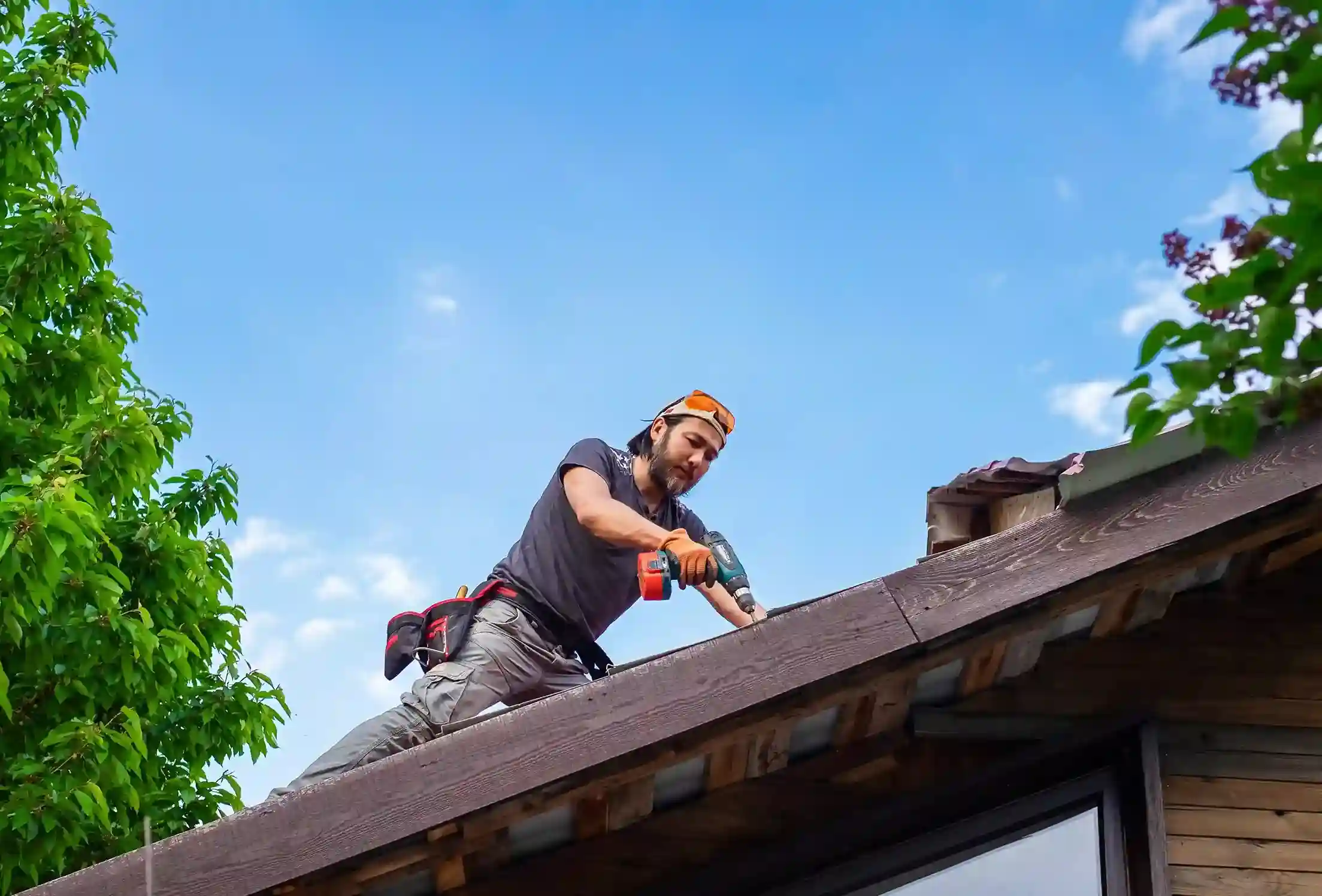
A commercial roof replacement is a major construction project that requires precise logistics to minimize disruption to your daily operations. The scope of work goes beyond simply laying down new material; it involves a holistic approach to the building’s structural integrity and thermal envelope.
The process begins with a detailed analysis of the existing substrate. In many cases, old insulation has become saturated with moisture, losing its R-value and becoming a breeding ground for mold. A complete replacement ensures that wet insulation is removed and replaced with high-density ISO boards that meet current energy codes. This upgrade often results in immediate utility savings.
Safety and site management are paramount. A professional crew establishes clear perimeter warnings and debris containment zones. This is essential for protecting your employees, customers, and vehicles from falling debris during the tear-off phase. The logistics plan also covers the staging of materials. Heavy pallets of membrane and insulation must be loaded onto the roof strategically to avoid overloading specific structural points.
Furthermore, drainage is re-evaluated during a replacement. Over time, buildings settle, creating low spots where water ponds. Standing water is a primary cause of premature roof failure. During replacement, tapered insulation systems can be installed to create a positive slope, directing water efficiently toward scuppers and drains, ensuring that even during heavy sudden downpours, water clears the roof immediately.
Our Roof Replacement Process: Step-by-Step Guide
Executing a flawless installation requires a strict adherence to manufacturer specifications and safety protocols. Shortcuts during the installation phase are the leading cause of warranty voidance.
- Site Preparation and Safety Setup: First, the crew secures the perimeter and protects landscaping, AC units, and entryways. Dumpsters are positioned for efficient waste removal. Safety harnesses and fall protection systems are rigged according to OSHA standards.
- Tear-Off and Deck Inspection: Next, the old roofing system is removed down to the structural deck. This step is critical because it reveals the true condition of the structure. Design Roof Services LLC inspects the steel, wood, or concrete deck for rust, rot, or cracks. Any compromised decking is repaired or replaced before proceeding.
- Insulation and Cover Board Installation: Layers of rigid insulation are mechanically attached or adhered to the deck. A cover board is often installed over the insulation to provide a hard surface that protects the soft insulation from hail damage and foot traffic.
- Membrane Installation: The selected roofing membrane (TPO, EPDM, etc.) is rolled out. Depending on the system, seams are either heat-welded or chemically adhered. Heat-welded seams create a monolithic structure that is impervious to water, creating a bond stronger than the sheet itself.
- Flashing and Penetration Sealing: This is the most labor-intensive and critical part of the process. Every pipe, vent, skylight, and HVAC curb must be flashed. Pre-fabricated boots and custom flashing details are used to ensure these vulnerable points are watertight.
- Final Inspection and Cleanup: Finally, a technical inspection is conducted to probe seams and check flashings. The site is cleared of all debris, and a magnetic sweep is performed to remove nails or metal screws from the parking area.
Deciding Between Roof Repair and Replacement: A Business Owner’s Guide
Determining whether to invest in a full replacement or attempt another repair is a financial decision driven by data. While repairs are cheaper upfront, throwing money at a failing system often costs more over a three-to-five-year period.
- Age of the Roofing System: Most commercial roofs have a lifespan of 20 to 30 years. If your roof is approaching or has surpassed this age, the material has likely become brittle. Repairing a brittle membrane is difficult because the new patch may not bond effectively to the degrading surface.
- Saturation of Insulation: If moisture surveys or core cuts reveal that more than 25% of the insulation is saturated, replacement is generally required. Wet insulation ruins the thermal efficiency of the building and can rust steel decks or rot wood decks from the inside out. Trapped moisture can also cause blistering in the membrane during hot days in Loving.
- Frequency and Cost of Leaks: Track your repair expenses. If you are calling for service after every rain event, the "nickel and dime" costs of service calls, interior damage, and disrupted operations justify the capital expenditure of a replacement.
- Energy Costs: If your energy bills have been steadily climbing, your roof may be to blame. Old, dark roofs absorb heat, and wet insulation acts as a thermal bridge, pulling heat into the building. A new, reflective "cool roof" can significantly lower cooling loads.
- Business Continuity: Consider the risk to your assets. If a roof failure could damage expensive equipment, sensitive inventory, or shut down production lines, the security of a new roof with a manufacturer’s warranty outweighs the risk of relying on an old system.
Understanding Loving’s Roofing Requirements: Permits and Seasonal Tips
Operating in Loving and the surrounding county requires adherence to specific regulations and an understanding of the local climate patterns. Commercial roofing is not a "wild west" industry; it is governed by codes designed to ensure public safety and building performance.
Permitting and Code Compliance
- Commercial roof replacements typically require a building permit. This process ensures that the proposed system meets current codes regarding wind uplift resistance, fire ratings, and insulation R-values. The wind uplift requirement is particularly important given the open terrain and potential for high-velocity wind gusts in the area.
Energy Conservation Codes
- New Mexico follows energy codes that may mandate a minimum amount of insulation during a roof replacement. This often means adding more thickness than what was originally installed, which requires adjusting curb heights for HVAC units to maintain proper flashing heights.
Seasonality and Installation Timing
- While roofing can be performed year-round, materials react differently to temperatures. Adhesives, for example, have specific temperature ranges for application. Installing in the extreme heat of summer requires adjustments to work schedules to ensure crew safety and material performance. Spring and Fall offer the most stable weather windows.
Monsoon Preparation
- The region experiences a monsoon season characterized by sudden, heavy rainfall. A replacement project scheduled during this time requires strict "night seal" protocols. This means the crew must ensure the roof is completely watertight at the end of every work shift, never leaving open sections exposed overnight.
Why Choose Us: Our Track Record and Local Commitment
When you select a contractor for a capital improvement project, you are hiring a partner for the lifespan of that asset. The difference between a 10-year roof and a 20-year roof is rarely the material itself, but the quality of the installation and the details of the flashing work.
We focus on minimizing liability for property owners. This involves maintaining rigorous safety standards, carrying appropriate insurance coverage, and ensuring all workers are trained in the specific systems being installed. We do not use generic application methods; we follow the specific guidelines set forth by the material manufacturers to ensure that your warranty is valid and enforceable.
Our approach is consultative. We provide detailed reports, photographic evidence of underlying issues, and clear scopes of work so there are no surprises regarding costs or timelines. We understand the local commercial landscape and the necessity of keeping your business running smoothly during the construction phase.
Call Us Now!
Protect your bottom line by investing in a roof that performs. Secure your facility against the elements with a professional team dedicated to quality and durability.
Ready to upgrade your commercial property? Contact us today to request a consultation and quote for your roof replacement project.

Customer Testimonials
Go With Experience