



Commercial Roof Inspection in Roswell, NM
Ensure your commercial property in Roswell is ready for the next storm with our professional roof inspection services. Secure your investment today!
Is Your Commercial Roof Ready for Roswell's Next Big Storm?
Facing unexpected leaks or damage after recent storms? Ensure your commercial property's roof is in top condition with a detailed inspection that identifies vulnerabilities before they become costly disasters. Call us immediately or apply for financing to secure your property today. Commercial roofing systems in Roswell face unique challenges, from intense UV radiation to sudden thermal shock, making proactive assessment critical for asset protection.
- Obtain a thorough, photo-documented condition report within 24 hours of the assessment.
- Discover cost-effective maintenance solutions for prolonging your roof's existing lifespan.
- Ensure full compliance with all local building codes and roofing regulations.
Licensed, bonded, and insured, with every inspection backed by a satisfaction guarantee.
Immediate Roof Inspection Services: Why Wait?
Delaying a commercial roof inspection often leads to compounding damage that far exceeds the cost of a routine check-up. In the commercial sector, water intrusion is rarely an isolated event; it travels laterally through the insulation layers, saturating the substrate and corroding the steel or rotting the wood deck long before a drip appears on the ceiling. By the time water is visible inside the facility, the structural integrity of the roofing system may already be compromised.
Design Roof Services LLC focuses on early detection. The goal is to catch minor defects, such as open seams, punctured membranes, or clogged drains, while they are still simple repairs. Waiting until the next heavy storm usually results in emergency service calls, business interruption, and inventory damage. A strategic inspection approach shifts facility management from a reactive posture to a proactive maintenance schedule, stabilizing your capital expenditure budget and extending the serviceable life of the asset.
What's Included in Your Roof Inspection?
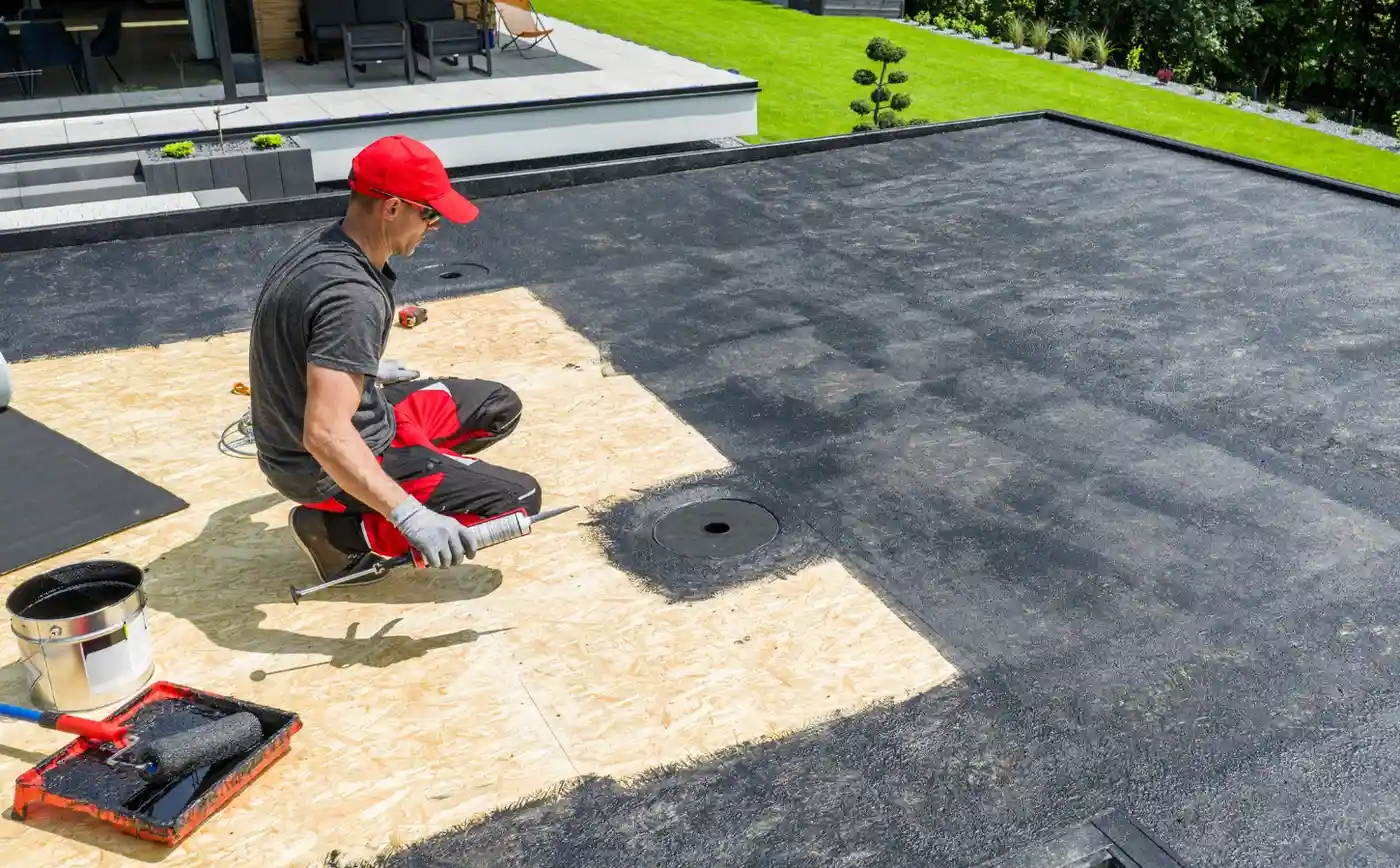
A professional commercial roof inspection goes far beyond a quick glance at the surface. It involves a systematic analysis of every component that keeps your building watertight. The inspection is broken down into critical zones to ensure no potential failure point is overlooked.
Membrane and Surface Analysis
The primary barrier against the elements is the roof membrane. Inspectors meticulously examine this layer for signs of degradation.
- Blistering and Ridging: Air or moisture trapped between plies or under the membrane causes blisters. Foot traffic can puncture these blisters, creating immediate leak sources.
- Alligatoring and Cracking: Especially common in built-up roofs or older asphalt-based systems, this indicates the surface has lost its elasticity due to UV exposure and is brittle.
- Puncture Damage: High-traffic areas around HVAC units often suffer from punctures caused by dropped tools or debris.
- Seam Integrity: For TPO, PVC, and EPDM single-ply systems, the seams are the most vulnerable points. Inspectors probe these seams to detect adhesion failure or wind uplift damage.
Flashing and Penetration Check
Most commercial roof leaks originate at penetrations rather than in the field of the roof. This phase focuses on the transition points.
- Parapet Walls and Coping: The metal cap (coping) on the parapet wall must be secure to prevent wind scour. Inspectors check the counter-flashing to ensure it has not pulled away from the masonry.
- HVAC Curbs and Pitch Pans: Mechanical units vibrate, which can loosen the flashing around the base. Pitch pans (sealant pockets) are checked for shrinkage or cracking that allows water entry.
- Vent Stacks and Skylights: These protrusions require tight seals. Over time, sealants dry out and crack, creating direct paths for water intrusion.
Drainage System Evaluation
Standing water is the enemy of any flat roof. If water remains on the roof for more than 48 hours, it is considered "ponding water," which voids many material warranties and accelerates deterioration.
- Internal Drains: Inspectors verify that strainers are present and clear of debris. They check the clamping ring to ensure the membrane is securely held in place.
- Scuppers and Downspouts: These are inspected for blockages and proper pitch. If a scupper is too high, water will not exit effectively.
- Slope Assessment: The roof is checked for low spots or sagging decking that contributes to ponding water.
Our Roof Inspection Process: From Start to Finish
We utilize a structured protocol to ensure consistency and accuracy in every report. This process provides property managers and building owners with actionable data.
- Pre-Inspection Consultation: The process begins with reviewing the roof's history. Understanding the age of the roof, previous repairs, and current leak locations helps the inspector focus their efforts.
- Safety and Access Setup: Commercial roofs require strict adherence to safety protocols. Inspectors establish perimeter warnings and secure ladder or hatch access before beginning the walk.
- Grid-Based Visual Inspection: Rather than wandering aimlessly, the roof is walked in a grid pattern. This ensures that every square foot of the surface area is visually assessed for defects.
- Core Cuts (If Necessary): If moisture saturation is suspected in the insulation, a small test cut (core sample) may be taken to verify the composition of the roof assembly and the extent of moisture intrusion. This is immediately patched and sealed.
- Reporting and Analysis: The final deliverable is a comprehensive report. This includes high-resolution photographs of all identified defects, a schematic drawing of the roof with defect locations mapped, and a graded assessment of the roof's overall condition.
Repair or Replace? A Guided Decision
One of the most difficult decisions for a facility manager is determining when a roof has reached the end of its useful life. An inspection provides the mathematical basis for this decision. We help you weigh the immediate costs against long-term value.
When to Repair
If the roof is generally sound but has localized issues, repair is the logical choice.
- Defects are localized: If damage is limited to less than 25% of the total roof area, targeted repairs are cost-effective.
- Insulation is dry: If the thermal layer underneath is not saturated, the foundation of the roof is still good.
- Membrane is flexible: If the material still holds up to a "bend test" without cracking, it likely has years of life left.
When to Replace
Sometimes, continuing to repair a failing roof is throwing good money after bad.
- Saturated Insulation: Wet insulation loses its R-value and degrades the roof deck. It cannot be dried out; it must be removed.
- Frequent Leaks: If you are chasing leaks after every rain event despite previous repairs, the system has likely failed.
- Age and Technology: If the roof is over 20 years old and consists of obsolete materials, upgrading to a modern, energy-efficient system often pays for itself through utility savings.
The Restoration Option
There is often a middle ground between repair and replacement. Design Roof Services LLC also evaluates roofs for restoration suitability.
- Fluid-Applied Coatings: If the seams are intact and the insulation is dry, a silicone or acrylic coating can extend the roof's life by 10 to 15 years.
- Reflectivity: Restoration adds a reflective white surface, significantly lowering cooling costs during hot months.
Understanding Roswell’s Roofing Standards and Seasonal Considerations
Operating in Southeast New Mexico requires specific attention to environmental factors that differ from other regions , visit our blog for local insights. The high elevation and semi-arid climate create a harsh environment for roofing materials.
Thermal Shock and UV Degradation
Roswell experiences wide temperature fluctuations. A roof surface can reach extreme temperatures during a summer day and cool rapidly when a thunderstorm rolls in or night falls. This rapid expansion and contraction creates "thermal shock," which pulls at seams and flashings. Materials must be chosen and inspected for their ability to withstand this movement without fatigue. Furthermore, the high UV index at this altitude accelerates the oxidation of asphalt and chemical breakdown of certain single-ply membranes. Regular inspections check for "chalking" or surface erosion caused by this radiation.
Permitting and Local Codes
Commercial roofing in Roswell is subject to specific building codes designed to ensure safety and energy efficiency.
- Wind Uplift Ratings: Because of the open terrain and potential for high winds during storms, roofing systems must meet specific wind uplift calculations. Inspections verify that edge metal and adhesion methods meet these standards.
- Drainage Requirements: Local codes strictly regulate how water is moved off the roof to prevent structural overloading. An inspection ensures that the number and size of drains meet the code requirements for the roof's square footage.
- Energy Codes: When considering replacement or major repairs, compliance with current energy conservation codes regarding insulation R-value and surface reflectivity is mandatory.
Seasonal Timing
The best times for inspection are spring and late autumn. A spring inspection identifies damage caused by winter cold snaps and prepares the roof for the summer monsoon season. An autumn inspection clears drains of debris and ensures the roof is sealed tight before colder temperatures arrive.
Why Choose Us: Our Commitment to Excellence in Roswell
Selecting the right partner for your commercial roof inspection determines the longevity of your building's defense system. We do not simply look for leaks; we look for the root causes of system failure.
- Detailed Documentation: You receive more than a checklist. You receive a strategic asset management tool that helps you budget for future capital expenditures.
- Non-Destructive Testing: Whenever possible, we utilize infrared thermography and moisture scanning to detect issues beneath the surface without damaging the membrane.
- Neutral Assessments: Our primary goal is to provide an honest evaluation of the roof's condition. If a repair will suffice, we will not push for a replacement.
- Safety Compliance: Our inspectors are trained in OSHA regulations, ensuring that all work performed on your property minimizes liability and adheres to the highest safety standards.
Protecting your commercial investment starts with knowing exactly what is happening above your head. Don't wait for water to disrupt your operations.
Take Action Before the Next Storm Hits
A clear understanding of your roof’s condition gives you the advantage of preparedness, cost control, and long-term asset protection. Proactive inspections allow issues to be addressed early, helping you avoid emergency disruptions while extending the functional life of your commercial roofing system. Partnering with Design Roof Services LLC ensures your property benefits from detailed evaluations, accurate reporting, and solutions designed specifically for Roswell’s demanding climate.
Secure your commercial property's future today. Contact Design Roof Services LLC to schedule your comprehensive roof assessment.

Customer Testimonials
Go With Experience