



Commercial Roof Inspection in Tatum, NM
Ensure your commercial roof in Tatum is secure with our professional inspections. Contact us for rapid service and start protecting your investment today.
Facing Roofing Emergencies? Quick, Reliable Inspections Here
If a recent storm has left your commercial roof damaged or you suspect any harm, prompt inspection can prevent further losses. We provide immediate and thorough roof inspections to safeguard your business in Tatum and the surrounding areas. Contact us today to schedule an assessment or discuss financing options.
- Rapid response team available 24/7 for emergency services.
- Detailed inspection reports to assist with insurance claims.
- End-to-end management from inspection to repair.
All services are guaranteed with compliance to local codes and permits, ensuring your peace of mind.
What to Expect From A Professional Commercial Roof Assessment
Commercial roofing systems are complex assets that require more than a casual glance to determine their true condition. A professional assessment digs deep into the structural and functional integrity of the roofing assembly. In Tatum, where environmental stressors can be harsh, the goal of an inspection is to identify vulnerabilities before they evolve into catastrophic failures. Business owners and facility managers receive a comprehensive audit that serves as a baseline for maintenance planning and asset management.
The scope of a commercial inspection covers every component of the roof system. This includes the roof membrane, insulation, decking, flashings, metal edges, and drainage systems. Inspectors look for signs of degradation that are not visible to the untrained eye, such as subsurface moisture, seam voids, or fastener back-out. The objective is to provide you with actionable data. You need to know exactly where your roof stands in its lifecycle and what immediate actions are required to maintain the warranty and protect the building’s interior.
A key component of this service is the evaluation of roof penetrations. HVAC units, skylights, vents, and piping are common sources of leaks because they interrupt the continuous membrane. Differential movement between the roof deck and these units often causes flashing to tear or separate. A thorough inspection verifies that all pitch pans are filled, counter-flashings are secure, and that there is no ponding water around these critical areas. By addressing these specific points, the inspection mitigates the risk of unexpected interior water damage that could halt business operations.
The Commercial Inspection Workflow
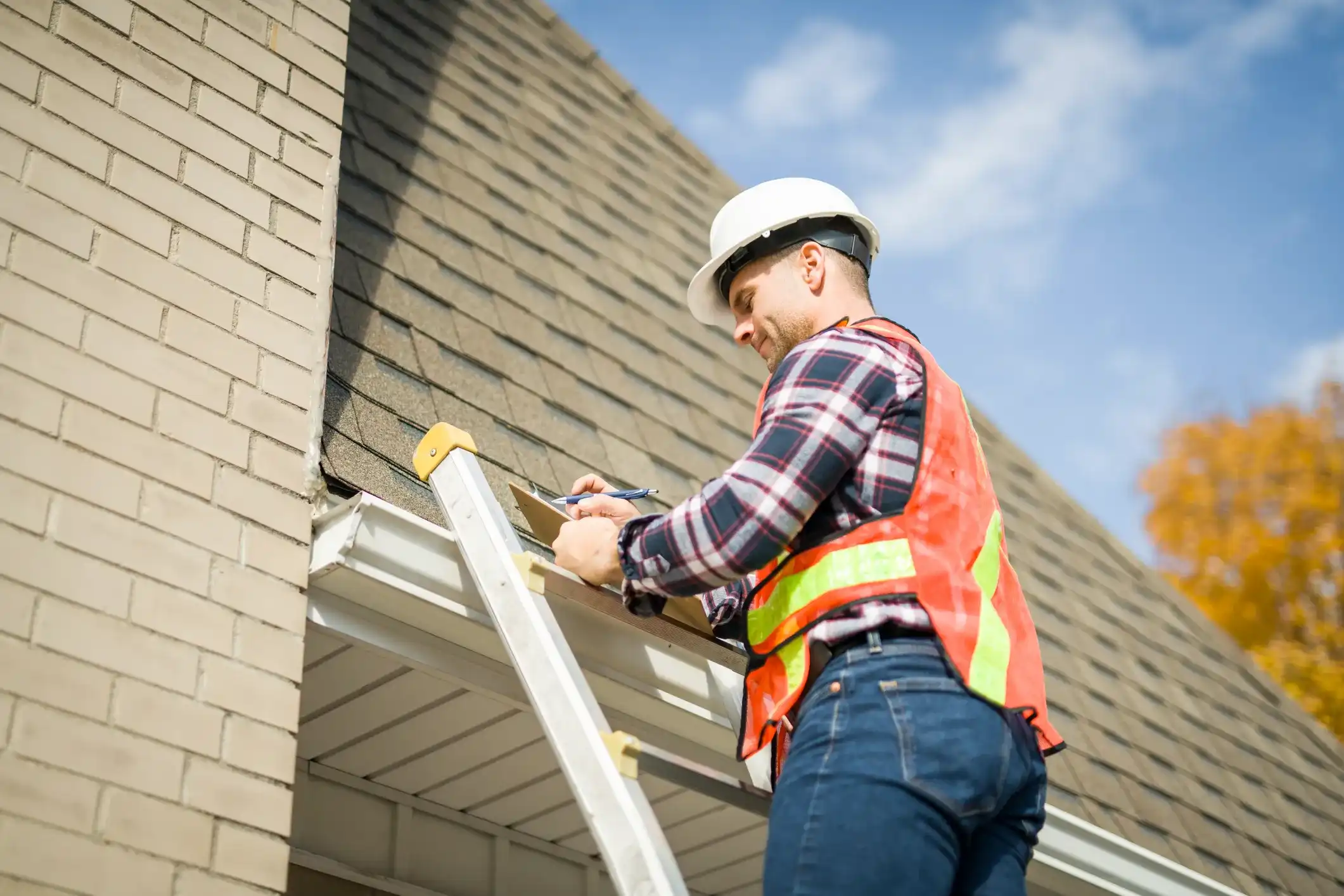
Understanding the condition of your facility’s roof requires a systematic approach. A standardized workflow ensures that no area is overlooked and that the resulting data is consistent and reliable. This process is designed to minimize disruption to your daily operations while gathering the necessary evidence to support repair recommendations or insurance claims.
Initial Consultation and History Review
The process begins with a review of the building’s history. The inspector examines previous maintenance records, warranty documents, and reports of active leaks. Understanding the age of the roof and the type of system installed—whether it is TPO, EPDM, Built-Up Roofing, or Metal—sets the stage for what specific defects to look for.
Interior Inspection
Before walking the roof, an inspection of the building’s interior is conducted. Stained ceiling tiles, rusted decking, or peeling paint on the underside of the roof deck provide clues to where water intrusion is occurring. These interior signs often map directly to exterior defects, helping the inspector isolate problem areas quickly.
Perimeter and Edge Metal Evaluation
The perimeter is the first line of defense against wind uplift. The inspection validates the security of coping caps, fascia, and gutters. Loose or deformed metal edges can lead to membrane peeling during high-wind events. Ensuring that the edge metal meets local code requirements is a critical safety step.
Field Membrane Analysis
The inspector walks the main field of the roof in a grid pattern. On single-ply roofs, this involves checking seams for adhesion failure and the membrane for punctures or UV cracking. On asphalt-based roofs, the focus shifts to checking for blisters, ridges, or bare spots where gravel has washed away. Design Roof Services LLC utilizes industry-standard techniques to verify that the field membrane remains watertight and adhered to the substrate.
Drainage System Check
Standing water is the enemy of any flat roof. The inspection ensures that drains, scuppers, and gutters are free of debris and flowing correctly. Inspectors look for "ponding water"—water that remains on the roof for more than 48 hours after rain—which can accelerate membrane deterioration and add dangerous structural weight.
Report Generation
The final step is the compilation of findings into a detailed report. This document includes photographic evidence of defects, a core analysis if insulation saturation is suspected, and a graded assessment of the roof’s condition. This report becomes your roadmap for making financial decisions regarding the property.
Determining When to Repair vs. Replace
One of the most difficult decisions a facility manager faces is whether to invest in repairs or authorize a full roof replacement. This decision affects capital expenditure budgets and tax liabilities. A professional inspection provides the empirical data needed to make this choice based on ROI rather than guesswork. The decision generally hinges on the extent of the damage, the age of the roof, and the status of the insulation.
Repair is typically the correct path when the roof is in the middle of its service life and the damage is localized. If inspections reveal that less than 25% of the roof area is compromised, restoration or targeted repairs are usually cost-effective. For example, if a TPO roof has a few open seams but the membrane is still flexible and the insulation is dry, heat-welding patches over the defects is a viable solution. This extends the life of the roof without the high cost and disruption of a tear-off. Furthermore, if the roof is under warranty, repairs must be conducted in a specific manner to maintain that coverage.
Replacement becomes necessary when the roofing system has exceeded its useful life or when the underlying insulation is saturated. Wet insulation loses its R-value, increasing energy costs, and can degrade the roof deck through corrosion or rot. If moisture surveys indicate widespread saturation (typically over 25-30% of the roof area), trapping that moisture under a new layer or a coating is not a solution; it is a liability. Additionally, if the roof has been repaired repeatedly and leaks persist, the cost of "chasing leaks" often exceeds the annualized cost of a new system. Replacing the roof offers the opportunity to upgrade insulation to current energy codes and secure a new long-term warranty (often 20 years or more).
Local Factors: Why Tatum’s Climate Demands Vigilance
Operating a commercial facility in Tatum involves dealing with specific environmental challenges that accelerate roof wear. The local climate is characterized by high summer temperatures often exceeding 90°F, combined with intense UV exposure. This ultraviolet radiation attacks the chemical bonds in roofing materials. Over time, TPO and EPDM membranes can chalk or shrink, while asphalt roofs may dry out and crack. A standard inspection schedule is insufficient here; roofs need to be checked specifically for UV-induced degradation to prevent premature failure.
Thermal shock is another critical factor in this region. The temperature swing between the heat of the day and the cool of the night causes roofing materials to expand and contract rapidly. This movement puts immense stress on seams, flashings, and termination bars. If the roof system does not have adequate flexibility or if fasteners have corroded, this thermal cycling will pull the roof apart at the seams. Inspectors in the area are trained to look for "tenting" at fasteners and separation at wall flashings, which are classic signs of thermal shock damage.
Storm season brings its own set of risks, including thunderstorms and potential hail. Even small hail can create micro-fractures in a roof membrane that may not leak immediately but will widen over time. In Tatum, compliance with local building codes regarding wind uplift and drainage is not optional. Ensuring your building meets these standards helps avoid fines and ensures that the structure can withstand the specific weather patterns of the High Plains. Professional inspections verify that your drainage systems can handle sudden, high-volume downpours common during summer storms, preventing structural loading issues.
Detailed Reporting for Insurance and Asset Management
The value of a commercial roof inspection lies heavily in the quality of the reporting. A verbal "it looks okay" is insufficient for commercial entities. You require documentation that stands up to scrutiny from insurance adjusters, bank lenders, and potential buyers. The inspection report serves as a legal record of the roof’s condition at a specific point in time.
In the event of storm damage, having a pre-storm inspection report is invaluable. It establishes the pre-loss condition of the roof, making it much harder for an insurance carrier to deny a claim based on "pre-existing wear and tear." When damage occurs, the post-storm inspection report details the specific extent of storm-related issues versus maintenance issues. This distinction is crucial for maximizing your insurance claim settlement. The report breaks down the linear footage of damaged flashing, the square footage of bruised membrane, and the cost of bringing the system back to code.
Beyond insurance, these reports are vital for capital planning. They categorize deficiencies by urgency—immediate safety hazards, near-term maintenance needs, and long-term capital projects. This allows you to forecast budgets accurately for the next one to five years. Instead of being blindsided by a massive replacement bill, you can plan for it, potentially utilizing different tax years or financing vehicles to manage the cash flow. The report acts as a strategic tool, transforming the roof from a liability into a managed asset.
Verifying Compliance and Professional Standards
Partnering with a legitimate service provider is essential for liability management. Commercial roofing work in New Mexico requires adherence to strict licensing and safety regulations. Unauthorized or unpermitted work can void manufacturer warranties and lead to issues when selling or refinancing the property. A professional inspection confirms that previous repairs were done to code and identifies any non-compliant work that could pose a risk.
Legitimate providers carry general liability and workers' compensation insurance. This protects the building owner from lawsuits in the event of an accident during the inspection or subsequent repair. When an inspector accesses your roof, they should be following OSHA safety protocols, including ladder safety and fall protection measures. This professionalism extends to the tools used—infrared scanners for moisture detection and non-destructive testing equipment—ensuring the roof is evaluated without causing damage during the process.
Ultimately, the goal is to secure the longevity of the commercial structure. Design Roof Services LLC focuses on providing clarity and technical expertise. By identifying problems early, ensuring code compliance, and providing data-driven recommendations, the lifespan of the roof is maximized. Whether the solution is a simple repair plan or a comprehensive replacement strategy, the path forward is based on facts and engineered solutions.
Call Now
Protect your commercial investment with an inspection that goes beyond the surface. Secure your facility against weather, liability, and unexpected costs.
Contact us today to schedule your comprehensive commercial roof inspection.

Customer Testimonials
Go With Experience