




Flat Roof Replacement in Tatum, NM
Discover top-tier flat roof repair and replacement services in Tatum, NM. Ensure your property is secure and energy-efficient with Design Roof Services LLC. Certified and insured for your peace of mind.
Immediate Roofing Aid: Flat Roof Problems Solved
Struggling with a damaged or outdated flat roof in Tatum, NM, requires effective, fast solutions that cater to the unique climate, so Contact us today to schedule your comprehensive inspection or discuss available financing options. Design Roof Services LLC provides the expertise required to secure your commercial or residential property against the elements.
- Same-day assessment and start on repairs or replacement as needed.
- Comprehensive warranty covers all work and materials.
- Financing available to ensure quality roofing is accessible to you.
Licensed and insured, with full adherence to local codes for your peace of mind.
When Should You Consider Flat Roof Replacement?
Flat roofing systems are designed for durability and efficiency, but they have a distinct lifespan that is heavily influenced by the high-desert environment. Knowing exactly when to transition from specialized repairs to a full replacement saves money on structural remediation later. The intense UV exposure and distinct temperature fluctuations in this region degrade roofing membranes over time, leading to specific failure points that signal a system has reached the end of its service life.
Ponding water is the primary indicator that a flat roof structure has been compromised. While flat roofs are not perfectly level—they have a slight pitch for drainage—water should evaporate or drain within 48 hours of rainfall. If water remains standing on your roof longer than two days, the structural deck may be sagging, or the insulation underneath has become saturated and compressed. This issue rarely resolves with simple patching because the underlying structure has shifted.
Blistering and "alligatoring" of the surface membrane are also critical signs. Alligatoring resembles cracked, dry mud and indicates that the sun has dried out the elastic components of an asphalt-based or modified bitumen roof. Once these cracks appear, water can easily penetrate the system during the next storm. Similarly, blisters—bubbles that form under the membrane—indicate that moisture is already trapped inside the system or that gases are expanding due to heat. Popping these blisters breaks the seal, while leaving them alone risks further delamination.
Separation at the seams and flashings requires immediate attention. Flat roofs rely on a continuous, watertight seal. As the roof expands and contracts with the changing seasons, seams can pull apart. If you notice gaps at the corners, around HVAC units, or along the parapet walls, the system is no longer watertight. When these failures occur across multiple areas of the roof, replacement is the only method to guarantee a leak-free environment.
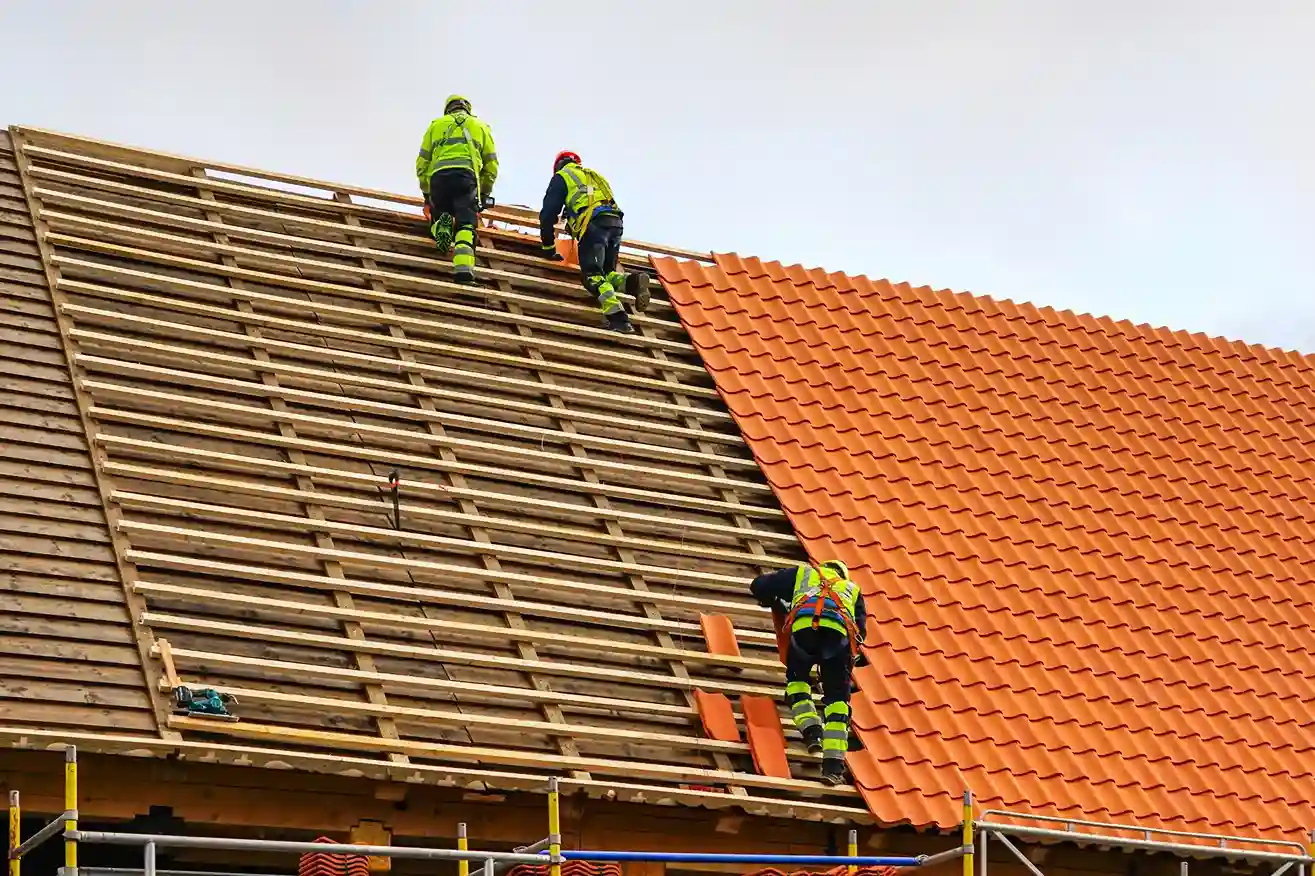
What You Get Today: Speed, Reliability, Protection
Investing in a modern flat roof replacement offers immediate benefits beyond simply stopping leaks. Current roofing technologies provide superior energy efficiency, which is vital for managing cooling costs during hot summers. Modern materials like TPO (Thermoplastic Polyolefin), EPDM (Ethylene Propylene Diene Monomer), and PVC are designed with high reflectivity. By reflecting solar heat away from the building rather than absorbing it, these materials reduce the thermal load on your air conditioning systems, leading to lower energy bills immediately after installation.
Reliability comes from advanced installation techniques and better materials. Older built-up roofing (BUR) systems relied on layers of tar and gravel that could become brittle. New single-ply membrane systems are flexible and resistant to tears and punctures. They are engineered to withstand foot traffic from maintenance crews and the impact of hail or debris. Furthermore, modern insulation boards installed beneath the membrane provide higher R-values, ensuring that the interior temperature remains stable regardless of the weather outside.
Protection extends to the warranty coverage available with a full replacement. Unlike repairs, which typically carry limited guarantees on the specific patch, a new roof installation comes with manufacturer warranties on the material and labor warranties from the contractor. This coverage creates a safety net for your investment, ensuring that any material defects or installation anomalies are corrected without additional cost to you.
Installing Your New Flat Roof: Step-by-Step Process
A professional flat roof replacement is a systematic process involving demolition, preparation, and precision installation. Understanding this workflow helps you prepare for the project and ensures transparency regarding the work being performed on your property.
Site Preparation and Safety Setup
The process begins with securing the perimeter to protect pedestrians and landscaping. Dumpsters are positioned for debris removal, and tarps are placed to catch falling granules or dust. Safety barriers and warning lines are installed on the roof to ensure the safety of the crew in compliance with OSHA regulations.
Tear-Off and Deck Inspection
The existing roofing material is removed down to the structural deck. This step is non-negotiable for a quality installation because it allows the crew to inspect the wood, steel, or concrete deck for rot, rust, or damage. Any compromised decking is replaced to ensure a solid foundation for the new roof. Leaving old, wet insulation in place would only trap moisture and degrade the new system from the bottom up.
Insulation and Cover Board Installation
Once the deck is clean and primed, high-density ISO (polyisocyanurate) insulation boards are mechanically fastened or adhered to the deck. These boards provide the necessary thermal resistance. A cover board is often added on top of the insulation to provide a hard, durable surface that protects the soft insulation from hail damage and foot traffic.
Membrane Installation
Design Roof Services LLC installs the selected roofing membrane (TPO, EPDM, or Modified Bitumen) over the prepared substrate. For single-ply systems, the rolls are laid out and allowed to relax. The membrane is then adhered, mechanically attached, or heat-welded depending on the specific product and wind-uplift requirements. Heat-welding the seams creates a monolithic surface where the seams become stronger than the sheet itself.
Flashing and Detail Work
The most critical part of the installation involves sealing the penetrations. Flashings are custom-fabricated and installed around vents, skylights, HVAC curbs, and plumbing stacks. This is where leaks are most likely to occur if workmanship is poor, so attention to detail is paramount here. Parapet walls are covered with membrane, and metal coping caps are installed to seal the top of the walls.
Cleanup and Final Inspection
All debris, nails, and old materials are removed from the site. A final walkthrough is conducted to probe seams, check flashings, and ensure proper drainage. Only after this rigorous quality control process is the job considered complete.
Deciding Between Flat Roof Replacement and Repair: What You Need to Know
Making the financial decision between repairing a leak and replacing the entire roof involves analyzing the roof’s age, the extent of the damage, and the long-term costs.
The 25% Damage Rule
If more than 25% of the roof’s surface is damaged, blistering, or holding water, replacement is generally more cost-effective. Chasing leaks on a roof with widespread failure results in a cycle of constant repairs that eventually cost more than a new system. If the insulation beneath the membrane is saturated in multiple areas, repairs will not hold because the moisture will prevent patches from adhering properly.
Age and Material Condition
Most flat roofing systems have a life expectancy of 20 to 25 years. If your roof is approaching or has surpassed this age, the material has likely become brittle and lost its elasticity. Repairing a roof at the end of its life is often a temporary fix; as soon as one leak is patched, the stress of the repair work often causes a crack in the adjacent, brittle membrane. Replacement resets the clock and provides a warranty that an old roof cannot offer.
Future Plans for the Property
Consider your long-term goals for the building. If you plan to sell the property in Tatum soon, a new roof increases property value and removes a major negotiation hurdle during inspections. If you plan to hold the property for decades, a replacement offers energy savings and reduced maintenance costs that provide a return on investment over time. However, if the roof is relatively new (under 10 years old) and the damage is localized to a specific puncture or flashing error, a professional repair is the logical and economical choice.
Local Compliance and Seasonal Guidance for Tatum
Roofing work in Tatum, NM, must adhere to specific regional considerations and regulatory standards to ensure the longevity of the installation and the safety of the occupants.
Building Codes and Permitting
Replacements often require a building permit to ensure the work meets local building codes and international fire and energy standards. This includes verifying that the new roof structure can handle the dead load of the materials and the live load of potential snow or maintenance workers. Proper drainage slope requirements are also strictly enforced to prevent water accumulation that can lead to collapse.
Monsoon Season Considerations
The region experiences a distinct monsoon season, typically from June through September, characterized by sudden, heavy downpours. Scheduling a roof replacement requires navigating these weather patterns. A professional team monitors forecasts closely to ensure the roof is never left exposed to rain during the tear-off phase. Ideally, replacements are scheduled during the drier spring or fall months, but emergency replacements during the rainy season are managed by working in smaller sections that can be sealed completely at the end of each workday.
Thermal Shock and Material Selection
The high-desert climate creates wide temperature swings between day and night. This causes "thermal shock," where roofing materials expand and contract rapidly. Materials selected for this area must have high elongation properties to handle this movement without splitting. Additionally, proper ventilation (if applicable to the specific roof design) helps regulate temperature differences and prevent condensation buildup under the membrane during colder winter nights.
Why Choose Us: Our Commitments to Tatum Roofing Customers
Selecting a contractor for a flat roof replacement is a decision that impacts the security of your property for decades. We prioritize technical precision, operational transparency, and adherence to timelines.
Technical Expertise
Flat roofing requires a different skillset than steep-slope residential roofing. Our crews are specifically trained in the application of low-slope membranes. We understand the chemistry of adhesives, the calibration of heat welders, and the physics of water drainage. We do not use generalists; we use specialists who understand the specific challenges of commercial and flat residential roofing systems.
Transparent Communication
You receive a detailed scope of work before the project begins. There are no hidden fees or surprise charges. If unforeseen structural damage is discovered during the tear-off (such as rotted decking), we stop, document the issue with photos, and present a clear change order for approval before proceeding. You are kept informed of the project's status, weather delays, and completion timelines.
Clean and Safe Job Sites
We respect your property and your neighbors. Roofing projects create debris, but we manage it proactively. Our teams perform daily cleanups to remove nails, metal scraps, and packaging. We protect your landscaping and driveways from dumpsters and heavy equipment. We aim to leave the site cleaner than we found it.
Warranty and Post-Installation Support
Our relationship does not end when the truck drives away. We stand behind our installations with robust warranties. Should any issues arise, we are a local presence, ready to respond quickly. We provide guidance on maintenance to help you extend the life of your new roof and maximize your investment.
Protect Your Property Before the Next Storm
If your flat roof is showing signs of age or failure, do not wait for the next storm to cause interior damage. Secure your property with a durable, energy-efficient replacement designed for the New Mexico climate. Contact us today to schedule your professional assessment and take the first step toward a watertight future.

Customer Testimonials
Go With Experience