



Storm Damage Repair in Tatum, NM
Get rapid, professional storm damage repair in Tatum, NM. Contact us for immediate assessment and restoration services. Secure your home now!
Immediate Help for Storm Damage in Your Area
Facing sudden storm damage can be overwhelming, especially when your home’s safety is compromised by high winds or heavy hail. Our rapid-response team is ready 24/7 to restore your property in Tatum, NM, efficiently and correctly; Contact us immediately to secure your home.
When severe weather strikes, the window to prevent secondary damage is incredibly narrow. Water intrusion, structural weakening, and exposure to the elements require professional intervention instantly, not days later. We provide a streamlined path from disaster to restoration.
- Quick on-site arrival to assess the severity of the damage and implement safety measures.
- Comprehensive damage assessment followed by immediate emergency tarping to prevent water entry.
- Direct coordination with insurance companies to ensure your claim is accurate and the process is stress-free.
- Licensed, insured, and bonded—with full warranty on all repair work.
What You Get With Emergency Storm Repair
When you engage professional repair services after a weather event, you are looking for more than just a patch; you need a comprehensive solution that secures the building envelope. The immediate priority is stabilization. Upon arrival, the focus shifts to stopping active leaks and identifying safety hazards that could pose a risk to occupants. In the semi-arid climate of this region, where sudden downpours can follow periods of intense heat, protecting the underlayment is critical.
The scope of work generally begins with emergency mitigation. This includes the installation of heavy-duty tarps or shrink-wrap systems that act as a temporary roof. This barrier is essential for protecting the interior of the home—drywall, insulation, and electrical systems—from sustaining water damage while a permanent plan is developed. Debris removal is also included in the initial phase. High winds often deposit tree limbs or scatter roofing materials across the property; clearing this allows for a safe and accurate inspection.
Following mitigation, you receive a detailed forensic inspection. Storm damage is not always visible from the ground. Issues like micro-fractures in shingles, bruised metal panels, or lifted flashing require close-up analysis. You get a documented report of every impact point, wind-lifted section, and seal failure. This documentation is vital for filing an accurate insurance claim, as it connects the specific weather event to the damage on the roof.
The service also includes matching materials for repairs. If only a section of the roof is damaged, sourcing shingles or tiles that match the existing aesthetic and wear level is necessary to maintain curb appeal and property value. Whether dealing with asphalt composition shingles, metal roofing, or tile, the goal is a seamless integration of new materials with the old.
How the Repair and Restoration Process Works
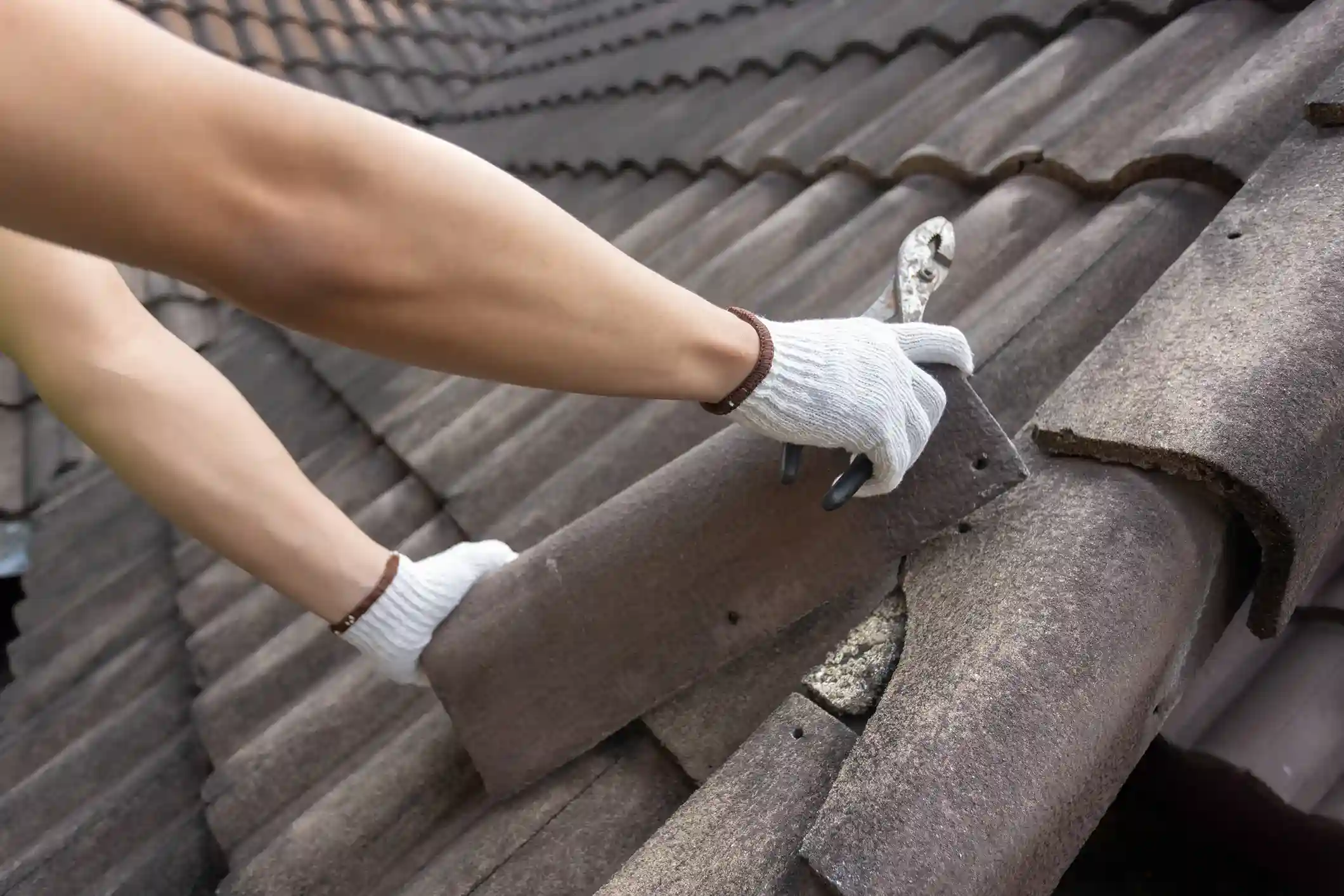
Navigating the aftermath of a storm involves a specific sequence of technical steps to ensure the home is returned to its pre-storm condition or better. We handle the logistics, labor, and technical requirements so you do not have to manage multiple contractors.
Initial Inspection and Stabilization
First, a qualified inspector evaluates the roof, siding, and gutters. This is not a cursory glance; it involves checking for "bruising" on shingles caused by hail and testing the adhesion of shingles that may have been loosened by wind. If the roof is compromised, immediate temporary waterproofing is applied.
Insurance Advocacy and Documentation
Next, Design Roof Services LLC assists in the claims process. We utilize industry-standard software to generate estimates that align with insurance carrier requirements. We meet with the insurance adjuster on-site to ensure they see the full extent of the damage, advocating for a fair assessment that covers all necessary code upgrades and material costs.
Material Selection and Permitting
Once the scope is approved, the project moves to material selection. You choose the specific products and colors for the repair or replacement. Simultaneously, we pull all necessary building permits required by local regulations to ensure the work is compliant with current codes.
Demolition and Preparation
The crew arrives to remove damaged materials. This step is handled with care to protect landscaping and driveways. Old shingles, damaged decking, and bent flashing are stripped away to expose the substrate. The deck is then inspected for rot or structural issues that were previously hidden.
Installation of Systems
Technicians install the new roofing system. This begins with ice and water shields in valleys and penetrations, followed by synthetic underlayment. New drip edges and flashing are installed to prevent water migration. Finally, the surface material (shingles, metal, or tile) is installed according to manufacturer specifications to ensure warranty validity.
Site Cleanup and Final Inspection
Finally, the site is cleared of all nails and debris using magnetic sweeps. A final quality control inspection is conducted to verify that every nail is properly placed, flashing is sealed, and the site is spotless. Only then is the project considered complete.
When Replacement Beats Repair
Deciding between a targeted repair and a full roof replacement is a critical financial and structural decision. While repairs are suitable for isolated damage, there are specific thresholds where replacement becomes the only viable option for long-term security.
The 30% Damage Rule
In many cases, if more than 30% of the roof surface has sustained damage, a full replacement is more cost-effective. Patching a large percentage of the roof creates multiple "tie-in" points—seams between old and new materials—which are essentially weak points prone to future leaks. If a storm has peppered every slope with hail hits or wind has unsealed shingles on multiple facets, a complete system replacement ensures uniform protection.
Age and Brittle Test Results
Roofing materials lose flexibility as they age, particularly in environments with high UV exposure. If your shingles are nearing the end of their lifespan (typically 15-20 years for standard asphalt), they may be too brittle to repair. A "brittle test" involves lifting a shingle tab; if it cracks or breaks rather than flexing, repair is impossible because the surrounding shingles will be damaged during the process of weaving in new ones. In this scenario, replacement is mandatory.
Underlying Structural Issues
Sometimes storm damage reveals deeper issues, such as widespread decking rot or inadequate ventilation that has cooked the shingles from the bottom up. If the storm damage has allowed water to saturate the decking over a large area, or if the initial installation lacked proper ice and water shields, simply replacing the top layer of shingles is a band-aid on a broken leg. Replacement allows for the correction of these substrate issues, ensuring the new roof performs correctly.
Discontinued Materials
If your existing roofing material has been discontinued, achieving a proper match for a repair may be impossible. While some homeowners accept a mismatch, insurance policies often have "line of sight" or matching clauses that justify a full replacement if a reasonable match cannot be found. This protects the market value of the home.
Local Factors Affecting Storm Repair
Repairing storm damage in Tatum requires understanding the specific environmental challenges and regulatory landscape of the area. The local climate and building codes dictate how repairs must be executed to ensure longevity.
Thermal Cycling and Material Expansion
The region experiences significant temperature fluctuations, often swinging from highs in the 90s or 100s down to much cooler temperatures at night. This thermal cycling causes rapid expansion and contraction of roofing materials. Repairs must use high-quality sealants and flexible materials that can withstand this movement without cracking. Rigid repairs on an expanding roof will fail prematurely.
High Wind Resistance Requirements
Wind is a constant factor in the open plains. Roofing systems here must be rated for high wind uplift. This often means using six-nail patterns for shingles rather than the standard four, and ensuring that metal roofing fasteners are spaced more closely. Emergency repairs must be aerodynamically secure to prevent the temporary fix from blowing away before permanent work begins.
Semi-Arid Precipitation Patterns
While annual precipitation is low (12-16 inches), it often comes in short, violent bursts during late spring and early summer. Storm drainage systems, including gutters and downspouts, must be sized correctly to handle rapid water volume. Storm damage repairs often involve upgrading these drainage components to prevent water from backing up under the eaves.
Permitting and Code Compliance
All significant structural repairs and reroofing projects typically require permits. Compliance with New Mexico’s construction industries division codes is mandatory. This includes adherence to specific insulation requirements and ice barrier codes. Failing to pull permits can result in work stoppages, fines, and issues when selling the home later. Professional contractors manage this bureaucracy to ensure the project is legal and documented.
Why Professional Execution Matters
Choosing the right partner for storm damage recovery effectively determines the future resilience of your home. The difference between a restored roof and a recurring headache lies in the technical execution of the details. We focus on the science of roofing—ventilation, weight distribution, and water management—rather than just the aesthetics.
High-quality restoration requires fluency in insurance language and construction standards simultaneously. A contractor must be able to articulate why a specific flashing detail requires total replacement rather than re-sealing to an adjuster who may be looking to minimize payout. This advocacy ensures that the settlement covers the true cost of a quality repair.
Furthermore, safety during the repair process is paramount. Storm-damaged roofs are unstable environments. Loose granules create slippery surfaces, and compromised decking can collapse under foot traffic. Professional crews utilize safety harnesses, ridge anchors, and proper staging equipment to execute repairs without incident.
Warranty integrity is the final piece of the puzzle. Manufacturer warranties are strictly tied to installation techniques. If a repair is performed incorrectly—using the wrong length nails, improper temperature settings for sealants, or incorrect layering—the warranty is voided. Professional installation guarantees that the materials are backed by the manufacturer, providing peace of mind for decades.
Secure Your Property Now
Don't let storm damage fester into a structural crisis. Quick action saves money, protects your interior, and simplifies the insurance process.
Contact Design Roof Services LLC today for your emergency inspection.

Customer Testimonials
Go With Experience