



Commercial Roof Replacement in Artesia, NM
Protect your Artesia business with expert commercial roofing solutions. Choose Design Roof Services LLC for professional roof replacement services. Contact us today!
Combatting Weather Damage and Energy Loss with Strategic Commercial Roofing Solutions
Facing the brutal summer heat or winter cold in Artesia can take a toll on your commercial roofing, leading to skyrocketing energy bills and structural risks. Ensure your business is protected with professional, reliable roof replacement services that prioritize longevity and building efficiency; contact us today or ask about our financing options to get started. Design Roof Services LLC provides the technical expertise required to secure your facility against the elements.
- Expert assessment to ensure you get the right solution, save on energy and maintenance costs immediately.
- Quick, professional installation that minimizes downtime and disruption to your daily business operations.
- Durable roofing solutions optimized for the local high-desert climate, ensuring longevity and performance.
All installations come with comprehensive warranties and comply with local building codes to ensure your investment is fully protected.
Comprehensive Commercial Re-Roofing Scope and Material Selection
When you commit to a commercial roof replacement, you are investing in the primary defense system of your building. In the Artesia area, where temperatures frequently exceed 90°F in July and fluctuate significantly during winter, the materials selected must withstand intense UV radiation, thermal shock, and the sudden deluges associated with the monsoon season. A full replacement service goes beyond merely laying down a new layer; it involves a holistic approach to building envelope performance, read our blog for more insights.
A comprehensive replacement project encompasses the removal of existing compromised layers, inspection of the structural deck, and the installation of a new, high-performance roofing system. This process ensures that underlying issues, such as saturated insulation or rusted decking, are addressed before they cause further damage. The scope of work typically includes:
- Detailed Structural Analysis: Before materials are ordered, a thorough inspection determines the condition of the underlying deck (steel, concrete, or wood). This step identifies load-bearing capacities and any areas requiring structural remediation.
- Insulation and R-Value Optimization: Commercial energy codes are becoming stricter. Replacing a roof is the ideal time to upgrade polyisocyanurate (polyiso) insulation layers to meet or exceed current R-value requirements. This directly impacts HVAC efficiency, keeping cooling costs down during New Mexico’s hot summers.
- Tapered Insulation Systems: For flat or low-slope roofs, standing water (ponding) is a major enemy. A comprehensive installation includes the design and installation of a tapered insulation system to create positive drainage, directing water efficiently toward scuppers and internal drains.
- Membrane Selection: Based on the building's specific needs, the appropriate membrane, such as TPO (Thermoplastic Polyolefin), EPDM (Ethylene Propylene Diene Monomer), or PVC (Polyvinyl Chloride), is selected. TPO is particularly popular in this region for its white, reflective surface which repels UV rays and reduces heat absorption.
- Metal Roofing Options: For steep-slope commercial applications or specific aesthetic requirements, standing seam metal roofing offers exceptional durability against wind uplift and fire risks.
The Commercial Installation Process: From Tear-Off to Final Inspection
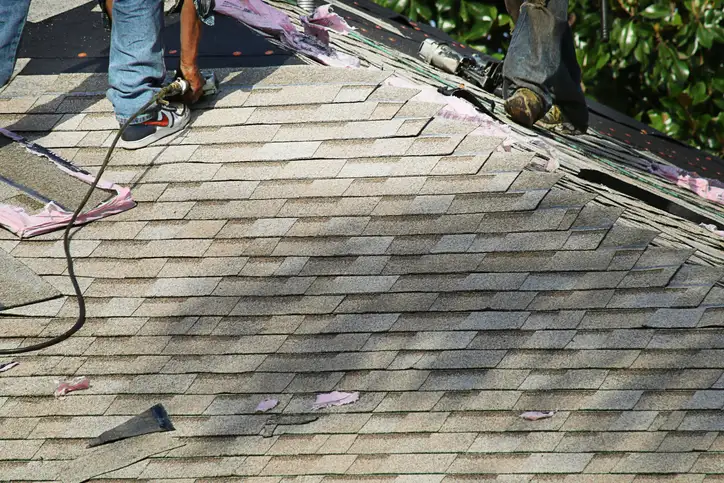
Minimizing disruption to your business operations is a priority during a roof replacement. The process is executed in a phased, systematic manner to ensure safety, weather-tightness at the end of every work day, and efficiency. Understanding the specific steps involved helps facility managers prepare for the project and manage internal expectations:
- Site Staging and Safety Setup: The project begins with establishing a perimeter and staging area. Cranes or conveyors are positioned to load materials onto the roof. Safety rails and warning lines are installed to comply with OSHA regulations, protecting both the roofing crew and your employees or customers below.
- Demolition and Substrate Preparation: The old roofing system is removed down to the deck. This is a critical phase where hidden damage is often revealed. Any deteriorated decking is replaced to ensure a solid substrate for the new system. The surface is then cleaned and primed to ensure proper adhesion of the new materials.
- Insulation and Cover Board Installation: Layers of rigid insulation are mechanically attached or adhered to the deck. A high-density cover board is often added on top of the insulation. This cover board provides a robust surface that protects the insulation from foot traffic, hail impact, and punctures, significantly extending the life of the roof.
- Membrane Application: The waterproofing membrane is installed. For single-ply systems like TPO, rolls are rolled out and the seams are hot-air welded. This welding process creates a monolithic bond stronger than the membrane itself, making it impervious to water intrusion. In the case of modified bitumen, sheets may be torch-applied or set in hot asphalt depending on the specific system design.
- Flashing and Detail Work: Roof failures most often occur at penetrations and perimeters. Special attention is paid to flashing around HVAC units, vents, skylights, and parapet walls. Prefabricated accessories and custom-fabricated metal flashings are installed to seal these vulnerable points against wind-driven rain.
- Clean-Up and Quality Control: Once the roof is installed, a final site cleanup involves magnetic sweeps to remove nails or metal debris from parking areas. A technical inspection is conducted to probe seams and verify that all installation details meet manufacturer specifications for warranty issuance.
Critical Decision Factors: Repair vs. Replacement
Determining whether to repair an existing roof or opt for a full replacement is a financial and operational decision that requires careful analysis of the roof’s history and current condition. While repairs can extend the life of a roof temporarily, there is a tipping point where replacement becomes the more improved economic choice. Design Roof Services LLC helps building owners navigate this decision using data-driven criteria and consider roof restoration options:
- Moisture Saturation: If moisture scans indicate that more than 25% of the underlying insulation is saturated, replacement is usually necessary. Wet insulation loses its R-value, contributes to energy loss, and can degrade the roof deck from the inside out. Trapped moisture also leads to mold growth, which can impact indoor air quality.
- Frequency and Cost of Leaks: When leak calls become a monthly occurrence, the cumulative cost of emergency repairs often outpaces the annualized cost of a new roof. If you are spending significant budget on reactive maintenance, often referred to as "chasing leaks", it is time to invest in a permanent solution.
- Membrane Condition: Look for signs of advanced aging. In asphalt-based roofs, this looks like extensive alligatoring (cracking) or blistering. In single-ply membranes, check for scrim exposure (where the internal reinforcement mesh is visible) or widespread seam failure. Once the chemical composition of the membrane degrades, patch repairs will no longer bond effectively.
- Asset Strategy: Consider the long-term plan for the building. If the plan is to hold the property for decades, a new roof with a 20-year NDL (No Dollar Limit) warranty adds value and predictability to capital expenditure forecasts. If the roof has exceeded its expected service life (typically 20 years for most commercial systems), replacement prevents catastrophic failure.
Navigating Local Regulations and Environmental Factors
Operating in Artesia requires specific attention to local building codes and environmental stressors unique to New Mexico. A successful roofing project must account for these variables to ensure compliance and durability:
- Thermal Cycling and Expansion: The desert climate involves hot days and significantly cooler nights. This temperature fluctuation causes roofing materials to expand and contract. If the roofing system is not designed with appropriate expansion joints or flexible membranes, this movement can tear seams and pull flashings away from walls.
- Wind Uplift Ratings: Commercial roofs must meet specific wind uplift requirements. This is calculated based on the building’s height, location, and exposure. Fastening patterns for insulation and membranes must be engineered to resist the negative pressure created by high winds, preventing the roof from peeling off during storms.
- Permitting and Code Compliance: Commercial roof replacements are significant construction projects that require proper permitting from the City of Artesia or Eddy County. This ensures that the new roof meets current energy codes (IECC) and fire safety standards. Professional contractors handle the submission of drawings and specifications to local authorities to secure necessary permits before work begins.
- Drainage Management: While the region is arid, rain events can be intense. Flat roofs must have adequate drainage capacity to prevent structural overload. Secondary drainage systems (overflow scuppers) are often required by code to ensure that if primary drains clog, water can still exit the roof safely, preventing collapse.
Why Technical Precision Matters in Commercial Roofing
In the commercial sector, the roof is a functional asset that protects inventory, equipment, and personnel. The difference between a roof that lasts 10 years and one that lasts 25 years often comes down to the quality of the installation details.
- Seam Integrity: In single-ply roofing, the seam is the critical barrier. Robotic welders are used to ensure consistent temperature and speed during the welding process, creating a bond that is verified with test cuts. Hand-welding is reserved for intricate detail work where precision is paramount.
- Perimeter Securement: The roof perimeter experiences the highest wind loads. Using heavy-gauge metal coping and securement cleats ensures that the edge metal remains static during high winds, protecting the membrane edge from lifting.
- Manufacturer Certification: Top-tier installations are performed by contractors certified by major material manufacturers. This certification allows the contractor to offer extended manufacturer warranties that cover both material and labor, providing an extra layer of security for the building owner.
Secure Your Facility with Expert Roofing Services
A failing roof is a liability that threatens your business continuity and bottom line. Delaying replacement often results in more extensive damage to the building structure and interior assets. By choosing a professional replacement service, you secure a watertight, energy-efficient future for your property.
Design Roof Services LLC delivers the expertise and diligent execution required for complex commercial roofing projects. From the initial tear-off to the final warranty inspection, every step is managed to ensure minimal disruption and maximum performance.
Don't wait for the next storm to reveal the weaknesses in your roof. Contact us immediately to schedule a comprehensive roof assessment and receive a detailed proposal for your commercial roof replacement. Schedule service today.

Customer Testimonials
Go With Experience